Why Air Quality Matters: Health, Pollution, and What You Can Do
“`html
Understanding Air Quality: What It Means for Your Health and Environment
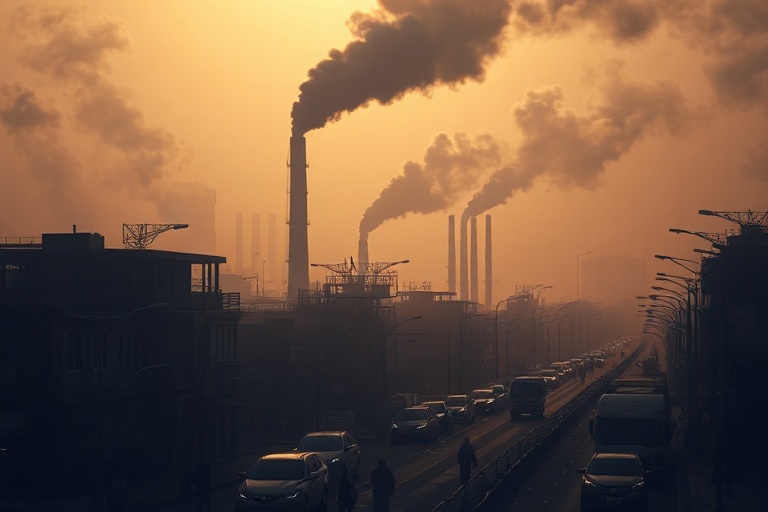
The quality of the air we breathe has become one of the most pressing environmental concerns of our time. While invisible, its impact is undeniable—affecting respiratory health, urban ecosystems, and even global climate patterns. From the smog-choked skylines of major cities to the wildfire smoke drifting across continents, air quality is no longer a distant problem but a daily reality for millions.
Recent studies show that over 90% of the world’s population lives in areas where air pollution exceeds World Health Organization guidelines. This silent crisis demands attention, not just from policymakers and scientists, but from individuals who want to understand their exposure and take meaningful action. The conversation around air quality extends beyond environmental activism—it touches on public health, urban planning, and personal lifestyle choices.
The Science Behind Air Quality: Pollutants and Their Effects
Air quality is determined by the concentration of pollutants in the atmosphere. These pollutants come from both natural and human-made sources, including vehicle emissions, industrial facilities, wildfires, and even dust storms. The most common and harmful pollutants include:
- Particulate Matter (PM2.5 and PM10): Tiny particles or droplets in the air that can penetrate deep into the lungs and even enter the bloodstream. PM2.5, particles smaller than 2.5 micrometers, are particularly dangerous because they can bypass the body’s defenses.
- Nitrogen Dioxide (NO₂): A gas primarily emitted by vehicle exhaust and power plants. Long-term exposure is linked to respiratory diseases and can exacerbate asthma in children.
- Ozone (O₃): A reactive gas formed when pollutants from cars, factories, and chemicals react in sunlight. Ground-level ozone can damage lung tissue and reduce lung function.
- Sulfur Dioxide (SO₂): Released mainly from burning fossil fuels, SO₂ contributes to acid rain and can cause respiratory distress, especially in people with pre-existing conditions.
Exposure to these pollutants has been correlated with a range of health issues, from short-term irritation of the eyes and throat to long-term conditions like heart disease, stroke, and lung cancer. Children, the elderly, and those with pre-existing health conditions are particularly vulnerable. According to the Health section on Dave’s Locker, air pollution is now considered the fifth-largest global risk factor for mortality, responsible for an estimated 7 million premature deaths annually.
How Air Quality Is Measured and Reported
Tracking air quality requires sophisticated tools and standardized reporting systems. Governments and environmental agencies use a network of monitoring stations equipped with sensors that measure pollutant levels in real time. These readings are then converted into an Air Quality Index (AQI), a color-coded scale that helps the public understand how clean or polluted the air is on any given day.
The AQI typically ranges from 0 to 500, with categories such as “Good” (0–50), “Moderate” (51–100), “Unhealthy for Sensitive Groups” (101–150), “Unhealthy” (151–200), “Very Unhealthy” (201–300), and “Hazardous” (301–500). For example, an AQI of 150 means the air is unhealthy for everyone, not just sensitive groups. Many cities now display real-time AQI on digital billboards, smartphone apps, and public health websites to keep residents informed.
In addition to government monitoring, a growing number of citizen science initiatives empower individuals to measure air quality in their own neighborhoods. Devices like portable air quality monitors and low-cost sensors allow communities—especially those in low-income or underserved areas—to collect data and advocate for cleaner air. These grassroots efforts have been instrumental in exposing disparities in air quality, such as higher pollution levels near highways or industrial zones.
Urban Living and Air Pollution: A Growing Challenge
Cities, with their dense populations and concentration of vehicles and industries, are hotspots for air pollution. In many metropolitan areas, traffic is the single largest contributor to poor air quality. A study by the Science desk at Dave’s Locker found that rush-hour emissions can increase PM2.5 levels by up to 40% in just a few hours. This not only affects outdoor air but also seeps into indoor environments, where people spend up to 90% of their time.
Urban design plays a crucial role in mitigating air pollution. Green spaces, such as parks and tree-lined streets, act as natural air filters, absorbing pollutants and releasing oxygen. Cities like Singapore and Copenhagen have integrated urban greening into their infrastructure, reducing heat islands and improving air circulation. Meanwhile, policies promoting public transit, electric vehicles, and congestion pricing are gaining traction as tools to reduce emissions.
However, progress is uneven. While wealthier nations have made strides in reducing industrial emissions through regulation and technological innovation, developing countries often face the dual challenge of rapid urbanization and limited environmental oversight. In places like Delhi, Beijing, and Jakarta, air pollution levels frequently reach hazardous levels, forcing residents to adopt coping strategies such as wearing N95 masks or using air purifiers indoors.
What You Can Do to Improve Air Quality
Improving air quality is not solely the responsibility of governments and corporations—individuals play a critical role. Small changes in daily habits can collectively make a significant difference. Here are practical steps to reduce your contribution to air pollution and protect your health:
- Reduce Vehicle Use: Opt for walking, biking, carpooling, or public transit whenever possible. If you drive, consider switching to an electric or hybrid vehicle. Even reducing idling time by turning off your engine at stops can lower emissions.
- Support Clean Energy: Choose electricity providers that use renewable energy sources like wind or solar. If possible, install solar panels at home or support community solar programs.
- Limit Outdoor Activities During High Pollution: Use apps or websites that provide real-time air quality data to plan your day. On high-pollution days, limit strenuous outdoor activities, especially if you belong to a sensitive group.
- Use Air Purifiers Indoors: High-efficiency particulate air (HEPA) purifiers can remove up to 99.97% of airborne particles. Place them in bedrooms and living areas for maximum benefit.
- Reduce Household Emissions: Avoid burning wood, trash, or leaf piles, which release harmful pollutants. Use electric or manual tools instead of gas-powered ones for gardening.
- Advocate for Change: Support local policies that promote clean air, such as stricter emissions standards, expanded public transit, and urban greening initiatives. Join or donate to organizations working on air quality advocacy.
It’s also worth noting that systemic change requires collective action. Supporting businesses and brands that prioritize sustainability can drive market shifts toward cleaner practices. From fashion to food, consumer choices send powerful signals to industries about what society values.
Looking Ahead: The Future of Cleaner Air
The path to cleaner air is complex but not impossible. Technological advancements are accelerating solutions, from electric vehicles to carbon capture systems. Governments are increasingly recognizing the economic and social benefits of investing in clean air, with some cities committing to net-zero emissions targets by 2050 or earlier.
Yet challenges remain. Climate change, which is closely linked to air pollution, continues to intensify wildfires, dust storms, and heatwaves—all of which degrade air quality. The COVID-19 pandemic offered a temporary glimpse into a cleaner atmosphere, as lockdowns reduced emissions worldwide. However, as economies reopened, pollution levels rebounded in many regions, highlighting the need for sustained action rather than short-term fixes.
Education and awareness are key to driving long-term change. As more people understand the direct link between air quality and their health, the demand for cleaner policies and practices will grow. Platforms like Dave’s Locker are helping to bridge this knowledge gap by providing accessible, science-backed insights into environmental issues and their real-world impacts.
Ultimately, clean air is not a luxury—it’s a necessity. Whether through policy, technology, or personal habits, every effort to improve air quality contributes to healthier communities and a more sustainable planet. The question is no longer whether we can afford to act, but whether we can afford not to.