Few coastal destinations blend myth, history, and modern allure as seamlessly as Avalon Bay. Located on Santa Catalina Island, just 22 miles off the coast of Southern California, this picturesque bay has long been a magnet for dreamers, adventurers, and those seeking respite from the mainland’s hustle. Yet beyond its postcard-perfect facade lies a layered identity shaped by indigenous heritage, Hollywood glamour, and a thriving maritime culture.
The name “Avalon” itself evokes ancient legends. Derived from the Celtic word for “island of apples,” it first appeared in Arthurian lore as the final resting place of King Arthur. In the early 20th century, the moniker was adopted by developers who saw potential in the island’s natural beauty. Today, Avalon Bay serves as the island’s beating heart—a compact, walkable village where the pace slows to the rhythm of ocean waves and ferry horns.
The Historical Tides of Avalon Bay
Long before Hollywood stars and tourists arrived, the Tongva people—original inhabitants of the Los Angeles basin—knew Santa Catalina Island as Pimu or Aymo. They fished its waters, gathered native plants, and revered the island as a sacred place. European contact in the 16th century disrupted this way of life, but traces of Tongva presence endure in local place names and oral traditions.
The modern transformation of Avalon began in the 1860s when German immigrant Augustus William Timms established a sheep ranch on the island. By the 1880s, entrepreneurs recognized its potential as a retreat. In 1894, chewing gum magnate William Wrigley Jr. purchased a controlling stake in Catalina Island, envisioning Avalon Bay as a premier destination. His investment led to the construction of the iconic Catalina Casino, completed in 1929, which still towers over the bay as a historic landmark and architectural gem.
A Cultural Crossroads
Avalon Bay’s identity has been shaped by waves of migration and media. In the early 20th century, it became a favored filming location, attracting silent film stars like Charlie Chaplin and Harold Lloyd. The island’s Mediterranean Revival architecture, with pastel buildings and red tile roofs, was designed to evoke the charm of the Italian Riviera—partly to appeal to Hollywood’s elite.
During World War II, the island served as a training ground for the U.S. military. After the war, it re-emerged as a leisure destination, buoyed by the rise of Southern California’s car culture and the popularity of coastal road trips. In the 1950s and 60s, Avalon Bay became a symbol of mid-century Americana, featured in travel magazines and television shows.
What Makes Avalon Bay Unique Today
Avalon Bay today is a study in contrasts. It’s a small town with fewer than 4,000 permanent residents, yet it welcomes over a million visitors annually. Unlike many coastal enclaves that have been overdeveloped or commercialized, Avalon retains a walkable, village-like feel. Cars are restricted on the island; most residents and visitors get around by golf cart or on foot.
The bay itself is sheltered and calm, ideal for kayaking, paddleboarding, and small-boat sailing. The water clarity supports vibrant marine life, including garibaldi—the California state marine fish—and occasional sightings of leopard sharks. Beneath the surface, giant kelp forests create an underwater world that attracts divers from around the world.
A Year in the Life of Avalon
The rhythm of life in Avalon Bay is tied to the seasons and tides:
- Spring: Wildflowers bloom across the island’s interior, and the Catalina Island Conservancy opens trails for hiking. The annual Catalina Island Fox Trot draws runners with its scenic coastal course.
- Summer: Avalon comes alive with festivals, including the Catalina Wine Mixer and the Trans Catalina Trail Run. Ferries from Long Beach and Dana Point are packed with day-trippers.
- Fall: The summer crowds thin, and the island’s cultural calendar highlights local art at the Catalina Island Art Association. Whale watching season begins, with gray whales migrating past the bay.
- Winter: Avalon takes on a quiet elegance. Holiday lights illuminate the Casino, and the annual New Year’s Eve celebration draws visitors despite the chill.
Avalon Bay in the Global Imagination
Avalon Bay’s influence extends far beyond its shores. It has appeared in countless films, from The Isle of Cats (1927) to The Buccaneer (1958). Its timeless aesthetic continues to inspire photographers, painters, and digital creators. In the digital age, Avalon Bay has found new life as a backdrop for influencer travel content and virtual tours, introducing millions to its serene charm.
Yet its global appeal also raises concerns. Overtourism threatens the island’s delicate ecosystem and affordable housing market. Locals and conservationists are advocating for sustainable tourism models, including limits on cruise ship visits and expanded protections for the island fox and native habitats.
The Future of an Island Jewel
As climate change intensifies, Avalon Bay faces rising sea levels and more frequent storms. The Catalina Island Conservancy and city officials are working on adaptation strategies, from restoring wetlands to retrofitting historic buildings. Meanwhile, the community is embracing renewable energy, with solar installations and electric ferry initiatives in development.
For many visitors, Avalon Bay remains a place of escape—a brief return to a slower, more intentional way of life. For locals, it’s home. And for those who know its deeper stories, it’s a living museum of California’s cultural and ecological history.
Why Avalon Bay Still Matters
In an era dominated by digital noise and urban sprawl, Avalon Bay offers something rare: a space where nature, history, and community intersect. It reminds us that paradise isn’t just a destination—it’s a relationship between people and place.
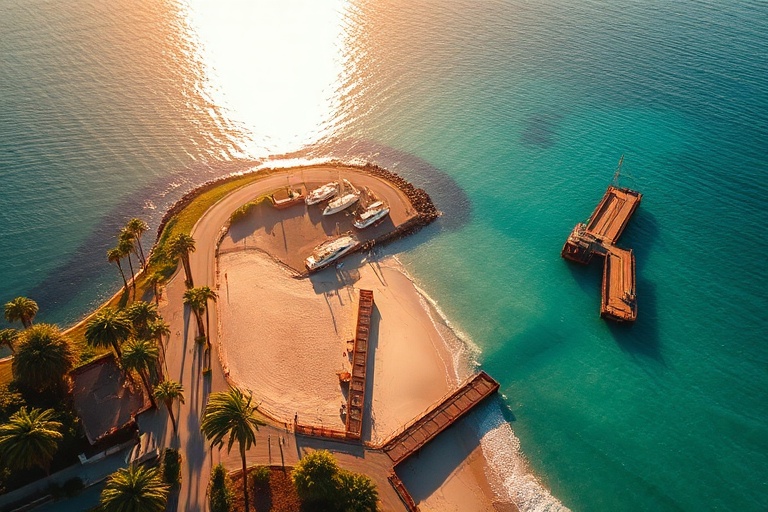
Whether you arrive by ferry, helicopter, or private yacht, the first view of Avalon Bay—with its glowing Casino, palm-lined streets, and sparkling waters—feels like stepping into a dream. But it’s a dream built on real people, real struggles, and real resilience. That’s what makes it unforgettable.
For those looking to experience a coastal retreat that balances beauty with authenticity, Avalon Bay remains a beacon. It invites visitors not just to see, but to slow down, listen, and belong—if only for a weekend.