Corsica: Europe’s Hidden Gem for Adventure and Culture
“`html
Corsica: Europe’s Best-Kept Secret for Adventure and Serenity
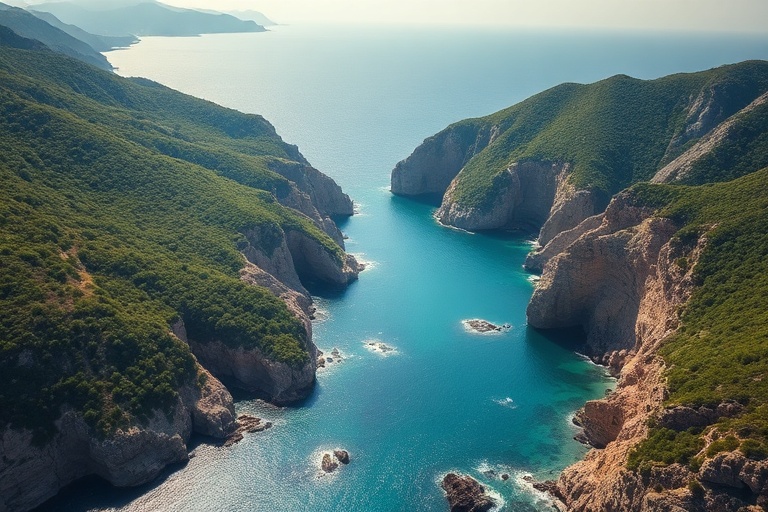
Tucked away in the Mediterranean Sea, Corsica stands as a striking contrast to the bustling tourist hubs of its Mediterranean neighbors. Often overshadowed by the glamour of the French Riviera or the historic allure of Italy, this island offers an unfiltered slice of raw natural beauty and cultural depth. With its jagged mountain peaks plunging into crystal-clear waters, Corsica is less a destination and more an experience—one that rewards travelers willing to look beyond the obvious.
The Allure of Corsica’s Landscape: A Geological Masterpiece
Corsica’s terrain is a study in dramatic contrasts. The island’s spine is formed by the rugged Massif Central, a mountain range that includes the island’s highest peak, Monte Cinto, at 2,706 meters. These mountains are not just scenic— they are ancient, with geological origins tracing back over 250 million years. Unlike the volcanic islands of the Aegean or the glacial landscapes of the Alps, Corsica’s topography was shaped by tectonic collisions and erosion, resulting in deep gorges, hidden valleys, and coastal cliffs that rise vertically from the sea.
One of the most breathtaking examples of this natural artistry is the Scandola Nature Reserve, a UNESCO World Heritage site. Accessible only by boat, the reserve features towering red porphyry cliffs, sea caves, and rare bird species like the osprey and the peregrine falcon. The landscape shifts dramatically from arid maquis shrubland to dense pine and chestnut forests, creating microclimates that support diverse ecosystems. Hiking trails such as the GR20, one of Europe’s most challenging long-distance trails, cut through this wilderness, offering trekkers unparalleled solitude and challenge.
For those seeking a more relaxed immersion in nature, the Desert des Agriates provides 15 kilometers of pristine sandy beaches backed by dunes and Mediterranean pines. Unlike the crowded beaches of the Côte d’Azur, these shores remain quiet, even in peak season. The contrast between the golden sands and the deep blue waters of the Tyrrhenian Sea is a visual symphony that feels almost untouched by time.
Cultural Identity: A Blend of French and Italian Influences
Corsica’s identity is a fascinating fusion of French administration and Italian heritage. The island was ruled by the Republic of Genoa for nearly 500 years, and traces of this legacy are visible in the architecture, language, and cuisine. While French is the official language, many locals speak Corsican, a Romance language closely related to Tuscan Italian. Signs in towns like Bonifacio and Sartène often appear in both languages, reflecting the island’s bilingual culture.
Music plays a central role in Corsican culture. Traditional polyphonic singing, known as paghjella, features three-part harmonies that evoke the rugged landscape itself—powerful, resonant, and deeply emotional. Groups like I Muvrini have brought this art form to international audiences, blending ancient chants with modern arrangements. Festivals such as the Festa di a Musica in June celebrate this heritage with performances in village squares, where locals and visitors gather under the stars.
Corsican cuisine is another testament to its cultural synthesis. Dishes like wild boar stew (sanglier), chestnut flour-based pulenda, and brocciu, a fresh sheep’s milk cheese, reflect both Italian and French culinary traditions. Seafood dominates coastal menus, with loup de mer (sea bass) grilled with herbs and served with local white wines like Patrimonio or Ajaccio. The island’s vineyards produce bold reds and crisp whites, often made from indigenous grapes such as Nielluccio and Vermentinu.
Adventure Beyond the Beaten Path
Corsica is not merely a place to relax—it’s a playground for adventurers. The island’s varied terrain supports a wide range of outdoor activities, from hiking and climbing to diving and kayaking. The GR20, often called Europe’s toughest trail, stretches 180 kilometers across the island’s interior. It is divided into 15 stages, each offering unique challenges and rewards. Trekkers navigate rocky passes, glacial lakes, and high-altitude refuges, often sharing the trail with mouflon sheep and golden eagles.
For water enthusiasts, Corsica’s coastline offers some of the Mediterranean’s best diving spots. The Réserve Naturelle de Lavezzi, an archipelago near Bonifacio, is home to underwater caves, shipwrecks, and vibrant marine life, including groupers and sea turtles. Kayaking around the Îles Lavezzi or paddling through the turquoise waters of the Réserve de Scandola provides an intimate way to experience the island’s coastal beauty.
Mountain biking and canyoning are also popular. The Col de Bavella, with its iconic Aiguilles de Bavella rock formations, is a mecca for cyclists and climbers. The region’s limestone cliffs offer over 300 routes for sport climbing, attracting athletes from around the world. In winter, the slopes of Val d’Ese transform into a quiet ski resort, offering a rare opportunity to enjoy snow in the Mediterranean.
Preservation and Sustainability: A Model for Responsible Tourism
Despite its growing popularity, Corsica remains committed to sustainable tourism. The island’s protected areas cover nearly 40% of its land, and initiatives like the Parc Naturel Régional de Corse work to balance conservation with visitor access. The park manages over 600 archaeological sites, 800 plant species, and numerous endangered animals, including the Corsican red deer and the European otter.
Local communities play a crucial role in preservation. Many villages rely on agrotourism, offering farm stays where visitors can learn about traditional cheese-making, olive oil production, and beekeeping. The Mare e Monti trail, a long-distance hiking route, connects coastal and mountain communities, promoting slow travel and economic support for rural areas.
Corsica’s approach to tourism contrasts sharply with the mass-market models of other Mediterranean destinations. There are no high-rise resorts or sprawling hotel complexes. Instead, accommodation ranges from family-run pensions to luxury eco-lodges, all designed to minimize environmental impact. Even the island’s ports, such as Porto-Vecchio and Calvi, maintain a human scale, with small marinas and pedestrian-friendly streets.
This commitment to sustainability hasn’t gone unnoticed. Corsica was named one of National Geographic’s “Best Summer Trips” in 2023, praised for its “authentic charm and environmental stewardship.” Yet, the island’s popularity is a double-edged sword. Rising demand threatens to erode its quiet charm, prompting debates about how to grow tourism without losing what makes Corsica unique.
Why Corsica Should Be on Your Travel List
Corsica is more than a destination—it’s a journey into a world where nature, culture, and adventure intersect in unexpected ways. Whether you’re scaling the GR20, savoring a bowl of aziminu (a local fish stew) in a seaside village, or listening to polyphonic singing under a star-filled sky, the island leaves a lasting impression. It challenges the notion that paradise must be crowded or commercialized. Instead, it offers a quieter, deeper kind of magic.
For those seeking an alternative to the typical Mediterranean getaway, Corsica delivers authenticity, beauty, and a sense of discovery. It’s a place where every turn on the trail or dip in the sea feels like an intimate conversation with the wild. As travel becomes increasingly commodified, Corsica reminds us that the most meaningful experiences are often found off the beaten path.
To explore more about Mediterranean adventures, visit our Travel category. For deeper insights into cultural experiences, check out our Culture section.
Corsica may not be the easiest island to reach, but it may well be the most rewarding.