Published on
Defining Ebola Virus: A Deadly Hemorrhagic Fever
Ebola virus disease (EVD), commonly known as Ebola, is a severe and often fatal illness in humans and other primates. Caused by the Ebola virus, a member of the Filoviridae family, this disease manifests through symptoms such as high fever, internal bleeding, and organ failure. The virus is named after the Ebola River in the Democratic Republic of Congo, where one of the first outbreaks occurred in 1976.
The Ebola virus is classified into six distinct species, four of which are known to cause disease in humans. The most notorious outbreaks have been linked to the Zaire ebolavirus species, which has historically shown the highest fatality rates. While Ebola is rare, its potential for rapid spread and severe outcomes makes it a significant public health concern.
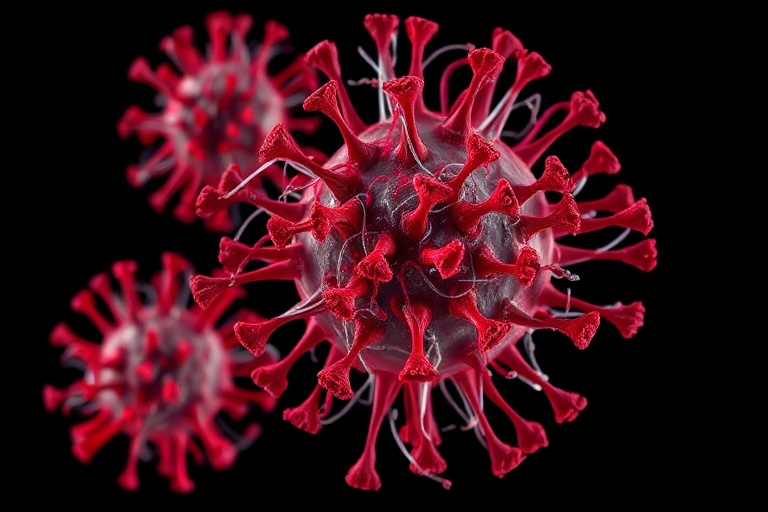
Understanding the nature of Ebola requires examining its genetic structure. The virus is enveloped, meaning it is surrounded by a lipid bilayer that protects its genetic material. This structure allows Ebola to remain stable in bodily fluids, contributing to its transmission potential.
Transmission: How Ebola Spreads Among Humans
Ebola is not an airborne virus, but it spreads through direct contact with bodily fluids from an infected person or animal. This includes blood, vomit, saliva, and even sweat. The virus can also survive on surfaces, making indirect transmission a risk in healthcare settings.
Key modes of transmission include:
- Direct contact with infected bodily fluids: Healthcare workers are particularly vulnerable if proper protective equipment is not used.
- Contact with contaminated surfaces: Surfaces like bedding or medical equipment can harbor the virus for hours or days.
- Animal-to-human transmission: Handling or consuming infected bushmeat, such as bats or primates, can introduce the virus to humans.
- Burial practices: Traditional funeral customs involving close contact with the deceased can facilitate transmission.
Ebola is not spread through casual contact, such as shaking hands or sharing food. However, its ability to spread rapidly in densely populated areas with limited healthcare infrastructure has led to devastating outbreaks. For example, the 2014–2016 West African Ebola epidemic resulted in over 11,000 deaths, highlighting the virus’s potential for widespread impact.
Symptoms and Progression: What Happens During an Ebola Infection?
After exposure, symptoms typically appear within 2 to 21 days, with an average incubation period of 8 to 10 days. Early symptoms mimic those of other infectious diseases, such as malaria or influenza, which can complicate diagnosis. These initial signs include:
- High fever
- Severe headache
- Muscle pain
- Fatigue
- Sore throat
As the disease progresses, symptoms become more severe. Patients may experience vomiting, diarrhea, and internal bleeding, often leading to organ failure. In advanced stages, the virus can cause hemorrhagic manifestations, such as bleeding from the eyes, ears, and mouth. The fatality rate for Ebola can exceed 50%, depending on the strain and the quality of medical care available.
Diagnosis is challenging due to the nonspecific early symptoms. Laboratory tests, such as PCR or antigen detection, are required to confirm an Ebola infection. Rapid and accurate diagnosis is critical to controlling outbreaks and preventing further transmission.
Global Implications: The Broader Impact of Ebola Outbreaks
Ebola’s impact extends beyond individual health. Outbreaks can destabilize entire regions, disrupting economies, healthcare systems, and social structures. The 2014–2016 West African epidemic, for instance, led to widespread fear and stigma, which affected trade and travel. Communities experienced social isolation, and healthcare workers faced extreme risks, sometimes leading to staff shortages.
The economic toll of an Ebola outbreak is substantial. According to the World Bank, the 2014 epidemic cost Guinea, Liberia, and Sierra Leone an estimated $2.8 billion in lost economic growth. The healthcare burden is equally staggering, with overwhelmed hospitals and clinics struggling to manage both Ebola patients and other medical needs.
Ebola also highlights global health inequities. Wealthier nations often have the resources to contain outbreaks quickly, while poorer countries may lack the infrastructure to respond effectively. This disparity underscores the importance of international cooperation and support in combating infectious diseases.
Efforts to combat Ebola have led to advancements in medical research. The development of vaccines, such as the rVSV-ZEBOV vaccine, has been a game-changer in outbreak response. These vaccines have demonstrated high efficacy and are now a cornerstone of Ebola prevention strategies.
Prevention and Response: How Communities and Governments Can Act
Preventing Ebola outbreaks requires a multifaceted approach. Public health measures, such as contact tracing, isolation of infected individuals, and safe burial practices, are essential to controlling transmission. Communities must be educated about the risks of Ebola and how to protect themselves.
Governments and international organizations play a critical role in outbreak response. Rapid deployment of medical teams, the provision of personal protective equipment (PPE), and the establishment of treatment centers are vital. Surveillance systems must be strengthened to detect and respond to cases quickly.
Vaccination campaigns have proven effective in reducing Ebola transmission. The rVSV-ZEBOV vaccine, developed by Merck, has been used in ring vaccination strategies, where contacts of confirmed cases are vaccinated to create a buffer of immunity. This approach has been successful in containing several recent outbreaks.
For individuals, practicing good hygiene and avoiding contact with wild animals are key preventive measures. In healthcare settings, strict adherence to infection control protocols is critical to protecting both patients and providers.
Key Takeaways
- Ebola virus disease is a severe and often fatal illness caused by the Ebola virus, with symptoms including fever, bleeding, and organ failure.
- The virus spreads through direct contact with bodily fluids, contaminated surfaces, or infected animals.
- Early symptoms are nonspecific, making diagnosis challenging without laboratory tests.
- Outbreaks can have devastating economic and social impacts, particularly in resource-limited settings.
- Prevention strategies include vaccination, contact tracing, and community education.
For further reading on related topics, explore our Health and Science categories on Dave’s Locker. Understanding Ebola is not just about managing outbreaks—it’s about building resilient health systems that can protect communities from future threats.