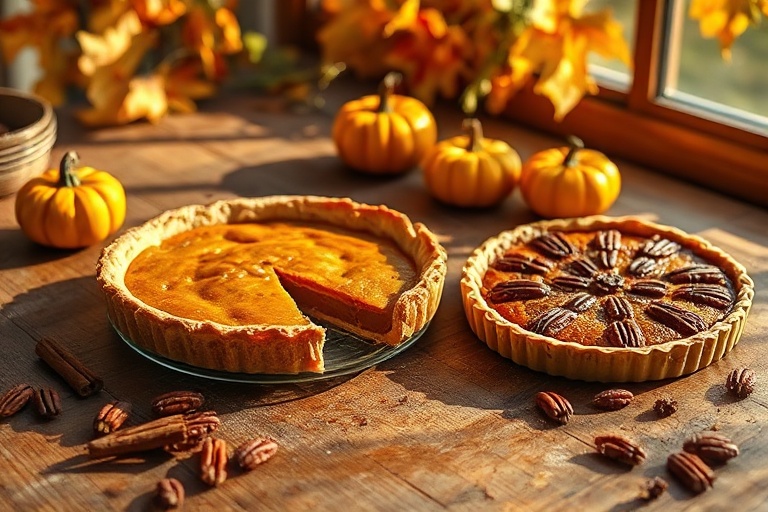
From Amish Pantries to Global Tables: Shoofly Pecan Pumpkin Pie Enters the Spotlight
The unassuming shoofly pie, a molasses-rich dessert with roots in Pennsylvania Dutch country, has quietly begun a culinary journey that now includes a bold autumn twist: the addition of pecans and pumpkin. This fusion dessert, which blends the deep, earthy sweetness of molasses with the crunch of toasted pecans and the velvety texture of pumpkin, is not just another seasonal novelty. It represents a quiet cultural evolution—one where traditional recipes meet modern tastes, and regional specialties gain global appeal.
In the heart of fall, when pumpkin spice dominates café menus and social media feeds, the shoofly pecan pumpkin pie offers something different. It’s not just a dessert; it’s a conversation starter. It invites diners to reconsider what “traditional” means in American baking, especially as culinary borders blur and home cooks experiment with ingredients once confined to specific regions or seasons.
The Origins: Shoofly Pie in the American Imagination
Shoofly pie traces its lineage to the 19th-century Pennsylvania Dutch, who adapted molasses—then a widely available sweetener—into a pie that mirrored the British treacle tart but with a distinctly American character. The name “shoofly” is believed to come from the molasses filling’s tendency to attract flies, necessitating a quick “shoo” away. Over time, the pie became a symbol of rural ingenuity and frugality, made with simple, affordable ingredients.
Yet, despite its historical significance, shoofly pie remained a regional curiosity, largely confined to the Mid-Atlantic and parts of the Midwest. Its dense, cake-like texture and strong molasses flavor didn’t always resonate with broader audiences. But as interest in heritage foods grows—fueled by nostalgia, food blogs, and the slow food movement—shoofly pie has found new life. Chefs and home bakers began experimenting, adding unexpected ingredients to refresh the classic.
A Global Twist: Why Pecans and Pumpkin Matter
The introduction of pecans and pumpkin to shoofly pie is more than a seasonal mashup. It reflects broader culinary trends: the blending of textures, the celebration of regional produce, and the desire for desserts that feel both familiar and novel. Pecans, native to the southern United States but now grown in Mexico and South Africa, bring a buttery crunch that contrasts with the sticky molasses. Pumpkin, a staple in autumnal dishes from Italy to India, adds moisture and a subtle spice profile that softens the pie’s intensity.
This fusion has gained traction among bakers who cater to diverse tastes. In cities like Los Angeles and London, where food trucks and pop-ups thrive, the shoofly pecan pumpkin pie has appeared on seasonal menus alongside pumpkin spice lattes and pecan pie variations. It’s a dessert that speaks to a global palate—one that values tradition but isn’t afraid of innovation.
Cultural analysts note that such hybrid desserts often emerge during periods of culinary democratization. As home cooks gain access to ingredients once considered exotic, and as social media amplifies food trends, regional recipes can evolve into something entirely new. The shoofly pecan pumpkin pie is a prime example: a humble Amish dessert transformed into a cosmopolitan treat.
How to Make Shoofly Pecan Pumpkin Pie at Home
While some bakers might hesitate to tamper with a classic, the shoofly pecan pumpkin pie is surprisingly adaptable. The process begins with a traditional molasses-based filling, which is then lightened with pumpkin purée and studded with toasted pecans. The result is a pie that’s rich but not cloying, with layers of flavor and texture.
Here’s a simple breakdown of the steps:
- Prepare the crust: Use a standard pie crust, either homemade or store-bought. For extra flakiness, some bakers recommend chilling the dough for at least an hour before rolling.
- Make the filling: Combine molasses, brown sugar, eggs, and pumpkin purée in a bowl. The pumpkin should make up about a third of the filling’s volume, ensuring a smooth texture without overpowering the molasses.
- Add the pecans: Fold in chopped pecans, reserving a handful for topping. Toasting the pecans first enhances their flavor and adds a subtle crunch to every bite.
- Bake and cool: Pour the filling into the crust and bake at 350°F (175°C) for about 45 minutes, or until the center is set. Let it cool completely before slicing to allow the flavors to meld.
For those who prefer a more structured recipe, many food blogs now offer detailed guides, complete with tips for adjusting sweetness or spice levels. Some variations even incorporate a streusel topping, mirroring the crumbly texture of traditional shoofly pie.
While the shoofly pecan pumpkin pie may never replace pumpkin pie as the quintessential autumn dessert, its rise highlights a broader shift in how we approach food. It’s a reminder that culinary traditions are not static; they evolve with the times, the ingredients, and the people who make them.
The Broader Impact: Food as Cultural Currency
The story of shoofly pecan pumpkin pie is also a story about how food functions as cultural currency in a globalized world. Recipes like this one travel across borders, not just as dishes, but as narratives—stories of migration, adaptation, and creativity. In a time when many consumers are seeking authenticity amid the homogeneity of fast food, desserts like this offer a taste of something real, something handmade.
This trend isn’t limited to the United States. In Europe, where pumpkin has long been a staple in dishes like Italian risotto or French tarts, bakers have begun incorporating molasses and pecans into their own autumnal creations. In Japan, where pumpkin desserts are popular year-round, the addition of molasses—a flavor rarely used in traditional Japanese sweets—creates a uniquely fusion experience.
Food historians suggest that such exchanges are part of a larger pattern. As supply chains become more interconnected, ingredients once confined to specific regions become accessible worldwide. This opens up opportunities for culinary experimentation, where tradition and innovation intersect. The shoofly pecan pumpkin pie is just one example of how a recipe can transcend its origins to become something new, something shared.
Where to Find Shoofly Pecan Pumpkin Pie
While the pie is still a niche offering, it’s becoming easier to find during the fall season. Some artisan bakeries in the Midwest and Mid-Atlantic states continue to produce traditional shoofly pies but have added the pecan pumpkin variation to their seasonal menus. Online retailers, particularly those specializing in heritage foods, now sell pre-made mixes or frozen pies that can be shipped nationwide.
For those who want to try their hand at baking, local farmers’ markets often feature vendors selling molasses, pumpkin purée, and pecans—ingredients that can elevate even a simple dessert. And for the adventurous, social media platforms like Instagram and TikTok are filled with step-by-step tutorials, where bakers share their own twists on the recipe.
If you’re curious about where to start, consider visiting a food-focused marketplace or searching for “shoofly pie recipes” online. You might just discover your new favorite autumn treat.
A Dessert for the Ages
The shoofly pecan pumpkin pie is more than a fleeting trend. It’s a testament to the enduring power of tradition—and the human desire to keep it alive by reimagining it. Whether you’re a purist who cherishes the original molasses pie or an innovator eager to experiment, this dessert offers something for everyone. It invites us to slow down, savor the flavors of the season, and appreciate the stories behind the food on our plates.
As autumn leaves fall and winter approaches, the shoofly pecan pumpkin pie stands as a reminder that the best dishes are often the ones that bring us together—across regions, cultures, and generations. So this year, why not give it a try? You might just find that the most comforting flavors of the season come from the most unexpected places.