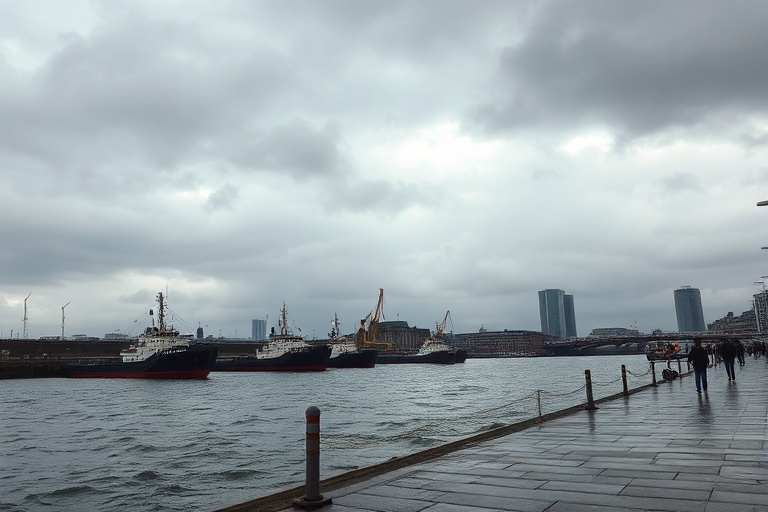
Sunderland’s weather is as varied as its history—sometimes unpredictable, often dramatic, and always a topic of local conversation. Located on the northeast coast of England, this maritime city experiences a temperate maritime climate, shaped by its proximity to the North Sea. While it may not rival the extremes of inland regions, Sunderland’s weather plays a significant role in daily life, from outdoor events to the local fishing industry.
Seasonal Shifts in Sunderland: What Defines Each Quarter
The city’s four seasons each bring distinct weather patterns, though none are extreme by British standards. Winters are typically cool and damp, with average temperatures hovering around 4°C (39°F). Frost is common, especially in inland areas, while coastal zones often see milder conditions due to the sea’s influence. Rainfall is spread evenly throughout the year, but winter months tend to be the wettest, with frequent low-pressure systems moving in from the Atlantic.
Spring offers a gradual transition, though it can be slow to arrive. March and April often remain chilly, with temperatures struggling to surpass 10°C (50°F). Sudden cold snaps aren’t uncommon, and the city can experience late frosts well into April. As May approaches, conditions begin to stabilize, with longer daylight hours and a noticeable reduction in gales—a relief for residents after the harsh winter winds.
Summer in Sunderland: A Brief but Inconsistent Season
Summers in Sunderland are mild rather than hot. Average daytime temperatures in July and August peak at around 18°C (64°F), though heatwaves—when they occur—can push readings into the low 20s. The city rarely experiences prolonged dry spells; instead, it alternates between sunny intervals and brief but heavy showers. The sea breeze often moderates temperatures, making heatwaves feel more bearable than in inland locations. However, this maritime influence also means humidity can make cooler days feel damp and uncomfortable.
Even during the warmest months, Sunderland’s weather retains an unpredictable edge. Heatwaves, though rare, have become slightly more frequent in recent years—a trend that aligns with broader climatic shifts across the UK. The city’s coastal location also means that summer evenings can feel cooler than inland areas, a factor that shapes everything from evening walks along Roker Pier to outdoor dining in local beer gardens.
Weather’s Role in Sunderland’s Culture and Economy
Sunderland’s relationship with its weather extends beyond small talk. The city’s maritime heritage is deeply tied to coastal conditions, with fishing and shipbuilding industries historically dependent on predictable wind and sea patterns. While those industries have declined, the weather still influences modern sectors such as tourism and renewable energy. The North Sea’s winds, for example, have made Sunderland a prime location for offshore wind farms, contributing to the region’s push toward green energy.
Culturally, the weather shapes local traditions and events. The Sunderland International Air Show, held annually in summer, relies on favorable conditions to draw massive crowds. Poor weather can force cancellations or limit attendance, highlighting how even a drizzle can impact public gatherings. Similarly, local football clubs like Sunderland AFC must adapt training schedules based on weather forecasts, as heavy rain can turn pitches into muddy obstacles.
How Climate Change Is Reshaping Local Patterns
Like much of the UK, Sunderland is experiencing subtle but measurable changes due to climate change. Data from the Met Office indicates a gradual rise in average temperatures, particularly in winter months. Rainfall patterns are also shifting, with some evidence suggesting heavier downpours in autumn and winter—a trend that increases flood risks in low-lying areas near the River Wear.
These changes carry broader implications. For a city with aging infrastructure, increased rainfall and flooding pose challenges for drainage systems and road maintenance. The local fishing industry, though diminished, remains sensitive to sea temperature fluctuations, which can affect fish migration patterns. Meanwhile, tourism operators are beginning to adjust by promoting year-round attractions that don’t rely solely on sunny weather.
Key Takeaways for Residents and Visitors
Understanding Sunderland’s weather helps residents plan daily life and visitors make the most of their trips. Here are some essential points to keep in mind:
- Layered clothing is essential. Even in summer, coastal breezes can make temperatures feel 5–10°C cooler than inland forecasts suggest.
- Rain is always possible. Carrying a compact umbrella or waterproof jacket is advisable year-round.
- Winter winds are strong. The city’s exposed coastal location means gales are common, particularly from November to February.
- Summer heatwaves are brief. When they occur, expect temperatures to peak for 2–3 days before cooling again.
- Check coastal forecasts. Conditions at Roker Beach or Seaburn can differ significantly from inland areas like Hetton or Houghton-le-Spring.
For those planning outdoor activities, keeping an eye on local forecasts is crucial. The Sports section often features weather-related updates for events, while the Travel category provides insights for visitors navigating the city’s coastal attractions.
Conclusion: Embracing Sunderland’s Weather
Sunderland’s weather may not always cooperate, but it is a defining feature of life in the city. From the biting winds of winter to the fleeting sunshine of summer, each season offers its own rhythm. Rather than resisting it, residents and visitors alike have learned to adapt—whether by choosing the right footwear for a rainy day or planning summer picnics around the occasional dry spell.
As climate change continues to influence local patterns, Sunderland’s relationship with its weather will evolve. Yet one thing remains constant: the city’s resilience in the face of unpredictability. Whether you’re a lifelong resident or a first-time visitor, understanding these patterns is the first step toward making the most of what Sunderland has to offer.