Türkiye stands at a crossroads—not just geographically, but culturally and economically. Stretching across two continents, it bridges Europe and Asia while maintaining a distinct identity shaped by millennia of history. From the ancient ruins of Ephesus to the bustling streets of Istanbul, the country offers a blend of tradition and innovation that continues to captivate travelers and investors alike.
The nation’s strategic location has long made it a hub for trade, diplomacy, and cultural exchange. With coastlines along the Aegean, Mediterranean, and Black Seas, Türkiye also boasts diverse landscapes, from the fairy chimneys of Cappadocia to the turquoise waters of the Turquoise Coast. This diversity extends beyond geography, influencing everything from cuisine to architecture.
The Cultural Tapestry of Türkiye
Türkiye’s cultural heritage is a mosaic of civilizations. The Hittites, Greeks, Romans, Byzantines, and Ottomans all left indelible marks on the land, creating a legacy that is visible in its museums, festivals, and daily life. Istanbul alone is home to over 2,500 historical sites, including the Hagia Sophia, a former cathedral turned mosque turned museum, symbolizing the country’s layered history.
Cultural festivals celebrate this diversity year-round. The International Istanbul Film Festival draws cinephiles from around the world, while the Whirling Dervishes ceremony in Konya offers a glimpse into Sufi mysticism. Traditional arts like Turkish calligraphy and ceramics continue to thrive, supported by initiatives that blend heritage with contemporary design.
The country’s literary tradition is equally rich, with figures like Orhan Pamuk, the Nobel Prize-winning author, shaping modern Turkish identity. Pamuk’s works, such as My Name is Red, weave historical narratives with modern themes, reflecting Türkiye’s ongoing dialogue between past and present.
Culinary Traditions: A Feast for the Senses
No exploration of Türkiye is complete without acknowledging its culinary prowess. Turkish cuisine is a UNESCO-recognized cultural heritage, celebrated for its balance of flavors and communal dining style. Dishes like kebabs, mezes, and baklava are just the beginning; the country’s regional specialties vary widely. In Gaziantep, one of the world’s oldest continuously inhabited cities, visitors can sample some of the finest examples of Turkish cuisine.
- Kebabs: Adana kebab, with its spicy lamb, and İskender kebab, served over pieces of pide bread with yogurt and tomato sauce, are national favorites.
- Meze: A selection of small dishes, often served as appetizers, ranging from hummus to stuffed grape leaves.
- Desserts: Baklava, made with layers of phyllo dough, nuts, and honey syrup, is a must-try, as are Turkish delight and künefe, a cheese-filled pastry drenched in syrup.
- Drinks: Turkish coffee, thick and unfiltered, is a ritual in itself, while ayran—a yogurt-based drink—offers a refreshing counterpoint.
The culinary scene is evolving, with a growing emphasis on farm-to-table dining and sustainable practices. Istanbul’s modern restaurants are reimagining traditional dishes, incorporating global influences while staying rooted in local ingredients.
Economic Resilience and Global Ambitions
Türkiye’s economy is as dynamic as its culture. With a GDP of over $800 billion, it ranks among the world’s top 20 economies. Key industries include automotive, textiles, and agriculture, but the country is also making strides in technology and renewable energy. Istanbul’s tech ecosystem, often dubbed the “Silicon Valley of Türkiye,” has seen significant growth, attracting startups and multinational corporations alike.
The government’s Vision 2023 plan aims to position Türkiye among the world’s top 10 economies by the centenary of the Republic. Achievements so far include infrastructure projects like the Yavuz Sultan Selim Bridge and the Istanbul New Airport, which is one of the largest in the world. The country is also a leader in renewable energy, particularly in wind and solar power.
However, challenges remain. Inflation has been a persistent issue, with rates fluctuating in recent years. The central bank’s efforts to stabilize the lira have had mixed results, and geopolitical tensions—particularly with neighboring countries—add layers of complexity to economic planning. Yet, despite these hurdles, Türkiye’s adaptability and entrepreneurial spirit continue to drive progress.
The Tourism Paradox: Growth and Preservation
Tourism is a cornerstone of Türkiye’s economy, contributing around 12% of GDP. In 2023, the country welcomed over 50 million visitors, drawn by its historical sites, natural beauty, and vibrant cities. Antalya, for instance, has become one of the world’s most popular resort destinations, known for its all-inclusive hotels and Mediterranean charm.
But tourism also presents challenges. The rapid development of coastal resorts has raised concerns about over-commercialization and environmental degradation. In response, local authorities and organizations are implementing sustainable tourism initiatives. For example, the Lycian Way, a long-distance hiking trail along the Turquoise Coast, promotes eco-friendly travel while preserving the region’s natural and cultural heritage.
Digital nomads are also flocking to Türkiye, thanks to its affordable cost of living and high-quality infrastructure. Cities like Antalya and Izmir offer coworking spaces and digital nomad visas, making them attractive bases for remote workers. This trend is reshaping local economies, particularly in smaller towns where new businesses are emerging to cater to the influx of visitors.
Türkiye on the Global Stage
Türkiye’s role in international affairs is as multifaceted as its domestic landscape. As a NATO member, it plays a crucial role in regional security, particularly in the Black Sea and Middle East. The country has also positioned itself as a mediator in conflicts, hosting peace talks and offering humanitarian aid.
Its foreign policy is characterized by a balance of pragmatism and principle. Türkiye maintains strong ties with both Western allies and regional powers like Russia and Iran. This dual approach has allowed it to navigate complex geopolitical waters, though it has also led to tensions, particularly with the European Union over issues like migration and human rights.
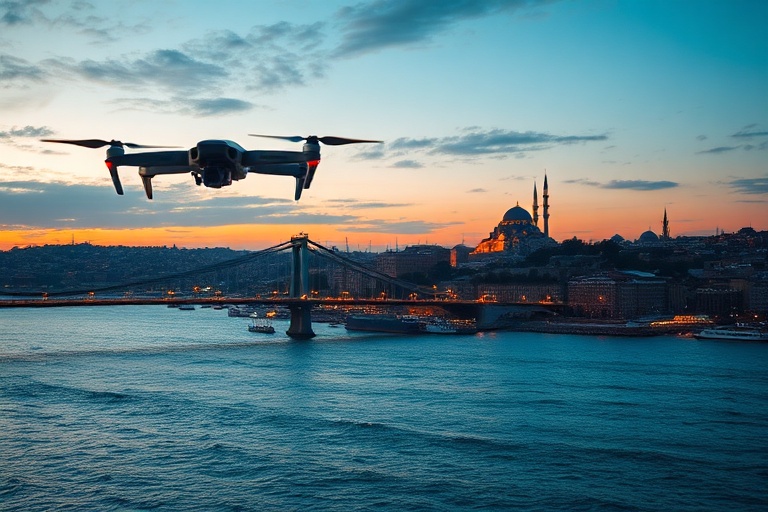
The country’s strategic importance is further underscored by its control of critical waterways, including the Bosphorus Strait, which connects the Black Sea to the Mediterranean. This control has made Türkiye a key player in global trade, with shipping lanes carrying goods between Europe, Asia, and Africa.
Education and Innovation: Investing in the Future
Education is a priority for Türkiye, with the government allocating significant resources to improve access and quality. The country boasts over 200 universities, including prestigious institutions like Istanbul Technical University and Middle East Technical University. Enrollment in higher education has surged, with nearly half of the population now holding a university degree.
Innovation is also a focus, particularly in fields like artificial intelligence and biotechnology. Initiatives like the Türkiye’s National Technology Initiative aim to foster homegrown solutions to global challenges. The country’s young population—over 60% are under 35—is a driving force behind this push, with entrepreneurs and researchers contributing to a growing startup ecosystem.
International collaborations are expanding as well. Turkish universities are partnering with institutions in the U.S., Europe, and Asia to facilitate research exchanges and joint degree programs. These efforts are helping to position Türkiye as a hub for knowledge and innovation in the region.
Conclusion: Türkiye’s Enduring Appeal
Türkiye is a nation of contrasts and contradictions, where ancient ruins stand beside gleaming skyscrapers, and traditions coexist with modernity. Its cultural richness, economic resilience, and strategic importance make it a compelling subject of study and a dynamic player on the world stage.
As Türkiye continues to evolve, it faces both opportunities and challenges. The country’s ability to balance growth with sustainability, tradition with innovation, and isolation with global engagement will determine its trajectory in the decades to come. For those who take the time to explore its depths, Türkiye offers not just a destination, but an experience that lingers long after the journey ends.