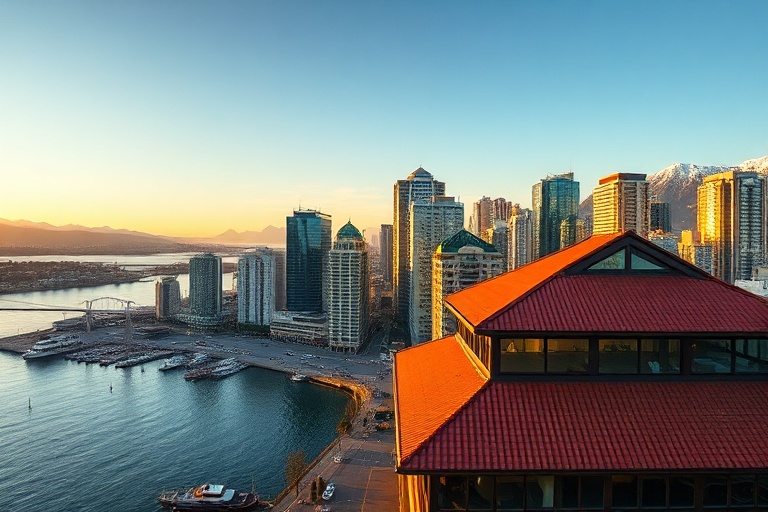
Nestled between the Pacific Ocean and the Coast Mountains, Vancouver thrives as a city where urban sophistication harmonizes with raw natural beauty. With a population exceeding 660,000 within city limits and over 2.6 million in the metro area, it stands as British Columbia’s largest urban center and one of Canada’s most ethnically diverse cities. Unlike many North American cities, Vancouver’s skyline is punctuated by mountain peaks visible from downtown streets, creating a living postcard that shapes daily life.
The Urban Landscape: Design, Density, and Sustainability
Vancouver’s urban form is internationally recognized for its commitment to sustainability and innovative planning. The city has long prioritized high-density development along transit corridors, reducing dependency on private vehicles. The Canada Line SkyTrain, connecting downtown to Richmond and the airport, operates with remarkable efficiency, moving over 150,000 passengers daily. This transit-first approach has earned Vancouver a reputation as a global model for green urbanism.
Architecturally, the city blends modern glass towers with mid-century heritage buildings, particularly in neighborhoods like Yaletown and Gastown. The recently completed Oakridge Centre redevelopment—transforming a suburban shopping mall into a mixed-use community with 2,700 homes—exemplifies this evolution. Yet challenges persist. Housing affordability remains a critical issue, with average home prices exceeding $1.2 million, pushing many residents toward co-op housing or long commutes from the Fraser Valley.
Green space is not an afterthought here. Stanley Park, a 1,000-acre urban forest, draws over 8 million visitors annually. The Seawall, a 9-kilometer pedestrian and cycling loop around the park’s perimeter, is one of the busiest recreational paths in North America. Meanwhile, the city has committed to planting 150,000 new trees by 2030, aiming to increase canopy cover from 23% to 30%—a modest but meaningful step toward climate resilience.
Cultural Mosaic: Diversity, Arts, and Culinary Excellence
Few cities in North America rival Vancouver’s cultural diversity. Over 52% of residents identify as visible minorities, with large Chinese, South Asian, and Filipino communities shaping the city’s identity. This diversity is most evident in neighborhoods like Richmond, where over 60% of residents speak Mandarin or Cantonese at home, and the abundance of authentic dim sum restaurants along No. 3 Road. Meanwhile, Punjabi Market in South Vancouver offers a vibrant slice of Punjabi culture, from fabric shops to street-food stalls serving samosas and chana masala.
The arts scene thrives across multiple platforms. The Vancouver Art Gallery, undergoing a major expansion led by Herzog & de Meuron, hosts contemporary exhibitions alongside historical collections. The city’s film industry—bolstered by tax incentives and proximity to Hollywood North—employs over 26,000 people annually. The Vancouver International Film Festival, now in its 42nd year, screens more than 200 films from 60 countries, drawing filmmakers and critics from around the world.
Culinary culture has evolved from its early reputation for sushi and seafood to a global gastronomic destination. Restaurants like Published on Main and AnnaLena have earned Michelin stars, while food trucks and night markets—such as the Richmond Night Market, one of the largest in North America—offer accessible, multicultural dining experiences. The city’s craft beer scene has also flourished, with over 100 breweries operating within a 30-kilometer radius of downtown, including award-winning names like 33 Acres and Brassneck.
Outdoor Lifestyle: From Mountains to Ocean
Vancouver’s geography defines its lifestyle. Residents can ski at Whistler Blackcomb—just 90 minutes north—before returning for an evening dinner in the city. The North Shore mountains offer world-class hiking, with trails like the Grouse Grind challenging hikers with 2,800 steps in just 2.9 kilometers. Meanwhile, the Pacific Spirit Regional Park provides a quieter escape within city limits, its dense forests and moss-covered trails offering a reminder of the region’s ancient coastal temperate rainforest.
Water activities are equally central to Vancouver’s identity. Kayaking in False Creek or paddleboarding at Jericho Beach offers urban residents a direct connection to the ocean. For those seeking adventure, the Gulf Islands and Howe Sound provide sheltered waters perfect for sailing and diving. The city’s commitment to ocean health is evident in initiatives like the Vancouver Aquarium’s Marine Mammal Rescue Centre, which rehabilitates injured sea otters and seals.
Yet this outdoor lifestyle comes with trade-offs. Rainfall averages 168 days per year, earning Vancouver the nickname “Raincouver.” While locals embrace the weather with waterproof gear and a resilient spirit, winter tourism in the mountains depends heavily on snowpack levels, which have declined by 20% over the past century—a trend tied to climate change. The city’s response includes investing in snowmaking technology and promoting shoulder-season activities like mountain biking and yoga retreats.
Economic Engine: Trade, Tech, and Tourism
Vancouver’s economy is a study in contrasts: a gateway to global trade sitting amid stunning natural resources. The Port of Vancouver handles over $65 billion in cargo annually, making it Canada’s largest and most diversified port. It is the country’s leading port for automobiles, grain, and coal, with container traffic growing steadily despite global supply chain disruptions. The port’s expansion plans, including the Roberts Bank Terminal 2 project, have sparked debates over environmental impact and Indigenous consultation, highlighting the tension between economic growth and ecological stewardship.
The technology sector has emerged as a major economic driver, earning Vancouver the nickname “Silicon Vine.” Home to over 10,000 tech companies—including giants like Amazon, Microsoft, and SAP—it is the third-largest tech hub in North America after San Francisco and New York. The city’s tech workforce has grown by 50% since 2016, fueled in part by immigration policies that prioritize skilled tech workers. Programs like Launch Academy and the BC Tech Association support startups, while events like Collision Vancouver attract international investors.
Tourism contributes $5 billion annually to the local economy. Visitors flock to Granville Island for its public market and artisan studios, or to Granville Street for its theaters and nightlife. The Capilano Suspension Bridge Park, celebrating its 135th anniversary in 2024, remains one of the city’s most visited attractions, drawing over 1.3 million guests each year. However, overtourism concerns have led to calls for better visitor management, including a proposed tourist tax and limits on short-term rentals like Airbnb.
Key Industries in Vancouver’s Economy
- Port and Trade: Handles 15% of Canada’s total trade volume; key exports include lumber, coal, and automobiles.
- Technology: Employs over 100,000 people; includes gaming studios like Electronic Arts and mobile app developers.
- Tourism: Supports 70,000 jobs; major events include the Vancouver International Jazz Festival and Celebration of Light fireworks.
- Film and Television: Produces over 200 productions annually; home to studios like The Bridge Studios in Burnaby.
- Clean Technology: Over 200 cleantech companies operate in the region, focusing on renewable energy and green building.
Challenges and Opportunities: Navigating the Future
Vancouver faces a complex set of challenges as it looks to the future. Housing affordability remains the most pressing issue, with rising rents and a vacancy rate below 1% in some neighborhoods. The city has responded with policies like the Empty Homes Tax and increased zoning for laneway homes, but critics argue these measures have not kept pace with demand. Meanwhile, the opioid crisis continues to devastate communities, with over 1,000 overdose deaths in 2023 alone, prompting calls for expanded harm reduction and treatment services.
Climate change presents another urgent challenge. Rising sea levels threaten False Creek and the Fraser River delta, while wildfire smoke from interior BC has become a recurring summer health hazard. The city’s Climate Emergency Action Plan aims to reduce emissions by 50% by 2030, but achieving this goal requires coordination with provincial and federal governments, as well as private industry.
Yet Vancouver’s strengths—its cultural diversity, natural beauty, and innovative spirit—position it well for the future. The city’s commitment to reconciliation with Indigenous peoples, including the signing of the City of Vancouver’s first-ever Indigenous Relations Action Plan, reflects a growing awareness of the need to address historical injustices. Initiatives like the Indigenous Tourism BC partnership are helping to share authentic Indigenous stories and experiences with visitors.
As Vancouver navigates these challenges, it remains a city of possibility. Its ability to balance growth with sustainability, diversity with unity, and ambition with humility will determine whether it continues to thrive as a model for urban living—or becomes a cautionary tale of unchecked development. For now, Vancouver endures as a place where the mountains stand as both backdrop and reminder: nature is not just a feature of the city, but its foundation.
Whether you’re drawn by the promise of career opportunities, the allure of outdoor adventure, or the vibrancy of a multicultural metropolis, Vancouver invites you to stay awhile—and perhaps to stay forever.
For more insights into urban development and sustainability, visit Dave’s Locker Sustainability. To explore trends in urban tech and innovation, check out Dave’s Locker Technology.