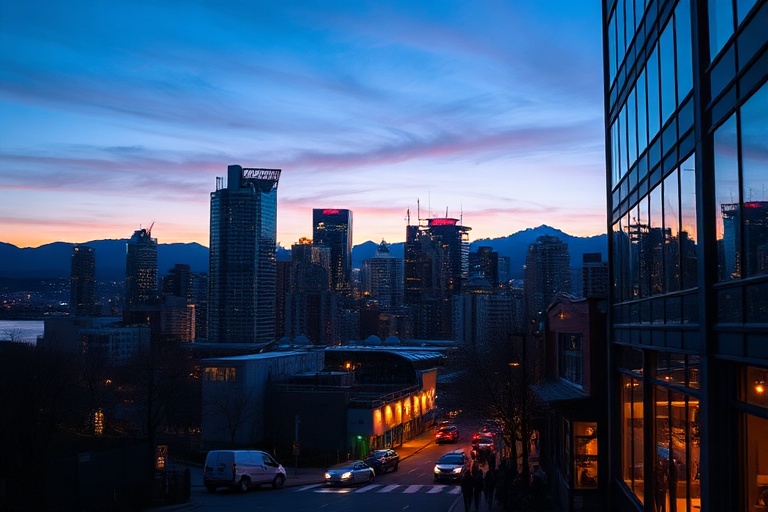
Vancouver’s Enduring Appeal: Nature, Economy, and Culture
“`html
Vancouver: Why This City Keeps Drawing the World In
Nestled between the Pacific Ocean and the North Shore Mountains, Vancouver has long been more than just a postcard-perfect destination. Its reputation as a livable city stems from a rare combination of natural beauty, economic opportunity, and cultural diversity. Unlike many major cities that struggle to balance growth with sustainability, Vancouver has managed to maintain its allure while evolving into a global hub.
The city’s appeal isn’t accidental. Urban planning policies prioritize green spaces and public transit, while its economy thrives on tech innovation and international trade. This has created a magnetism that attracts professionals, artists, and adventurers alike. But what exactly makes Vancouver stand out in an era when cities around the world are vying for attention?
The Geography That Shapes a City
Vancouver’s geography is its most defining feature. The city is flanked by water on three sides—English Bay, the Burrard Inlet, and the Fraser River—while the Coast Mountains loom to the north. This setting provides both breathtaking views and practical advantages. Residents can ski in the morning and sail in the afternoon, a luxury few urban centers can claim.
The mountains also play a crucial role in the city’s climate. They block harsh winter winds, creating milder temperatures compared to inland cities like Calgary or Edmonton. Meanwhile, the Pacific Ocean moderates the weather, ensuring that Vancouver rarely experiences extreme heat or cold. This temperate climate, combined with abundant rainfall, fosters lush greenery year-round, earning the city its nickname “The Greenest City in the World.”
Why the Landscape Matters
The natural environment isn’t just a backdrop; it’s integral to Vancouver’s identity. The Stanley Park, a 1,000-acre urban forest, offers a sanctuary from the urban hustle. Its seawall, a 9-kilometer path, is one of the most popular recreational spots in North America. Meanwhile, the nearby North Shore mountains provide hiking, mountain biking, and skiing within a 30-minute drive from downtown.
This accessibility to nature influences everything from real estate prices to public health. Studies have shown that urban green spaces reduce stress and improve mental well-being. Vancouver’s commitment to preserving these spaces—despite its rapid growth—sets it apart from cities that prioritize development over livability.
An Economic Powerhouse with a Conscience
Vancouver’s economy is as diverse as its population. While traditionally known for its forestry and fishing industries, the city has transformed into a center for technology, film production, and international trade. The rise of the tech sector, often referred to as “Silicon Vine,” has drawn global attention, with companies like Amazon and Microsoft establishing major offices in the city.
But Vancouver’s economic success isn’t solely about corporate growth. The city has also become a model for sustainable urban development. Initiatives like the Greenest City 2030 Action Plan aim to make Vancouver the world’s greenest city by 2030. This plan includes targets for reducing carbon emissions, increasing bike lanes, and promoting zero-waste practices. Such forward-thinking policies attract businesses and residents who value environmental responsibility alongside economic opportunity.
The Film Industry’s Quiet Revolution
Vancouver’s film industry is another economic driver, earning the city the nickname “Hollywood North.” The mild climate and diverse landscapes allow for year-round filming, while the local talent pool and tax incentives make it an attractive alternative to Los Angeles. Productions like Deadpool and Riverdale have been filmed in Vancouver, contributing billions to the local economy annually.
However, the industry isn’t without its challenges. Rising production costs and housing shortages have put pressure on local residents, sparking debates about the balance between economic growth and community well-being. Despite these issues, Vancouver remains a critical player in the global film industry, proving that its economic model can adapt and thrive.
The Cultural Mosaic: More Than Just Diversity
Vancouver’s population is a testament to its global appeal. Over 50% of residents are foreign-born, making it one of the most multicultural cities in the world. This diversity is reflected in the city’s culinary scene, festivals, and neighborhoods. From the bustling markets of Chinatown to the vibrant murals of Commercial Drive, Vancouver’s cultural landscape is as varied as its people.
The city’s commitment to inclusivity is evident in its policies. Vancouver was one of the first cities in Canada to declare itself a “sanctuary city,” offering support to undocumented immigrants. This stance has reinforced its reputation as a welcoming place for people from all walks of life.
The Challenges of a Multicultural Society
While diversity is a strength, it also presents challenges. Gentrification in neighborhoods like the Downtown Eastside has displaced long-time residents, many of whom are from marginalized communities. The city has struggled to address housing affordability, a issue exacerbated by the influx of international investors and tech workers.
Efforts to mitigate these problems include policies like the Empty Homes Tax, which penalizes property owners who leave homes vacant. However, critics argue that these measures haven’t gone far enough. The tension between growth and equity remains a defining issue for Vancouver, one that will shape its future.
What’s Next for Vancouver?
Vancouver’s future hinges on its ability to navigate the complexities of growth, equity, and sustainability. The city’s leaders face the daunting task of ensuring that its economic success doesn’t come at the expense of its residents’ well-being. Meanwhile, its natural beauty and cultural vibrancy continue to attract newcomers, putting additional pressure on infrastructure and housing.
One area of promise is the city’s focus on reconciliation with Indigenous communities. Vancouver sits on the traditional territory of the Musqueam, Squamish, and Tsleil-Waututh Nations, and there is growing recognition of the need to honor Indigenous rights and perspectives. Initiatives like the Indigenous Tourism sector are helping to bridge gaps and foster understanding.
For those considering a move or a visit, Vancouver offers a unique blend of opportunity and inspiration. Its lessons in sustainable urban living and cultural inclusivity are worth studying, even as its challenges serve as cautionary tales. Whether you’re drawn by its economic prospects, natural beauty, or vibrant culture, Vancouver remains a city that demands attention.
Key Takeaways for Visitors and Residents
- Nature is Central: The mountains, ocean, and green spaces are not just amenities; they are the foundation of Vancouver’s identity. Respecting and preserving these resources is key to the city’s future.
- Economic Adaptability: Vancouver’s shift from resource-based industries to tech and film demonstrates its ability to evolve. However, this growth must be managed carefully to avoid exacerbating inequality.
- Cultural Richness: The city’s diversity is its greatest asset, but it also requires intentional efforts to ensure inclusivity and equity for all residents.
- Sustainability as a Priority: Vancouver’s green initiatives set an example for other cities. Continued commitment to these goals will be crucial as the population grows.
Vancouver is more than a destination; it’s a case study in balancing growth with livability. Its story is still unfolding, and the choices made today will determine whether it remains a model for other cities or becomes another cautionary tale about unchecked urbanization. One thing is certain: Vancouver’s allure is undeniable, and its journey is one worth watching.