Published on
The Rise of Ally Bank in the Digital Banking Era
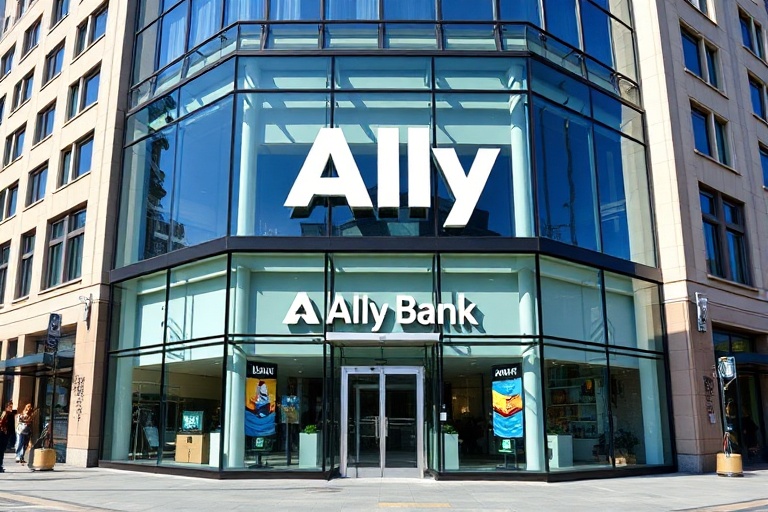
Ally Bank emerged in 2009 as a direct banking arm of General Motors Acceptance Corporation (GMAC), later rebranding entirely under the Ally name. Unlike traditional banks with physical branches, Ally operates as an online-only institution, leveraging technology to offer competitive rates and streamlined services. The bank’s origins trace back to automotive financing, but its pivot to digital banking positioned it as a pioneer in the fintech space.
The financial crisis of 2008 reshaped consumer trust in traditional banking institutions. Ally Bank capitalized on this skepticism by positioning itself as a transparent, customer-first alternative. Its no-fee structure, high-yield savings accounts, and 24/7 customer service became hallmarks of its appeal. Today, Ally serves millions of customers, proving that digital-first models can compete—and even outperform—legacy banks.
Key Differentiators of Ally Bank
- No Physical Branches: Ally eliminates overhead costs associated with brick-and-mortar locations, passing savings to customers through better rates and lower fees.
- 24/7 Customer Service: Unlike many online banks, Ally offers round-the-clock support via phone, chat, and email, addressing a common pain point for digital-only institutions.
- Transparent Fee Structure: With no monthly maintenance fees, minimum balance requirements, or overdraft charges, Ally prioritizes simplicity and fairness.
- Innovative Financial Tools: The bank integrates budgeting tools, real-time transaction alerts, and AI-driven insights to help users manage finances more effectively.
Product Offerings: Beyond the Basics
Ally Bank’s product lineup extends far beyond standard savings and checking accounts. While its high-yield savings account consistently ranks among the top in the industry, the bank also offers certificates of deposit (CDs), money market accounts, IRAs, and even investment services through Ally Invest. This diversification allows customers to consolidate their financial needs under one digital roof.
One standout feature is Ally’s Surprise Savings tool, which analyzes spending patterns and automatically transfers small amounts into savings. This gamified approach to saving resonates with younger, tech-savvy consumers who prioritize convenience and automation. Additionally, Ally’s CoverDraft service provides overdraft protection with no fees, a rare offering in the banking industry.
Comparing Ally to Traditional Banks
The contrast between Ally and traditional banks highlights broader shifts in consumer preferences. Below are some critical differences:
- Interest Rates: Ally’s savings accounts often yield rates 10-20 times higher than the national average at traditional banks.
- Fee Transparency: Traditional banks frequently charge hidden fees for overdrafts, minimum balances, and account maintenance—Ally’s fee structure is straightforward.
- Accessibility: While traditional banks rely on physical locations, Ally’s mobile app and website provide seamless digital access, with features like mobile check deposit and Zelle integration.
- Customer Experience: Ally’s focus on digital innovation means faster transactions, fewer paperwork hassles, and more personalized financial insights.
Challenges and Criticisms
Despite its advantages, Ally Bank faces challenges inherent to online-only banking. The lack of physical branches can deter customers who prefer in-person interactions, particularly for complex financial needs like mortgages or business loans. While Ally does offer mortgage lending, its digital-first model may not suit everyone’s preferences.
Another criticism involves customer service consistency. While Ally’s 24/7 support is a selling point, some users report variability in response times and resolution effectiveness. The bank’s reliance on automated systems can sometimes lead to frustration when issues require human intervention. Additionally, as a digital-only bank, Ally is vulnerable to cybersecurity threats, though it employs robust encryption and fraud detection measures.
The Broader Implications for Digital Banking
Ally Bank’s success underscores a broader trend: the decline of traditional banking in favor of digital-first alternatives. According to a 2023 report by McKinsey, nearly 70% of consumers now prefer digital banking tools for everyday transactions. This shift has forced legacy banks to invest heavily in technology, leading to the rise of hybrid models that blend physical and digital services.
The implications extend beyond consumer convenience. Digital banks like Ally contribute to financial inclusion by offering services to underserved populations, such as gig workers or unbanked individuals. Their lower overhead costs allow for more competitive pricing, which can democratize access to financial products. However, the lack of physical branches also limits their ability to provide certain services, such as notary or safe deposit boxes.
Is Ally Bank Right for You?
Deciding whether to switch to Ally Bank depends on individual financial habits and priorities. For those who value high interest rates, low fees, and digital convenience, Ally is an excellent choice. Its user-friendly platform and innovative tools make it particularly appealing to millennials, Gen Z, and tech-savvy professionals.
However, customers who rely on in-person banking or need specialized financial services may find Ally lacking. Traditional banks still hold an edge in areas like commercial lending, wealth management, and complex mortgage processes. Ultimately, the best banking solution may involve a mix of digital and traditional services, depending on one’s needs.
Final Verdict
Ally Bank represents the future of consumer banking—a model that prioritizes transparency, innovation, and customer-centric design. While it may not replace traditional banks entirely, its influence is undeniable. As fintech continues to evolve, institutions like Ally will shape the industry’s trajectory, pushing both digital and legacy banks to adapt.
For those ready to embrace a fully digital banking experience, Ally offers a compelling alternative. Its commitment to fairness, innovation, and customer service sets a high bar for the industry. Whether you’re a seasoned investor or a first-time account holder, Ally Bank provides a modern solution for managing your finances.
For more insights on digital banking trends, explore our Technology section. To compare Ally Bank with other online financial institutions, check out our Finance category.