What Are Bleachers? More Than Just Seating
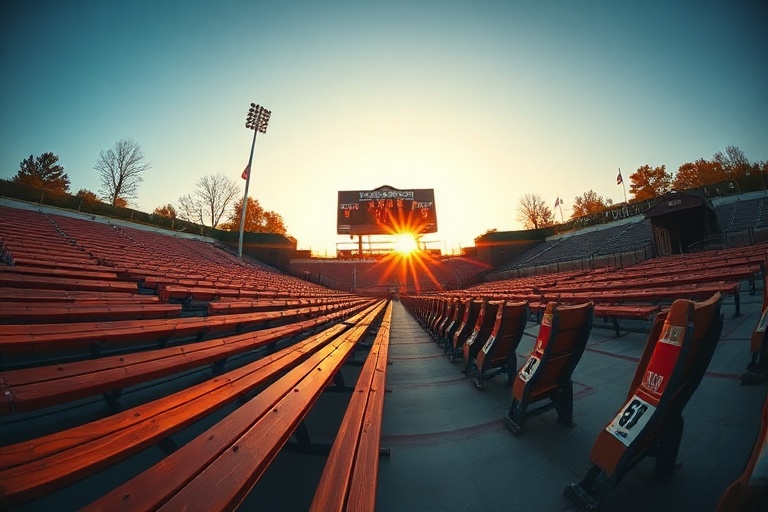
The term bleachers refers to the tiered rows of benches or platforms that provide seating for spectators at sports venues, concerts, and public events. Often elevated and made of wood or metal, these structures are designed to maximize visibility while accommodating large crowds in a compact space. Their design prioritizes function over comfort, yet they remain a defining feature of outdoor stadiums worldwide.
While bleachers are commonly associated with baseball fields and football stadiums in the United States, their presence extends far beyond American borders. From cricket grounds in India to football pitches in Europe, these seating arrangements serve as a universal solution for crowd management. Their simplicity contrasts sharply with the modern luxury suites found in newer stadiums, yet they hold a cultural significance that transcends mere functionality.
A Brief History of Bleachers in Sports Culture
The origins of bleachers can be traced back to the 19th century, when organized sports began gaining popularity in Europe and North America. Early sporting events often lacked permanent infrastructure, so temporary wooden benches were erected to allow spectators to watch matches comfortably. The term “bleachers” itself emerged in the United States during the 1870s, derived from the Middle English word “bleach,” referring to the pale color of the wooden planks used in construction.
By the early 20th century, bleachers had become a staple in American high school and college sports. Their affordability made them ideal for communities with limited budgets, ensuring that even small-town teams could host games with adequate seating. The design evolved over time, with metal bleachers replacing wooden ones for durability. However, the core purpose remained unchanged: to provide unobstructed views for fans while keeping costs low for organizers.
In Europe, bleachers took on a different character. British football (soccer) stadiums, for instance, featured steep, terraced stands that became iconic symbols of working-class fandom. These structures were often built into hillsides, creating natural amphitheaters that amplified crowd noise and energy. The contrast between American bleachers and European terraces highlights how seating arrangements reflect broader cultural attitudes toward sports and spectatorship.
Bleachers Around the World: A Global Perspective
The design and role of bleachers vary significantly across different regions, shaped by local traditions, climate, and economic factors. In Japan, for example, baseball stadiums feature meticulously organized bleachers that reflect the country’s emphasis on order and precision. Spectators are often assigned specific sections, and the seating is designed to encourage group participation, from coordinated cheers to synchronized waving of team colors.
In contrast, South American stadiums are known for their electric atmosphere, where bleachers become stages for passionate fan rituals. Brazilian football stadiums, such as Maracanã, have terraced bleachers that slope dramatically, creating a sense of intimacy between players and supporters. The noise, movement, and collective energy of these crowds are integral to the experience, transforming bleachers into extensions of the playing field.
In Africa, bleachers take on yet another form. Stadiums in countries like Nigeria and South Africa often blend traditional architecture with modern materials. For instance, the FNB Stadium in Johannesburg features a combination of concrete and steel bleachers that can hold over 90,000 spectators. The design incorporates local motifs and colors, reinforcing a sense of national pride. These stadiums are not just venues for sports; they are symbols of unity and resilience.
Climate also plays a significant role in the evolution of bleachers. In arid regions like the Middle East, stadiums are designed with shade structures integrated into the bleachers to protect fans from the scorching sun. In colder climates, such as Scandinavia, heated seating or enclosed terraces are common, ensuring comfort during long winter matches. These adaptations demonstrate how bleachers are not static structures but dynamic elements that respond to environmental and cultural needs.
The Cultural Significance of Bleachers
Bleachers are more than just seating—they are stages for social interaction, communal bonding, and shared experiences. For many, sitting in the bleachers represents a rite of passage, whether it’s a child’s first little league game or a teenager’s first concert. The act of gathering in these spaces fosters a sense of belonging, as strangers become fellow supporters united by a common cause.
In the United States, bleachers are deeply embedded in the fabric of high school and college sports. Friday night football games, for instance, are as much about the halftime show and the marching band as they are about the game itself. The bleachers become a hub of activity, where students, parents, and alumni mingle, creating memories that last a lifetime. This communal aspect is less prominent in professional sports, where bleachers are often replaced by ticketed seating in luxury boxes.
Globally, bleachers serve as platforms for political and social expression. During the 2010 FIFA World Cup in South Africa, the bleachers of Soccer City Stadium became a canvas for activism, with fans using their platforms to voice concerns about social justice issues. Similarly, in Argentina, the bleachers of La Bombonera stadium in Buenos Aires are synonymous with the passionate support of Boca Juniors fans, who use their space to display banners and chants that reflect the team’s identity.
The emotional connection to bleachers is perhaps most evident in the way they are depicted in popular culture. Films like Remember the Titans and Rudy use bleachers as symbols of perseverance and teamwork, while music festivals often feature iconic bleacher setups that become part of the event’s legacy. Even in literature, bleachers are used as metaphors for growth and transformation, representing the journey from the bottom to the top of the social ladder.
Modern Challenges and Innovations
Despite their enduring popularity, bleachers face challenges in the modern era. Safety regulations, accessibility concerns, and the demand for comfort have led many venues to replace traditional bleachers with plastic or metal seating. However, this shift has sparked debates about the loss of authenticity and the commercialization of sports culture. Purists argue that modern seating lacks the raw energy and communal spirit of traditional bleachers.
In response, some stadiums are experimenting with hybrid designs that blend the affordability of bleachers with modern amenities. For example, the Tottenham Hotspur Stadium in London features retractable seating that can transform bleacher-style terraces into premium viewing areas. This innovation allows venues to cater to diverse audiences while preserving the essence of traditional bleachers.
Another challenge is the environmental impact of bleacher construction. Wooden bleachers, while nostalgic, require significant resources and maintenance. Many venues are now opting for recycled materials or modular designs that can be easily disassembled and repurposed. These sustainable practices reflect a growing awareness of the need to balance tradition with environmental responsibility.
The COVID-19 pandemic also highlighted the vulnerabilities of bleacher-based seating. Social distancing measures forced many venues to close or limit capacity, exposing the limitations of these structures in times of crisis. However, the pandemic also accelerated innovations, such as digital ticketing and contactless entry, which are now being integrated into traditional bleacher setups.
Why Bleachers Still Matter
In an age of digital streaming and virtual experiences, bleachers remain a tangible reminder of the power of live events. They are spaces where people come together, share emotions, and create lasting memories. Whether it’s the roar of a crowd at a football game or the collective gasp during a crucial penalty kick, bleachers amplify the energy of the moment in ways that screens cannot replicate.
For communities, bleachers are symbols of accessibility. They provide affordable seating for families, students, and fans who may not have the means to purchase premium tickets. This inclusivity ensures that sports and entertainment remain accessible to all, fostering a sense of equality and shared experience.
Ultimately, bleachers are more than just a place to sit—they are a testament to the enduring appeal of communal gatherings. In a world that often prioritizes isolation and individualism, these simple structures remind us of the joy found in shared experiences. They are the heartbeat of stadiums, the soul of concerts, and the foundation of countless unforgettable moments.
As long as there are events worth gathering for, bleachers will continue to play a vital role in shaping the way we experience the world.