Field Day: From School Games to Global Festivals Explained
“`html
Field Day: From Local Celebrations to Global Festivals
Field day is more than just a phrase—it’s a concept woven into the fabric of community gatherings, educational traditions, and even military exercises. Across continents, the term takes on different meanings, from spirited school events to large-scale music festivals. These diverse interpretations reveal how shared human experiences can adapt and evolve while retaining their core spirit of celebration and connection.
The phrase itself carries a sense of spontaneity and joy, whether it’s children racing through obstacle courses or crowds dancing under open skies. What unites these moments is the idea of stepping outside routine, embracing play, and fostering bonds within groups. This article explores how field days function as cultural touchstones, reflecting both local values and universal human desires for joy and togetherness.
The Origins and Evolution of Field Day Traditions
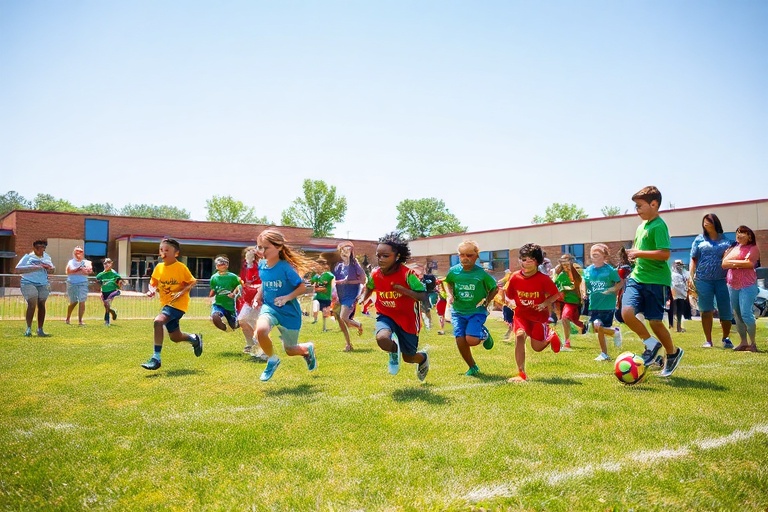
The concept of a field day traces its roots to 19th-century British military exercises, where troops trained in open fields to simulate real combat scenarios. Over time, the term expanded beyond the battlefield. In American schools by the early 20th century, field days became annual events celebrating physical education, teamwork, and school spirit. These gatherings often included races, relays, and tug-of-war contests, reinforcing values of discipline and camaraderie among students.
As societies modernized, so did the concept. In the 1960s and 1970s, music festivals like Woodstock redefined field day as a cultural experience. These events transformed open fields into stages for artistic expression, political dialogue, and communal living. The term “field day” began to symbolize not just competition, but creative freedom and collective identity. Today, the phrase spans from small-town fairs to internationally renowned festivals, each carrying the essence of outdoor celebration.
A Global Tapestry of Field Day Celebrations
Around the world, field day traditions take on unique flavors shaped by history, climate, and culture. In Japan, sports festivals known as undōkai are held in autumn, blending competitive games with cultural performances. Schools shut down for the day as communities gather to cheer for their children in events ranging from sack races to rhythmic gymnastics. These festivals emphasize harmony and parental involvement, reinforcing social ties.
In Scandinavia, particularly Sweden, idrottsdag (sports day) reflects the region’s emphasis on outdoor activities and wellness. During these events, participants of all ages engage in activities like orienteering, archery, and traditional games such as kubb. The focus on nature and movement aligns with the Nordic philosophy of friluftsliv—the love of open-air life. These celebrations are less about winning and more about participation and connection to the environment.
Meanwhile, in West Africa, the concept of field day is often embedded in festivals like Nigeria’s Eyo Festival, where processions and masquerades take place in open spaces. Though not athletic in nature, these events share the field day spirit of communal gathering, tradition, and collective expression. The use of public spaces underscores a shared cultural heritage where celebration is inseparable from space and place.
Field Day in Education: Building More Than Just Skills
In educational settings, field days remain a cornerstone of school culture, particularly in primary and secondary education. These events serve multiple purposes: they promote physical fitness, encourage teamwork, and provide a break from academic routine. For many students, field day is one of the few times they experience unstructured play in a structured school environment.
Research shows that such events can boost morale and reduce stress among students and teachers alike. They also offer opportunities for cross-grade interaction, fostering mentorship and community-building. However, modern field days are evolving. Some schools now incorporate mindfulness activities, art stations, or even STEM challenges alongside traditional sports, reflecting a broader shift toward holistic education.
Inclusion has also become a priority. Adaptive sports, sensory-friendly zones, and non-competitive activities ensure that all students can participate. This evolution mirrors broader societal changes, where the original competitive emphasis of field day is being balanced with accessibility and equity.
The Role of Field Day in Youth Development
Field days contribute to youth development in subtle but significant ways. They teach resilience through friendly competition, cooperation through team challenges, and leadership through peer encouragement. For children who may not excel in academics, field day can be a moment of recognition and confidence-building.
Psychologists note that unstructured play—like that found in field day events—supports cognitive and emotional growth. It allows children to experiment with risk, negotiate rules, and develop social skills. In an era where digital entertainment often dominates leisure time, field day offers a tangible reminder of the value of physical and communal play.
From Community to Commerce: The Rise of Music Field Days
Perhaps the most visible modern iteration of field day is the outdoor music festival. Events like Glastonbury in the UK, Coachella in the U.S., and Tomorrowland in Belgium have turned open fields into global destinations. These festivals blend art, commerce, and culture, attracting hundreds of thousands of attendees each year.
What sets these events apart is their ability to create temporary cities. Attendees camp on-site, form communities, and share experiences that transcend language and borders. The field becomes a stage, a marketplace, and a social hub—all at once. For many, these festivals represent the pinnacle of field day culture: a celebration of creativity, freedom, and connection.
Yet, the commercialization of field day events has sparked debate. Critics argue that rising ticket prices and corporate sponsorships dilute the original spirit of community and spontaneity. Others counter that these festivals democratize access to art and culture, bringing together diverse audiences who might never interact otherwise.
Sustainability and the Future of Field Day Festivals
As climate change becomes a growing concern, the environmental impact of large-scale field day events is under scrutiny. Festivals are increasingly adopting green initiatives, such as waste reduction, renewable energy use, and carbon offset programs. Some events now ban single-use plastics and encourage attendees to use public transport or carpooling.
Innovations like solar-powered stages, water refill stations, and composting facilities are becoming standard. These changes reflect a broader cultural shift toward sustainability, where the joy of celebration is balanced with responsibility. The challenge for future field day organizers will be to maintain the magic of these gatherings while minimizing their ecological footprint.
Field Day as a Metaphor for Human Connection
Beyond its literal interpretations, field day serves as a metaphor for moments of collective joy and shared purpose. Whether it’s a village festival, a school tournament, or a music festival, these events remind us of our shared humanity. They are spaces where differences dissolve, and common ground is found—not through agreement, but through experience.
In an increasingly fragmented world, the idea of gathering in a field—literally or metaphorically—offers a powerful antidote. It’s a call to pause, to play, and to connect. Field day, in all its forms, is a celebration of life’s simple pleasures: movement, music, and the company of others.
What’s Next for Field Day Culture?
The future of field day lies in its adaptability. As societies change, so too will the ways we celebrate. Virtual field days, hybrid events combining online and offline experiences, and community-driven festivals are already emerging. The core idea remains intact: the field is a stage for human expression, and the day is an opportunity to step outside the ordinary.
What will not change is the human need for these moments. Whether in a rural village or a sprawling metropolis, people will always seek spaces where joy is collective, play is encouraged, and connection is cultivated. Field day, in all its forms, will continue to evolve—but its spirit will endure.
As we look ahead, let us remember that the field is not just a location. It’s a state of mind—a place where barriers fall, creativity flourishes, and communities thrive. And that, perhaps, is the most enduring legacy of the field day tradition.