As the calendar turns toward 2026, Memorial Day continues to evolve beyond its origins as a day of remembrance into a broader reflection on national identity, military service, and community values. The holiday, observed on the last Monday of May, carries deep significance for millions of Americans, yet its observance changes with each generation.
The Historical Roots and Modern Observance
Memorial Day traces its origins to the Civil War era, when communities began holding springtime tributes to fallen soldiers. Originally called Decoration Day, the tradition spread across the country as a way to honor those who died in military service while decorating graves with flowers and flags. By the early 20th century, the holiday expanded to include all American military personnel who died in service, not just those from the Civil War.
In 2026, the observance of Memorial Day will reflect a blend of tradition and transformation. While many Americans will gather for barbecues and family gatherings—a long-standing cultural shift from its solemn roots—the National Moment of Remembrance remains a powerful unifying act. At 3:00 p.m. local time, Americans are encouraged to pause for one minute of silence to honor the fallen. This practice, established by federal law in 2000, has grown in observance, particularly among younger generations who seek meaningful ways to connect with history.
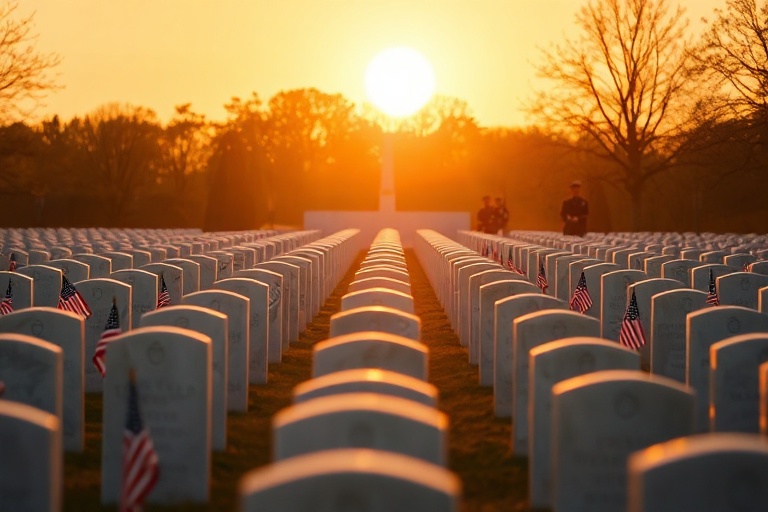
Public ceremonies at national cemeteries, including Arlington and Gettysburg, will continue to serve as focal points. Veterans’ organizations and local municipalities will host parades, memorial services, and educational programs, especially in areas with strong military presence. These events not only honor the past but also reinforce the values of service and sacrifice that define Memorial Day’s enduring purpose.
Changing Public Perception and Generational Shifts
One of the most notable trends in recent years is the changing perception of Memorial Day among younger Americans. Surveys indicate that while many millennials and Gen Z adults understand the holiday’s origins, they often associate it more with the unofficial start of summer than with its original intent. This shift presents both a challenge and an opportunity for educators, veterans’ groups, and cultural institutions.
The rise of social media has also transformed how Memorial Day is observed. Hashtags such as #NeverForget and #MemorialDay2026 encourage users to share stories, photos, and tributes online. While this digital engagement helps keep the memory of fallen service members alive, it also raises questions about the depth of reflection versus performative participation. The challenge for communities in 2026 will be to foster authentic connections to the holiday’s meaning amid the noise of commercial messaging and seasonal promotions.
Key Observances and Community Initiatives in 2026
To help guide meaningful participation, several organizations have outlined recommended ways to observe Memorial Day in 2026:
- Attend Local Ceremonies: Support parades, memorial services, and wreath-laying events in your area. These gatherings often include veterans, active-duty personnel, and families of the fallen.
- Visit a Cemetery or Memorial: Place flowers, flags, or personal mementos at gravesites. Consider volunteering with groups that maintain military cemeteries.
- Observe the National Moment of Remembrance: Pause at 3:00 p.m. on May 25, 2026, to reflect, regardless of where you are.
- Support Military Families: Donate to organizations that assist veterans and their families, or participate in community drives for care packages and support services.
- Educate Through Storytelling: Share the stories of service members—through family histories, local archives, or digital platforms—to keep their legacies alive.
Broader Implications: Memorial Day in a Changing Society
The observance of Memorial Day in 2026 occurs against the backdrop of a nation grappling with questions of identity, service, and civic responsibility. With ongoing global conflicts and domestic political divisions, the holiday takes on renewed significance as a moment to consider the cost of freedom and the responsibilities of citizenship.
In an era when military service is no longer a universal experience, Memorial Day serves as a vital bridge between those who serve and those who benefit from their sacrifice. This disconnect presents an opportunity for dialogue. Schools, museums, and veteran-led organizations are increasingly using the holiday to foster conversations about patriotism, sacrifice, and the moral complexities of war.
Additionally, Memorial Day intersects with broader conversations about mental health and veteran support. The holiday often highlights the challenges faced by returning service members, including PTSD, reintegration, and access to care. Advocacy groups are using the platform of Memorial Day to push for policy changes and community resources that address these ongoing needs.
Looking Ahead: The Future of Memorial Day
As we approach 2026, Memorial Day stands at a crossroads between tradition and innovation. While the core purpose—honoring those who died in service—remains unchanged, the ways in which communities engage with the holiday are evolving. The challenge for future observances will be to balance celebration with solemnity, engagement with reflection, and national pride with personal connection.
Technology will continue to play a role in shaping how Memorial Day is remembered. Virtual reality experiences that recreate historic battles or memorial sites may offer new ways for younger generations to connect with the past. Augmented reality filters and interactive maps could help users locate nearby memorials or learn about local veterans. While these innovations can enhance understanding, they must not overshadow the human element of remembrance.
Ultimately, Memorial Day’s strength lies in its adaptability. It is a holiday that belongs to all Americans—not just the military or the older generations—yet it demands something deeply personal from each of us: a moment of gratitude, a pause in our busy lives, and a commitment to uphold the values for which so many gave everything.
As Memorial Day 2026 approaches, let us reflect not only on the sacrifices of the past but also on our shared responsibility to honor them meaningfully in the present. Whether through participation in a local ceremony, a quiet moment of reflection, or a conversation with a veteran, every act of remembrance helps ensure that the legacy of service and sacrifice endures.
For more on how Memorial Day intersects with American culture and civic life, explore our Culture and News sections for ongoing analysis and updates.