The US Army Corps of Engineers (USACE) stands as one of the most enduring and influential federal agencies in American history. With roots dating back to 1779, this organization has shaped the nation’s infrastructure, environmental policies, and disaster response strategies for over two centuries. More than just a construction arm of the military, USACE operates as a civilian agency with a dual mission: delivering vital engineering services to the Army and the nation while supporting economic growth and environmental sustainability.
Historical Foundations and Evolution
The origins of USACE trace back to the Revolutionary War, when General George Washington appointed an engineer to fortify West Point. By 1802, Congress formalized the organization as part of the newly established United States Military Academy. Over time, USACE expanded its role beyond military fortifications to include infrastructure projects critical to national development.
During the 19th and early 20th centuries, USACE played a pivotal role in building the nation’s waterways, harbors, and canals. Projects like the Panama Canal and the Hoover Dam demonstrated its engineering prowess. The agency’s expertise in flood control became particularly vital after the devastating 1927 Mississippi River flood, leading to the creation of the Mississippi River and Tributaries Project.
A Legacy of Infrastructure
USACE’s contributions to American infrastructure are vast and varied. Some of its most notable achievements include:
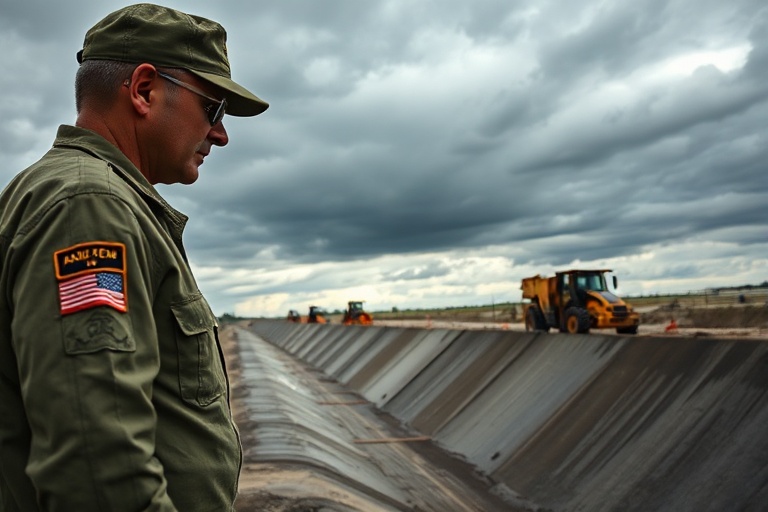
- Water Resource Management: The agency designs, constructs, and maintains dams, levees, and reservoirs that provide hydroelectric power, drinking water, and flood protection to millions of Americans.
- Navigation Systems: USACE maintains over 12,000 miles of inland waterways and 240 locks that facilitate commerce and transportation, supporting industries worth billions annually.
- Environmental Restoration: Through initiatives like the Everglades restoration project, USACE balances development with ecological preservation, ensuring sustainable ecosystems for future generations.
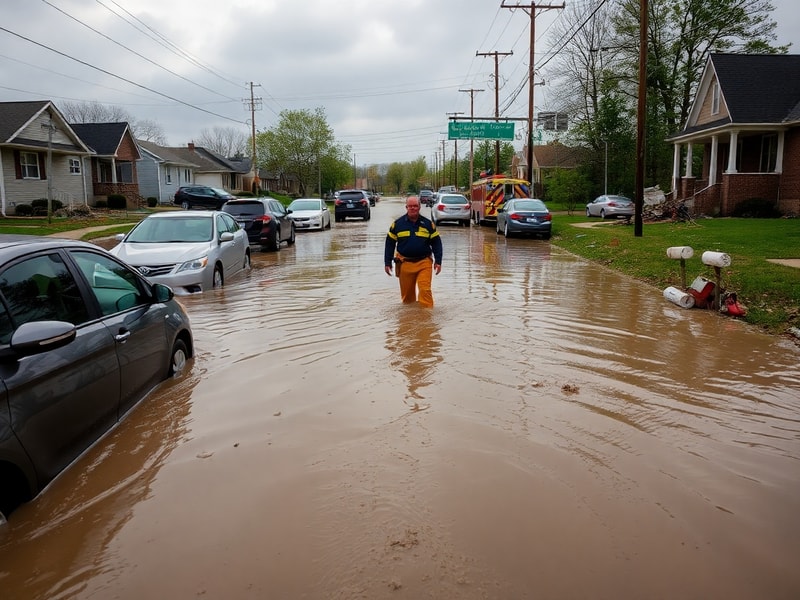
- Disaster Response: The agency’s emergency operations teams provide critical support during hurricanes, floods, and other natural disasters, often serving as first responders in crisis situations.
These projects not only showcase USACE’s technical capabilities but also highlight its role in shaping the nation’s economic and environmental landscape. The agency’s work ensures that communities across the country remain resilient in the face of both natural and man-made challenges.
Modern Challenges and Strategic Initiatives
In the 21st century, USACE faces a new set of challenges that require innovative solutions and forward-thinking strategies. Climate change, aging infrastructure, and evolving national security threats demand a reimagining of traditional engineering practices.
Climate Resilience and Sustainability
Rising sea levels, increased storm intensity, and prolonged droughts pose significant threats to America’s infrastructure and ecosystems. USACE has responded by prioritizing climate resilience in its projects, integrating adaptive measures that account for future environmental changes. For example, the agency’s Science and Technology divisions are developing cutting-edge tools like predictive modeling and real-time monitoring systems to enhance disaster preparedness.
Sustainability has also become a cornerstone of USACE’s modern initiatives. The agency has committed to reducing its carbon footprint through energy-efficient designs, renewable energy integration, and sustainable materials. Projects like the restoration of coastal wetlands not only protect shorelines from erosion but also sequester carbon, contributing to broader climate goals.
Cybersecurity and National Security
As critical infrastructure becomes increasingly digitized, cybersecurity has emerged as a top priority for USACE. The agency manages vast networks of dams, power plants, and water treatment facilities, making them potential targets for cyber threats. USACE collaborates with the Department of Homeland Security, the National Security Agency, and private sector partners to safeguard these systems against digital attacks.
In addition to cybersecurity, USACE plays a crucial role in supporting military operations overseas. Its engineers are deployed to conflict zones to build and repair infrastructure, ensuring that troops have access to essential resources like clean water, electricity, and secure facilities. This dual mission—serving both civilian and military needs—underscores the agency’s versatility and adaptability.
Controversies and Public Perception
Despite its many achievements, USACE has not been without controversy. Critics argue that some of its projects have had unintended environmental consequences, such as habitat destruction or disrupted natural water flows. The construction of dams, for instance, has been linked to the decline of fish populations and the alteration of river ecosystems.
Public perception of USACE is often shaped by high-profile projects that either succeed or fail spectacularly. The agency’s role in the construction of the Herbert Hoover Dike in Florida, which has faced criticism for its aging infrastructure, highlights the challenges of maintaining decades-old systems. Conversely, the restoration of the Los Angeles River, which transformed a concrete channel into a vibrant urban green space, demonstrates USACE’s ability to balance development with environmental stewardship.
Transparency and Accountability
In recent years, USACE has faced calls for greater transparency in its decision-making processes. The agency has responded by increasing public engagement through initiatives like the Politics and Education outreach programs. These efforts aim to involve local communities in project planning, ensuring that their voices are heard and their concerns addressed.
Moreover, USACE has implemented rigorous environmental impact assessments to minimize negative consequences. By collaborating with scientists, policymakers, and advocacy groups, the agency seeks to strike a balance between progress and preservation, a challenge that grows more complex with each passing year.
Looking Ahead: The Future of USACE
The US Army Corps of Engineers stands at a crossroads, tasked with addressing the demands of a rapidly changing world. As the nation grapples with the impacts of climate change, technological disruption, and evolving security threats, USACE’s role will only grow more critical. The agency’s ability to innovate, adapt, and collaborate will determine its success in meeting these challenges.
Embracing Innovation
Innovation will be key to USACE’s future. The agency is increasingly turning to emerging technologies like artificial intelligence, drone surveillance, and advanced materials to enhance its operations. For example, AI-driven predictive analytics can help forecast flood risks with greater accuracy, while drones can monitor remote infrastructure without the need for costly manned inspections.
USACE is also exploring new partnerships with private sector firms, academic institutions, and international organizations. These collaborations foster knowledge-sharing and accelerate the development of breakthrough solutions. The agency’s involvement in global engineering initiatives, such as the United Nations’ Sustainable Development Goals, further underscores its commitment to addressing worldwide challenges.
A Lasting Legacy
As USACE approaches its third century of service, its legacy remains secure. From the canals of the 19th century to the smart infrastructure of the 21st, the agency has consistently demonstrated its ability to meet the nation’s evolving needs. Looking ahead, USACE will continue to serve as a vital force in engineering the future—one project, one community, and one innovation at a time.
For those interested in learning more about the intersection of engineering, policy, and innovation, Science and Technology sections on Dave’s Locker offer deeper insights into the broader implications of USACE’s work.