Merritt Island, a 37-mile stretch of barrier island along Florida’s Atlantic coast, offers a unique blend of natural beauty and technological achievement. Located between Cape Canaveral and New Smyrna Beach, this area serves as a gateway to Kennedy Space Center while harboring one of the most biodiverse ecosystems in North America.
The island’s strategic location made it an ideal site for America’s early space program. In 1962, NASA established what would become the Kennedy Space Center on Merritt Island’s western edge. This decision transformed the area from a quiet backwater to a hub of innovation and exploration.
The Space Coast Connection
Merritt Island’s most famous neighbor is undoubtedly Kennedy Space Center, which occupies 140,000 acres of the island’s western portion. The space center has been the launch site for every human spaceflight from the United States since 1968, including the Apollo missions to the moon and the Space Shuttle program.
The visitor complex offers an unparalleled look at space history, with exhibits that trace humanity’s journey beyond Earth’s atmosphere. The Apollo/Saturn V Center houses the massive Saturn V rocket, while the Space Shuttle Atlantis exhibit showcases the orbiter that completed 33 missions in space.
Beyond the visitor complex, the space center operates as NASA’s primary launch site. The Vehicle Assembly Building, one of the largest buildings in the world by volume, remains an iconic symbol of American space exploration. Merritt Island’s role in space history continues today with launches from both Kennedy Space Center and nearby Cape Canaveral Space Force Station.
Nature’s Sanctuary: The Merritt Island National Wildlife Refuge
While the space program put Merritt Island on the map, it’s the area’s natural wonders that keep visitors coming back. Established in 1963, the Merritt Island National Wildlife Refuge covers more than 140,000 acres of coastal habitat, making it one of the largest protected areas in Florida.
The refuge encompasses salt marshes, hardwood hammocks, pine flatwoods, and 31 miles of pristine Atlantic coastline. This diverse ecosystem supports more than 1,000 species of plants and animals, including 350 species of birds. The refuge is particularly renowned for its wintering population of bald eagles, with over 500 individuals making it one of the densest concentrations in the United States.
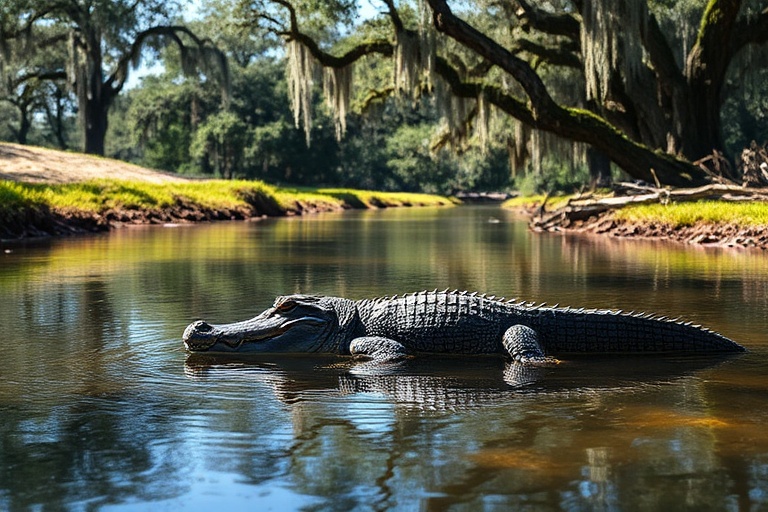
- Black Point Wildlife Drive: A 7-mile paved loop offering some of the best wildlife viewing on the refuge. Visitors regularly spot alligators, manatees, otters, and numerous bird species.
- Black Point Pool: A freshwater pond that attracts a variety of wading birds, including herons, egrets, and ibises.
- Canaveral National Seashore: Located on the eastern side of the island, this 24-mile stretch of undeveloped beach is part of the refuge and offers pristine conditions for swimming, fishing, and shelling.
- Pelican Island: The nation’s first wildlife refuge, established in 1903, protects this small island and surrounding waters, critical habitat for brown pelicans and other colonial nesting birds.
The refuge’s management presents an interesting balance between conservation and public access. While the area remains protected, carefully managed activities allow visitors to experience its wonders firsthand. This approach has made Merritt Island a model for sustainable ecotourism.
Living on Merritt Island: Community and Economy
Merritt Island’s permanent population of around 35,000 residents enjoys a unique lifestyle that blends small-town charm with access to major metropolitan areas. The island is part of Brevard County and is served by the Titusville metropolitan area to the northwest.
The local economy has traditionally been tied to the space program, tourism, and fishing industries. However, recent years have seen diversification into technology and aerospace sectors. The presence of major aerospace companies like Lockheed Martin and Northrop Grumman has created new employment opportunities beyond NASA’s operations.
Residential development on Merritt Island reflects its natural setting. Many neighborhoods are built around waterways, with canals providing direct access to the Indian River Lagoon and Atlantic Ocean. The island’s topography is generally flat, with elevations rarely exceeding 10 feet above sea level.
Community life centers around several key areas:
- Merritt Island Shopping Center: The island’s primary retail hub, offering a mix of national chains and local businesses.
- Cocoa Village: Located just across the causeway to the south, this charming historic district offers restaurants, art galleries, and boutique shops.
- Titusville: To the northwest, this larger city provides additional amenities including medical facilities, higher education options, and entertainment venues.
The island’s transportation infrastructure includes State Road 528 (the Bee Line Expressway) which provides a direct connection to Orlando International Airport, about 45 minutes to the southwest. The presence of this major artery has made Merritt Island increasingly accessible to visitors and new residents alike.
Outdoor Recreation and Attractions
Merritt Island offers an embarrassment of riches for outdoor enthusiasts. The area’s waterways provide exceptional opportunities for kayaking, paddleboarding, fishing, and boating. The Indian River Lagoon, which borders the island to the west, is one of the most biologically productive estuaries in North America.
Several outfitters on the island offer guided eco-tours, including kayak excursions through the mangrove tunnels of the lagoon. These tours provide intimate encounters with wildlife while highlighting the importance of coastal ecosystems.
For those interested in fishing, Merritt Island is a prime destination. The waters around the island hold populations of redfish, snook, trout, tarpon, and even the occasional bull shark. The annual Space Coast Tarpon Tournament attracts anglers from across the country.
Additional recreational opportunities include:
- Golf: Several championship courses including the 36-hole Turtle Creek Country Club and the public Wickham Park Golf Course.
- Biking: The Westfield Sportsman’s Club offers mountain biking trails through pine forests and wetlands.
- Birdwatching: In addition to the refuge, the Merritt Island Pine Flatwoods provide habitat for numerous species including the Florida scrub-jay, a threatened species found only in Florida.
- Beaches: While the Atlantic side offers surfing and swimming, the calmer waters of the lagoon side provide ideal conditions for families with young children.
The island’s proximity to other attractions in Central Florida adds to its appeal. Kennedy Space Center Visitor Complex is just minutes away, while Orlando’s theme parks are about an hour’s drive to the southwest. This combination of natural beauty and man-made marvels makes Merritt Island a compelling destination for all types of travelers.
A Sustainable Future
Merritt Island faces challenges common to coastal communities in Florida, including rising sea levels, habitat loss, and the pressures of development. However, the island has positioned itself at the forefront of conservation and sustainable tourism efforts.
The Canaveral National Seashore and Merritt Island National Wildlife Refuge work in concert with local organizations to protect critical habitats while allowing responsible public access. The St. Johns River Water Management District plays a crucial role in managing water resources and protecting water quality in the Indian River Lagoon.
Efforts to combat invasive species, particularly Brazilian pepper and Australian pine, have been ongoing for decades. These non-native plants threaten to crowd out native species that support the island’s diverse wildlife. Community volunteer programs engage residents and visitors in restoration projects throughout the year.
The space program’s future also presents both challenges and opportunities. As commercial spaceflight operations expand, there’s growing concern about light pollution and rocket launch debris affecting wildlife. However, the space industry has also become a major funder of environmental research and conservation initiatives on the Space Coast.
Merritt Island’s ability to balance these competing interests will determine its future character. The island’s experience offers valuable lessons for other communities straddling the line between technological advancement and environmental preservation.
For visitors and residents alike, Merritt Island represents the best of Florida’s dual identity: a place where cutting-edge technology coexists with ancient natural processes. Whether watching an Atlas V rocket lift off from Cape Canaveral, spotting a bald eagle in the wild, or simply enjoying the tranquility of an undeveloped beach, the island offers experiences that stay with you long after you’ve returned home.