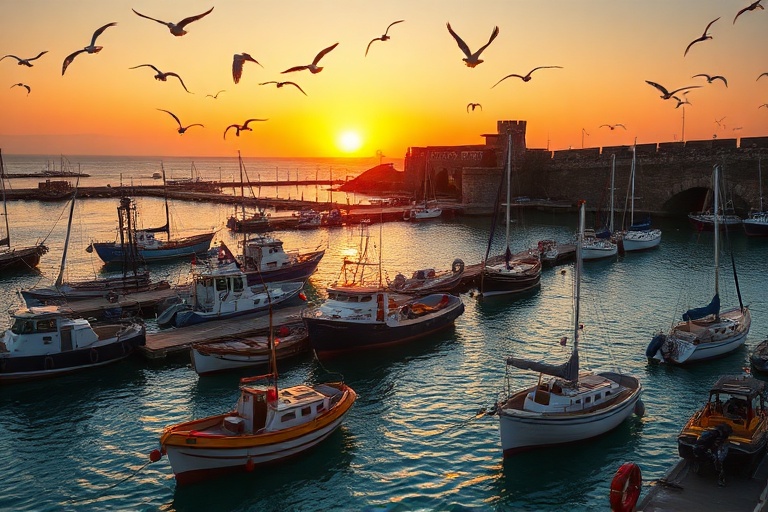
Weymouth: A Coastal Town’s History, Culture, and Future
“`html
Weymouth Through the Ages: A Coastal Town’s Enduring Legacy
Weymouth, a seaside town on England’s south coast, has long been more than just a postcard-perfect destination. Its history stretches back to Roman times, its maritime culture has shaped global trade, and its modern identity blends tradition with contemporary vibrancy. From its role in the Napoleonic Wars to its status today as a hub for tourism and marine research, Weymouth’s story reflects broader shifts in British and global history.
The town’s origins trace back to the 1st century AD when the Romans established a settlement here, drawn by the natural harbor’s strategic value. By the medieval period, Weymouth had grown into a key port, facilitating trade between England and continental Europe. Its location made it a witness to pivotal moments, including the arrival of Dutch forces in 1665 during the Second Anglo-Dutch War. Even today, the echoes of this past linger in the town’s architecture and cultural fabric.
The Golden Age of Weymouth: Tourism and Royal Favor
Weymouth’s transformation into a leisure destination began in earnest in the late 18th century when King George III first visited in 1789. The monarch’s frequent stays—spanning nearly four decades—elevated Weymouth’s profile, attracting aristocrats and commoners alike. The Royal Crescent, built in 1799, remains a testament to this era, its Georgian facades lining the seafront still standing as architectural landmarks.
The town’s rise as a seaside resort paralleled broader trends in European tourism. Bath, Brighton, and Weymouth became synonymous with health, leisure, and socializing, reflecting Enlightenment ideals of wellness and community. Weymouth’s natural harbor and sandy beaches offered a stark contrast to the industrial cities of the north, providing a retreat for those seeking respite from urban life. The arrival of the railway in 1845 further cemented its reputation, making it accessible to a growing middle class.
By the Victorian era, Weymouth had become a microcosm of British leisure culture. Punch and Judy shows, donkey rides, and brass band performances became staples of its summer season. The town’s pier, opened in 1867, extended its allure, offering a vantage point for the grand spectacle of the Royal Navy’s annual fleet reviews—a tradition that underscored Britain’s global naval dominance.
Weymouth in the Modern Era: Challenges and Reinvention
The 20th century brought both decline and renewal to Weymouth. The decline of traditional industries like fishing and shipbuilding forced the town to adapt, while the rise of package holidays in the 1960s and 70s threatened its tourism-driven economy. The closure of local dockyards in the 1990s marked another turning point, leaving behind a legacy of economic uncertainty.
Yet, Weymouth’s resilience has been its defining trait. In recent decades, the town has reinvented itself as a center for marine research and education. The establishment of the Weymouth and Portland National Sailing Academy in 2000, built for the 2012 Olympic sailing events, breathed new life into the local economy. The academy’s facilities now attract athletes and tourists alike, hosting international competitions and offering public access to its state-of-the-art amenities.
The town’s cultural scene has also flourished. The Weymouth Pavilion, a historic theater on the seafront, has undergone multiple renovations to become a year-round venue for live performances, comedy, and music. Meanwhile, the annual Weymouth Festival celebrates the town’s maritime heritage with a mix of traditional and contemporary events, from sea shanty competitions to modern art installations.
A Global Perspective: Weymouth’s Place in the World
Weymouth’s story is not isolated; it mirrors broader patterns in coastal towns worldwide. From the Mediterranean’s Amalfi Coast to the Pacific’s Santa Monica, seaside communities have long grappled with the dual pressures of tourism and environmental change. Weymouth’s experience offers lessons for other towns facing similar challenges.
One such challenge is climate change. Rising sea levels and coastal erosion pose existential threats to Weymouth, as they do to many low-lying coastal towns. The town has responded with a mix of adaptation and mitigation strategies, including flood defenses and sustainable tourism initiatives. The Weymouth Beach Management Scheme, for example, aims to protect the coastline while preserving the town’s appeal as a tourist destination.
Weymouth’s global connections extend beyond environmental concerns. The town’s maritime history is intertwined with colonial trade, including the transatlantic slave trade—a dark chapter that has only recently begun to receive public attention. Local historians and activists have worked to uncover and acknowledge this history, ensuring that Weymouth’s legacy is understood in its entirety. Exhibitions at the Weymouth Museum now include displays on the town’s role in the slave trade, alongside its more celebrated maritime achievements.
What’s Next for Weymouth?
As Weymouth looks to the future, it faces a landscape shaped by both opportunity and uncertainty. The town’s designation as a “super port” in the government’s 2020 Maritime 2050 strategy could position it as a key player in post-Brexit trade. Yet, this potential comes with risks, including increased congestion and environmental strain. Balancing economic growth with sustainability will be critical.
For residents and visitors alike, Weymouth remains a place of contrasts. The town’s historic charm coexists with modern developments, from luxury waterfront apartments to community-led arts projects. Its maritime heritage is both a source of pride and a reminder of the need for responsible stewardship. As the world grapples with the impacts of globalization and climate change, Weymouth’s journey offers a microcosm of resilience and adaptation.
Whether it’s the annual carnival, the bustling harbor, or the quiet lanes of its old town, Weymouth continues to evolve while holding onto its identity. Its story is far from over—and neither is its allure.