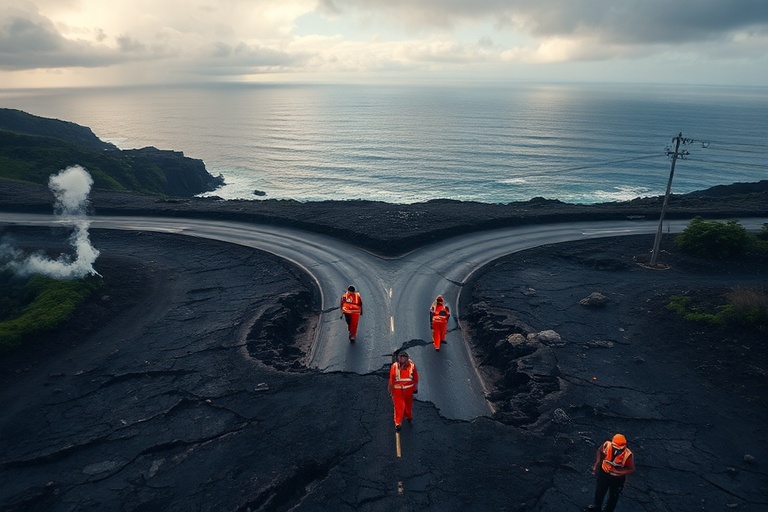
The Hawaiian Islands, known for their stunning landscapes and volcanic activity, also face significant seismic risks. Earthquakes in Hawaii are not uncommon due to the dynamic geological processes shaping the islands. Recent seismic events have once again highlighted the need for awareness and preparedness among residents and visitors alike.
The Geological Context of Earthquakes in Hawaii
Hawaii’s earthquakes are primarily driven by the movement of volcanic magma and the shifting of tectonic plates. The Hawaiian Islands sit atop the Pacific Plate, which moves over a volcanic hotspot. This movement creates stress and fractures in the Earth’s crust, leading to seismic activity.
Volcanic activity is a major contributor to earthquakes in Hawaii. When magma moves beneath the surface, it can cause the ground to shake. Additionally, the weight of the islands themselves can lead to subsidence and faulting, further increasing seismic risk.
Key Factors Contributing to Earthquakes in Hawaii
- Volcanic Activity: The movement of magma beneath the surface can trigger earthquakes, often preceding or accompanying volcanic eruptions.
- Tectonic Plate Movements: The Pacific Plate’s movement over the hotspot creates stress and fractures in the Earth’s crust.
- Fault Lines: Hawaii has numerous fault lines, including the Hilina Slump on the Big Island, which can generate significant seismic events.
- Human Activity: While less common, human activities such as geothermal energy extraction and groundwater extraction can also induce seismic activity.
Recent Earthquakes and Their Impact
In recent years, Hawaii has experienced several notable earthquakes that have caused widespread concern. One of the most significant events occurred in 2018, when a magnitude 6.9 earthquake struck the Big Island. This event was one of the strongest in Hawaii’s recorded history and caused significant damage to infrastructure and homes.
The 2018 earthquake was followed by a series of aftershocks, some of which exceeded magnitude 5.0. These events served as a stark reminder of the seismic risks faced by Hawaii’s residents and the importance of emergency preparedness.
Lessons Learned from Recent Seismic Events
- Infrastructure Vulnerability: The 2018 earthquake exposed vulnerabilities in Hawaii’s infrastructure, including roads, bridges, and buildings. Many structures were damaged or destroyed, highlighting the need for seismic retrofitting.
- Emergency Response: The event underscored the importance of a coordinated emergency response. Local authorities and emergency services worked tirelessly to ensure the safety of residents and visitors.
- Community Awareness: The earthquake served as a wake-up call for many residents, prompting increased interest in earthquake preparedness and emergency planning.
- Scientific Insights: The event provided valuable data for scientists studying seismic activity in Hawaii. Researchers continue to analyze the data to better understand the region’s seismic risks.
Preparing for Future Earthquakes in Hawaii
Given the ongoing seismic risks, it is crucial for residents and visitors to be prepared for future earthquakes. Preparedness can significantly reduce the impact of these events and ensure the safety of individuals and communities.
One of the most important steps in earthquake preparedness is creating an emergency plan. This plan should include a designated meeting place for family members, a list of emergency contacts, and a plan for evacuating if necessary. Residents should also ensure that their homes are equipped with emergency supplies, including food, water, and medical kits.
Essential Earthquake Preparedness Tips
- Create an Emergency Plan: Establish a meeting place, list emergency contacts, and plan for evacuation routes.
- Prepare an Emergency Kit: Stock up on essential supplies, including food, water, medical kits, and flashlights.
- Secure Your Home: Bolt down heavy furniture, secure water heaters, and install flexible gas lines to reduce the risk of damage.
- Stay Informed: Monitor local news and weather alerts for updates on seismic activity and emergency instructions.
- Practice Drills: Conduct regular earthquake drills with your family or household to ensure everyone knows what to do during an event.
Broader Implications and Future Considerations
The seismic risks faced by Hawaii have broader implications for the region’s economy, environment, and tourism industry. Earthquakes can disrupt critical infrastructure, including roads, ports, and utilities, leading to significant economic losses. Additionally, seismic events can trigger landslides and tsunamis, further exacerbating the impact on the islands.
Tourism, a cornerstone of Hawaii’s economy, is particularly vulnerable to seismic risks. Visitors may be deterred by concerns about safety and infrastructure damage, leading to a decline in tourism revenue. Local authorities and businesses must work together to address these concerns and promote resilience in the face of seismic risks.
From an environmental perspective, earthquakes can alter landscapes and ecosystems. The movement of magma and shifting tectonic plates can create new landforms, such as volcanic craters and lava flows. However, these events can also disrupt fragile ecosystems and threaten endangered species.
Scientists and policymakers must continue to study Hawaii’s seismic risks and develop strategies to mitigate their impact. This includes investing in seismic research, improving infrastructure resilience, and promoting community awareness and preparedness.
Policy and Research Priorities
- Invest in Seismic Research: Support scientific studies to better understand Hawaii’s seismic risks and develop predictive models.
- Improve Infrastructure Resilience: Retrofit critical infrastructure, including roads, bridges, and buildings, to withstand seismic events.
- Promote Community Awareness: Launch public education campaigns to inform residents and visitors about earthquake preparedness and emergency planning.
- Enhance Emergency Response: Strengthen coordination among local authorities, emergency services, and community organizations to ensure a swift and effective response to seismic events.
For those interested in learning more about Hawaii’s geological activity and natural hazards, the Science and Travel sections of Dave’s Locker offer valuable insights and resources.
Conclusion
Earthquakes in Hawaii are an inevitable consequence of the islands’ dynamic geological processes. While these events pose significant risks, they also provide opportunities for learning, preparedness, and resilience. By understanding the geological context of earthquakes, preparing for future events, and investing in research and infrastructure, Hawaii can mitigate the impact of seismic activity and ensure the safety and well-being of its residents and visitors.
The lessons learned from recent earthquakes serve as a reminder of the importance of community awareness and emergency planning. As Hawaii continues to evolve, it is crucial to prioritize resilience and preparedness to face the challenges posed by its unique geological landscape.