Pitcairn Island: Remote Paradise with Rich History and Challenges
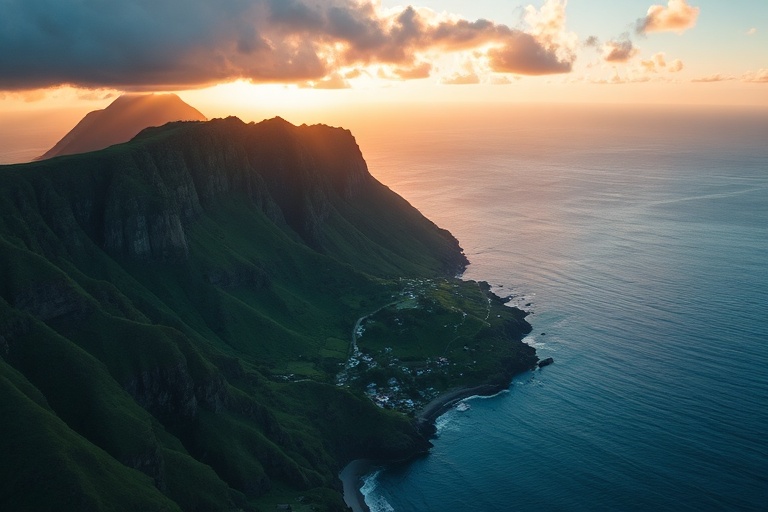
Tucked away in the vast expanse of the South Pacific Ocean, Pitcairn Island remains one of the most isolated yet intriguing destinations on Earth. Home to just a few dozen residents, this British Overseas Territory is a place where time seems to move differently. Its dramatic cliffs, lush valleys, and rich history make it a fascinating subject for explorers and historians alike.
The island’s remoteness has both preserved its unique culture and posed significant challenges for its inhabitants. From the descendants of the HMS Bounty mutineers to the modern struggles of sustaining a population, Pitcairn’s story is one of resilience and adaptation. Understanding this remote outpost requires looking beyond its idyllic surface to uncover the complexities beneath.
History and Heritage: The Legacy of the Bounty Mutineers
Pitcairn’s most famous chapter began in 1790 when nine mutineers from the HMS Bounty, led by Fletcher Christian, settled on the island along with a group of Tahitian men and women. The mutineers burned the Bounty to avoid detection, leaving them stranded in one of the most remote places imaginable. Their decision to settle on Pitcairn was driven by necessity, but it also led to the creation of a unique community that survives to this day.
The descendants of these original settlers still live on the island, maintaining a way of life that blends Polynesian and European traditions. Their history is preserved in the island’s few remaining structures, such as the restored 19th-century homes in Adamstown, the island’s only settlement. Visitors to Pitcairn often remark on the strong sense of community among the residents, a trait that has endured for over two centuries.
The island’s isolation has also made it a subject of fascination for outsiders. Archaeological discoveries, such as the remains of the Bounty and artifacts from the early settlement, continue to shed light on this pivotal moment in maritime history. For those interested in exploring more about maritime history, Dave’s Locker offers a collection of articles on historical expeditions that provide deeper context to Pitcairn’s place in global history.
Life on Pitcairn: Challenges and Community
Living on Pitcairn is not for the faint of heart. The island’s remoteness means that supplies, including food and fuel, must be shipped in regularly, often at great expense. Residents rely heavily on fishing and subsistence farming to supplement their diets, and internet access is limited to a single satellite connection. Despite these challenges, the community remains tight-knit, with many families having lived on the island for generations.
Education and healthcare are also significant concerns. The island’s school, which serves just a handful of students, operates with limited resources. Medical emergencies often require evacuation to New Zealand, a journey that can take several days. These logistical hurdles highlight the resilience of Pitcairn’s residents, who have adapted to a lifestyle that most people would find unimaginable.
Tourism, while limited, offers a glimpse into this unique way of life. Visitors are often struck by the island’s natural beauty, from its rugged coastline to its tranquil bays. However, the small number of tourists each year—typically fewer than 20—ensures that the island’s tranquility remains undisturbed. For those curious about remote living, Pitcairn serves as a compelling case study in sustainability and community.
Environmental Significance: A Biodiversity Hotspot
Beyond its human history, Pitcairn Island is an ecological treasure. The surrounding waters are home to some of the most pristine coral reefs in the world, teeming with marine life. The island is also a critical nesting site for seabirds, including the endangered Henderson petrel, which breeds nowhere else on Earth. These environmental assets have led to Pitcairn being designated as a Marine Protected Area, one of the largest in the world.
Efforts to preserve Pitcairn’s environment are ongoing. The island’s small population means that human impact is minimal, but invasive species pose a constant threat. Conservation programs focus on eradicating rats and other non-native animals that could disrupt the island’s delicate ecosystem. These initiatives are crucial for maintaining the island’s status as a biodiversity hotspot.
For those interested in environmental conservation, Pitcairn Island serves as a powerful example of how remote communities can coexist with nature. The island’s commitment to sustainability offers lessons that extend far beyond its shores. To learn more about conservation efforts in remote locations, visit Dave’s Locker’s science section, which covers a range of environmental topics.
The Future of Pitcairn: Sustainability and Survival
The future of Pitcairn Island hinges on its ability to adapt to changing circumstances. With a population of just over 50 people, the island faces the risk of decline due to emigration and an aging demographic. Efforts to attract new residents, such as offering land for sale to outsiders, have met with limited success. The challenge lies in balancing the island’s unique way of life with the need for economic viability.
Tourism and sustainable fishing are two potential avenues for growth. The island’s pristine environment and rich history could attract more visitors, provided that infrastructure is improved. However, any increase in tourism must be carefully managed to avoid disrupting the island’s delicate balance. Similarly, sustainable fishing practices could provide economic opportunities without harming the marine ecosystem.
Another consideration is the role of technology. While the island’s isolation has preserved its culture, it also limits access to modern conveniences. Initiatives to improve internet connectivity and renewable energy sources are underway, offering hope for a more sustainable future. These developments could help Pitcairn address its logistical challenges while preserving its unique identity.
Ultimately, Pitcairn Island’s future will depend on the resilience and determination of its residents. Their ability to adapt while maintaining the island’s cultural and environmental heritage will determine whether this remote paradise continues to thrive for generations to come.
Key Facts About Pitcairn Island
- Population: Approximately 50 residents, mostly descendants of the HMS Bounty mutineers.
- Location: Located in the South Pacific Ocean, about halfway between Peru and New Zealand.
- Size: Just 4.6 square kilometers (1.8 square miles).
- Language: English is the official language, with some Tahitian influences.
- Economy: Relies on fishing, subsistence farming, and limited tourism.
Pitcairn Island is more than just a remote dot on the map; it is a living testament to human resilience and adaptability. Its history, culture, and environment offer a window into a world that few will ever experience firsthand. As the world becomes increasingly interconnected, places like Pitcairn serve as a reminder of the beauty and challenges of isolation. For those willing to venture off the beaten path, Pitcairn Island remains a destination like no other.