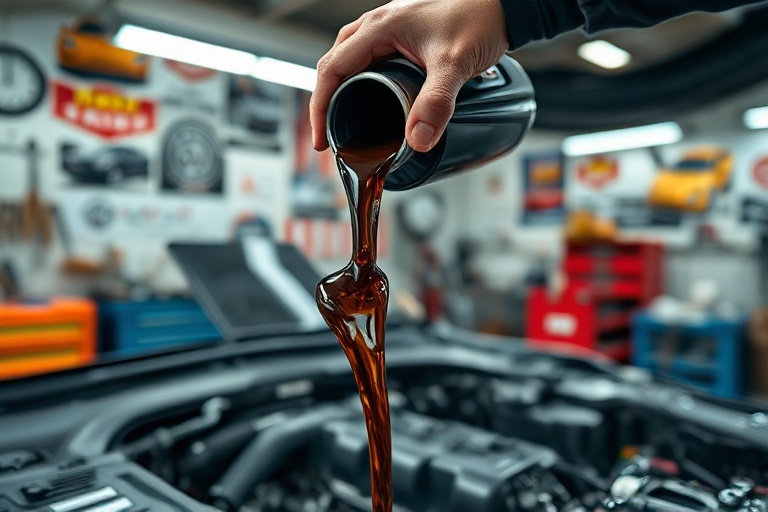
Engine Oil: Essential Guide to Types, Benefits, and Maintenance
Understanding Engine Oil: The Lifeblood of Your Vehicle
Engine oil plays a critical role in the performance and longevity of any vehicle. It lubricates the engine’s moving parts, reduces friction, and helps to dissipate heat. Without the right type and quality of oil, an engine can suffer from premature wear and tear, leading to costly repairs. This article explores the different types of engine oil, their functions, and the broader implications of oil choice on vehicle maintenance.
Types of Engine Oil
There are several types of engine oil available in the market, each designed for specific applications and performance needs. Understanding these types can help vehicle owners make informed decisions regarding their maintenance routines. Here are the primary categories:
- Synthetic Oil: Engineered in laboratories, synthetic oils offer superior performance in extreme conditions. They are designed to provide better protection and efficiency compared to conventional oils.
- Conventional Oil: This is the traditional oil derived from crude oil. While it is less expensive, it may not perform as well under high-stress conditions.
- High-Mileage Oil: Formulated with special additives, high-mileage oils are designed for vehicles with over 75,000 miles. They help reduce oil consumption and prevent leaks.
- Blended Oil: A mix of conventional and synthetic oil, blended oils aim to provide a balance between cost and performance.
The Importance of Regular Oil Changes
Regular oil changes are essential for maintaining engine health. Over time, engine oil breaks down and becomes contaminated with dirt and debris. This can lead to reduced lubrication and increased wear on engine components. Most manufacturers recommend changing the oil every 3,000 to 7,500 miles, depending on the vehicle and the type of oil used.
Here are some key benefits of adhering to a regular oil change schedule:
- Improved Engine Performance: Fresh oil helps ensure that the engine runs smoothly and efficiently.
- Extended Engine Life: Regular oil changes help prevent engine wear, contributing to a longer lifespan for the vehicle.
- Better Fuel Economy: Clean oil reduces friction, which can improve fuel efficiency.
- Reduced Emissions: Maintaining clean oil can help reduce harmful emissions, benefiting the environment.
Choosing the Right Oil for Your Vehicle
Selecting the appropriate engine oil is crucial. Factors such as climate, driving conditions, and the vehicle’s age all play a role in determining the best oil type. Here are some considerations to keep in mind:
- Manufacturer Recommendations: Always refer to the owner’s manual for the oil specifications recommended by the manufacturer.
- Driving Conditions: If you frequently drive in extreme temperatures or heavy traffic, synthetic oil may be a better choice.
- Vehicle Age: Older cars may benefit from high-mileage oil to help manage wear and tear.
Ultimately, the choice of engine oil can affect not only the performance of the vehicle but also its overall reliability and resale value. Making informed decisions regarding oil selection and maintenance can lead to significant long-term savings.
Conclusion
Engine oil is a vital component in keeping vehicles operational and efficient. Understanding the types of oil available, the importance of regular changes, and how to choose the right oil can empower vehicle owners to take better care of their engines. A little knowledge goes a long way in ensuring that vehicles remain in top condition, ultimately saving time and money in the long run.
For more information on automotive maintenance and care, visit our Automotive section and explore a range of articles designed to help you keep your vehicle running smoothly.