Maldives Divers: The Hidden Heroes of the Indian Ocean
“`html
Maldives Divers: The Hidden Heroes of the Indian Ocean
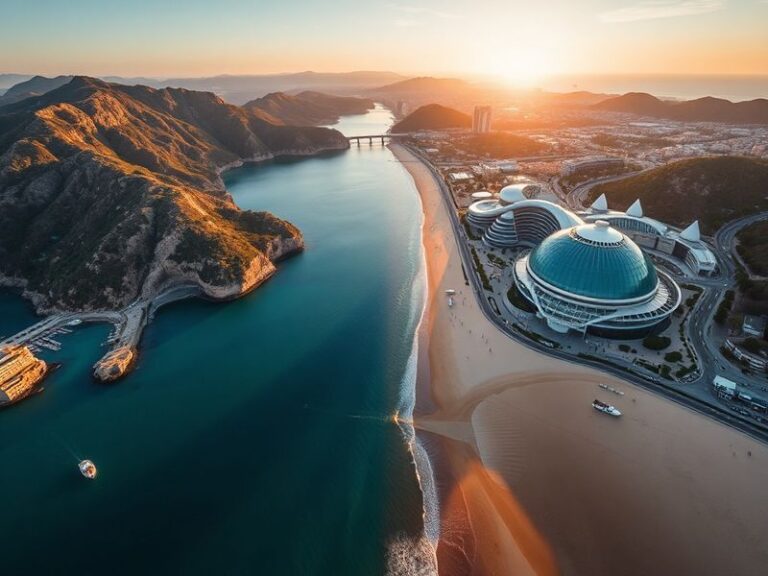
The Maldives is often celebrated for its overwater bungalows and pristine white-sand beaches, but beneath the surface lies a world that few visitors ever witness. The Maldives divers—skilled professionals who work in the country’s commercial diving industry—are the unsung guardians of this underwater paradise. Their work extends far beyond tourism, supporting the nation’s infrastructure, marine conservation, and even emergency response efforts.
These divers operate in one of the most challenging environments on Earth. The Indian Ocean’s currents, depths, and marine life demand expertise and resilience. Yet, their contributions remain largely invisible to the average traveler. This article explores the critical roles Maldives divers play, the skills they master, and the cultural significance of their work in a nation where the sea is both provider and peril.
The Role of Maldives Divers in a Fragile Island Nation
As an archipelago of over 1,000 coral islands, the Maldives relies heavily on its marine resources. Divers are essential to maintaining the country’s infrastructure, which is constantly threatened by erosion, storms, and the delicate balance of coral ecosystems. Their tasks range from repairing underwater pipelines to constructing artificial reefs designed to combat coastal degradation.
Commercial diving in the Maldives is not limited to construction. Many divers work in fisheries, ensuring sustainable catches of tuna and other marine species that form the backbone of the national economy. Others are involved in marine research, collaborating with international scientists to monitor coral bleaching, study marine biodiversity, and implement conservation projects. Without these underwater professionals, the Maldives’ delicate ecosystem—and its economy—would be far more vulnerable.
A Day in the Life of a Maldives Commercial Diver
The life of a Maldives diver is defined by precision, endurance, and adaptability. Their workday often begins before dawn, as they prepare equipment and review safety protocols. Depending on the task, they may descend to depths of 30 meters or more, where visibility can shift from crystal clear to murky within minutes due to shifting sands or plankton blooms.
Diving conditions in the Maldives are unique. The atolls create strong currents that can sweep even experienced divers off course. Tidal changes add another layer of complexity, requiring divers to time their work windows carefully. Many commercial divers in the Maldives are trained locally, learning from elders who have passed down techniques honed over generations. Others receive international certifications, blending global best practices with local knowledge.
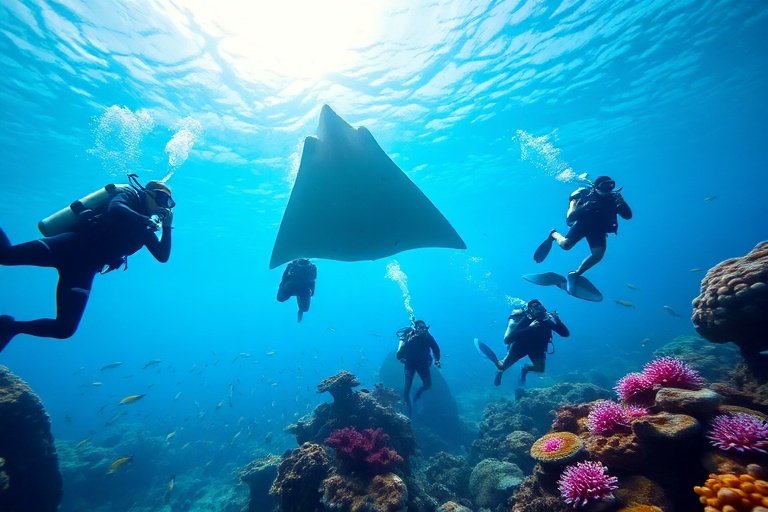
For those working in tourism, divers also serve as guides for snorkeling and diving excursions. They introduce visitors to the vibrant coral gardens teeming with clownfish, manta rays, and reef sharks. Their ability to navigate these waters while educating tourists highlights the dual role they play—as both protectors and ambassadors of the ocean.
The Cultural Significance of Diving in Maldivian Society
Diving has been a part of Maldivian culture for centuries. Historically, the islanders relied on freediving to collect sea cucumbers, turtles, and other marine resources. Known as mas divers, these early practitioners used traditional techniques passed down through families. While commercial diving has evolved with modern technology, the cultural reverence for the sea remains deeply embedded in Maldivian identity.
The Maldivian government has recognized the importance of preserving these traditions while fostering modern diving skills. Vocational training programs, often supported by international NGOs, teach young Maldivians the fundamentals of commercial diving alongside marine conservation principles. These programs aim to ensure that the next generation of divers is equipped to protect their environment while securing economic opportunities.
For many Maldivian families, diving is more than a profession—it’s a legacy. Sons and daughters follow in their parents’ footsteps, carrying forward a tradition that connects them to their ancestors and their homeland. This cultural continuity is vital in a nation where the sea is both a source of life and a force of nature that must be respected and understood.
The Challenges and Future of Maldives Divers
Despite their critical role, Maldives divers face numerous challenges. The physical toll of diving in extreme conditions is significant, with decompression sickness and equipment failures posing constant risks. The economic instability of the tourism industry, which was severely impacted by the COVID-19 pandemic, has also left many divers without steady work. Additionally, climate change threatens the very ecosystems they are tasked with protecting, as rising sea temperatures and ocean acidification accelerate coral bleaching.
To address these challenges, organizations like the Maldives Marine Research Institute and international partners are investing in training programs and technological innovations. For example, the use of underwater drones and remotely operated vehicles (ROVs) is becoming more common, reducing the need for human divers in high-risk situations. However, the human element remains irreplaceable, particularly in tasks requiring finesse and adaptability.
The future of Maldives divers will depend on balancing tradition with innovation. Efforts to promote sustainable tourism and marine conservation are creating new opportunities for divers to work in eco-friendly initiatives, such as coral restoration projects. These projects not only protect the environment but also attract tourists who are increasingly seeking responsible travel experiences.
How Tourism Supports the Diving Community
While commercial diving and marine conservation are vital, tourism remains a significant employer for Maldives divers. Resorts and liveaboard operators rely on skilled divers to maintain house reefs, conduct marine life surveys, and lead guest excursions. The demand for high-quality diving experiences has led to the establishment of dedicated diving centers across the atolls, many of which are certified by international organizations like PADI and SSI.
For tourists, engaging with Maldives divers offers a glimpse into a world that is both awe-inspiring and fragile. Many resorts now incorporate marine conservation into their operations, allowing guests to participate in coral planting or manta ray research alongside local divers. These initiatives not only educate visitors but also generate funding for conservation efforts.
If you’re planning a trip to the Maldives, consider booking a dive excursion with a local operator. It’s an opportunity to support the divers who work tirelessly to preserve this underwater paradise. For more on how to engage responsibly with the Maldives’ marine environment, visit our Travel section for tips on sustainable tourism.
Conclusion: The Unsung Guardians of the Maldives
The Maldives divers are the silent force that keeps the nation afloat—literally and figuratively. Their work ensures that the country’s infrastructure remains intact, its marine resources are sustainably managed, and its natural beauty is preserved for future generations. From the bustling fish markets of Malé to the remote atolls of the outer islands, their presence is felt everywhere the sea touches.
As climate change and economic pressures continue to challenge the Maldives, the role of these divers will only grow in importance. They are not just workers; they are stewards of a nation that is as fragile as it is magnificent. Recognizing their contributions is the first step toward ensuring that the Maldives remains a jewel of the Indian Ocean for decades to come.
For those who visit, take a moment to appreciate the divers who make it all possible. Their stories are as deep and vast as the ocean itself.