Understanding Poland’s Główny Inspektorat Sanitarny and Its Global Role
“`html
The Główny Inspektorat Sanitarny: Poland’s Public Health Guardian in a Global Context
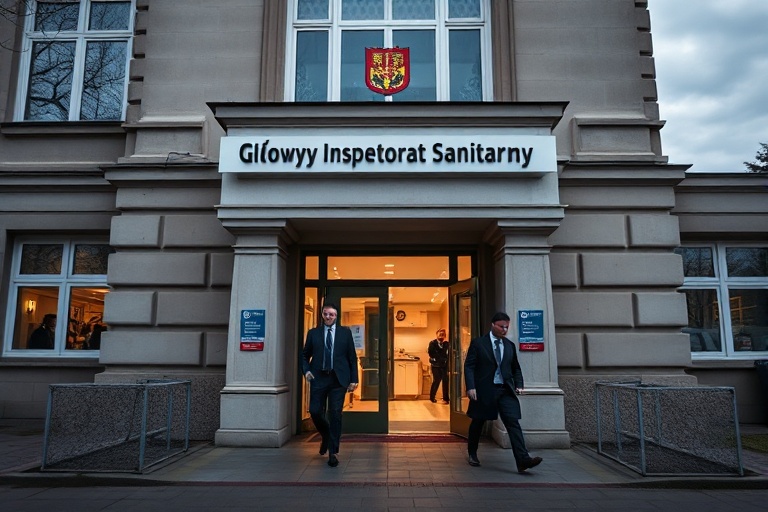
The Główny Inspektorat Sanitarny (GIS), or the Chief Sanitary Inspectorate, serves as Poland’s central authority for public health and safety. Established to protect communities from health hazards, the GIS operates under the Ministry of Health, enforcing regulations that align with European Union standards. Its role extends beyond Poland’s borders, influencing regional health policies and contributing to global public health initiatives. Understanding the GIS requires examining its structure, functions, and the cultural and political factors that shape its authority.
The Structure and Mandate of the GIS
The GIS is organized into a hierarchical system, with the Chief Sanitary Inspector at the helm. This leader is appointed by the Prime Minister, ensuring alignment with national health priorities. Below the chief, regional and local sanitary inspectors oversee implementation of health regulations across Poland’s 16 voivodeships. The structure reflects a decentralized approach, yet central oversight guarantees consistency in public health enforcement.
The GIS’s mandate encompasses a broad spectrum of responsibilities. It monitors food safety, controls infectious diseases, regulates environmental health, and ensures workplace safety standards. The inspectorate also plays a critical role during public health crises, such as the COVID-19 pandemic, where rapid response and clear communication became essential. The GIS collaborates with international bodies like the World Health Organization (WHO) and the European Centre for Disease Prevention and Control (ECDC), integrating global health strategies into local practices.
One of the GIS’s key functions is the issuance of sanitary permits and inspections. Businesses in the food industry, for example, must comply with strict hygiene standards. The GIS conducts regular audits to verify compliance, with non-compliant entities facing fines or closure. This rigorous enforcement has earned the GIS a reputation for strictness, but it also underscores its commitment to safeguarding public health.
Cultural and Political Influences on the GIS
Public perception of the GIS is shaped by Poland’s historical and cultural context. During the communist era, health authorities often prioritized political directives over public welfare. The post-1989 transition brought significant reforms, including the establishment of the GIS in its current form. This evolution reflects broader societal shifts toward transparency and accountability in governance.
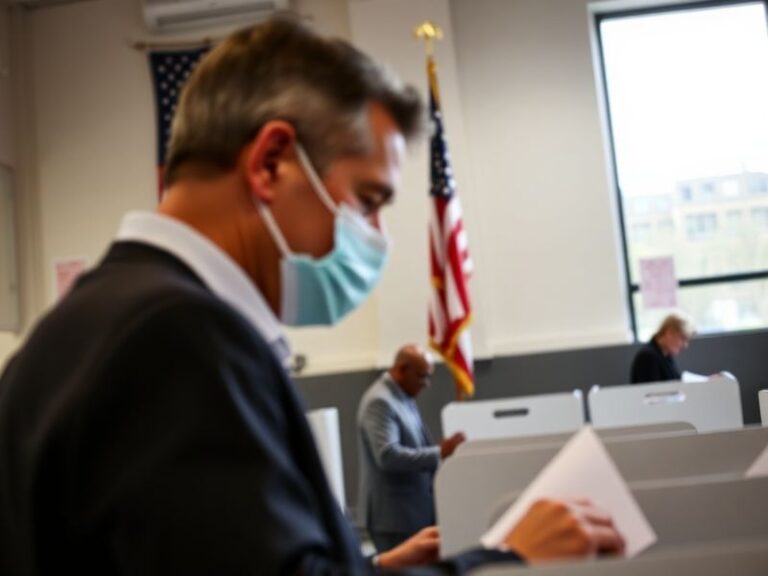
Political dynamics also influence the GIS’s operations. While the inspectorate operates independently, its funding and priorities are subject to government policies. For instance, during election cycles, public health spending may fluctuate, impacting the GIS’s ability to address emerging threats. Additionally, the GIS’s role in regulating controversial areas, such as vaccination policies, often sparks debate. The inspectorate’s stance on mandatory vaccinations, for example, has drawn both support and criticism, highlighting the tension between individual freedoms and collective health.
Culturally, Poles tend to view the GIS with a mix of trust and skepticism. While many appreciate its role in ensuring food safety and disease control, others question its effectiveness in addressing systemic issues, such as air pollution or healthcare disparities. The GIS’s public communication strategies, including campaigns on vaccination and hygiene, aim to bridge this gap by fostering trust through education and transparency.
The GIS in a Global Health Landscape
The GIS’s work is not confined to Poland’s borders. As a member of the European Union, Poland benefits from shared health standards and collaborative initiatives. The GIS participates in EU-wide health monitoring programs, such as those tracking antimicrobial resistance and foodborne illnesses. These partnerships enable the exchange of data and best practices, enhancing Poland’s capacity to respond to global health threats.
During the COVID-19 pandemic, the GIS’s role became particularly visible. It coordinated national testing strategies, managed quarantine protocols, and disseminated public health guidelines. The inspectorate’s collaboration with the European Commission and WHO facilitated the procurement of vaccines and medical supplies. This international cooperation underscored the GIS’s importance in Poland’s pandemic response and its integration into the global health ecosystem.
Beyond Europe, the GIS contributes to global health initiatives through its participation in international organizations. For example, it aligns with WHO’s International Health Regulations, ensuring Poland’s preparedness for cross-border health emergencies. The GIS also engages in capacity-building programs, sharing expertise with countries in Central and Eastern Europe to strengthen regional health security.
Challenges and Future Directions
The GIS faces several challenges in fulfilling its mandate. One pressing issue is the adaptation to emerging health threats, such as antimicrobial resistance and climate-related health risks. Rising temperatures, for instance, have increased the spread of vector-borne diseases, requiring the GIS to adjust its surveillance and response strategies. Additionally, the inspectorate must navigate the complexities of digital health, ensuring that technological advancements, such as AI-driven diagnostics, are integrated responsibly.
Public engagement presents another challenge. While the GIS conducts outreach campaigns, misinformation and vaccine hesitancy persist. The inspectorate’s efforts to combat these issues include partnerships with schools, healthcare providers, and media outlets to disseminate accurate health information. Transparency in decision-making and clear communication are critical to maintaining public trust.
Looking ahead, the GIS is poised to play an even more significant role in Poland’s health landscape. Legislative reforms aimed at modernizing health regulations and enhancing data collection could strengthen the inspectorate’s capabilities. The GIS’s collaboration with technology sectors may also lead to innovative solutions, such as real-time health monitoring systems. As global health remains a priority, the GIS’s work will continue to shape Poland’s response to both local and international challenges.
Conclusion
The Główny Inspektorat Sanitarny stands as a cornerstone of Poland’s public health infrastructure, balancing strict enforcement with collaborative engagement. Its work extends beyond national borders, contributing to regional and global health security. While challenges such as emerging health threats and public skepticism persist, the GIS’s adaptability and commitment to transparency position it as a key player in safeguarding public health. As Poland and the world navigate an evolving health landscape, the GIS will remain a vital guardian of community well-being.