Border Control Explained: Policies, Tech, and Global Impact
“`html
Understanding Border Control: Policies, Challenges, and Global Perspectives
The concept of border control sits at the intersection of national security, immigration policy, and international diplomacy. Governments worldwide implement varying approaches to regulate the movement of people and goods across their borders, often balancing humanitarian concerns with sovereignty and safety. These policies are shaped by historical events, economic needs, and geopolitical pressures, making border control a complex and evolving issue.
Recent years have seen border control become a focal point in global discussions, particularly as migration flows and security threats evolve. The debate extends beyond physical borders to include digital surveillance, visa regulations, and international cooperation. Understanding these mechanisms requires examining both the practical implementation and the underlying principles that guide them.
The Tools and Technologies Shaping Border Control
Modern border control relies on a mix of traditional methods and advanced technologies. Physical barriers such as walls and fences remain prominent in some regions, while others prioritize technological solutions like biometric scanning, AI-driven monitoring, and drone surveillance. These tools aim to enhance efficiency and accuracy in identifying threats while facilitating legitimate travel.
Biometric systems, including fingerprint and facial recognition, have become standard in many countries. For instance, the European Union’s Schengen Information System enables real-time data sharing among member states to track individuals of interest. Meanwhile, the United States employs the Automated Targeting System to pre-screen travelers based on risk factors. These systems underscore the shift toward predictive and preventive border management.
Automation also plays a critical role in streamlining processes. E-passports and automated passport control kiosks reduce wait times and improve accuracy at major airports. However, the reliance on technology raises concerns about privacy, data security, and potential biases in algorithmic decision-making. Critics argue that these systems may disproportionately target certain groups, highlighting the need for transparency and oversight.
The Humanitarian Dilemma: Security vs. Compassion
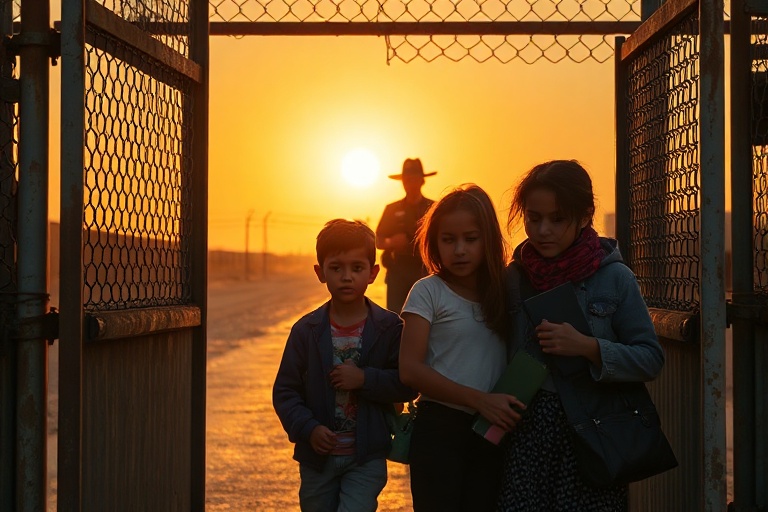
Border control policies often spark debates about their humanitarian impact. Stricter measures, such as family separations or prolonged detention, have drawn international criticism for violating human rights. Conversely, governments face pressure to protect national security and public order, particularly in the face of terrorism and organized crime.
The United Nations High Commissioner for Refugees (UNHCR) estimates that over 80 million people were forcibly displaced worldwide as of 2023. Many of these individuals seek asylum at borders, forcing governments to navigate the tension between upholding international obligations and enforcing domestic laws. Countries like Canada and Germany have adopted more inclusive policies, offering pathways to citizenship for refugees, while others, such as Australia, have faced condemnation for offshore processing centers.
Humanitarian organizations frequently call for reforms to ensure that border control does not infringe on fundamental rights. The principle of non-refoulement, which prohibits returning refugees to countries where they face persecution, remains a cornerstone of international law. Yet, its application is inconsistent, with some nations exploiting loopholes to deny entry or deport individuals.
Balancing security and compassion requires nuanced policies that prioritize both protection and dignity. For example, countries like New Zealand have implemented community-based alternatives to detention, allowing asylum seekers to live in the community under certain conditions. These models demonstrate that border control can coexist with humanitarian values when approached creatively.
Economic and Political Influences on Border Policies
Border control is not merely a matter of security; it is deeply intertwined with economic and political agendas. Trade agreements, labor demands, and diplomatic relations often dictate the flexibility or rigidity of border policies. For instance, the European Union’s single market allows for free movement within its borders, but external borders remain heavily guarded to prevent unauthorized migration.
Economically, borders facilitate or hinder the flow of goods and labor. Countries with labor shortages, such as the United States and Germany, often relax immigration policies to attract skilled workers. Conversely, nations facing high unemployment rates may tighten border controls to protect domestic job markets. The rise of populist movements in recent years has further polarized these debates, with some leaders framing immigration as a threat to cultural identity and economic stability.
Political alliances also shape border policies. The North American Free Trade Agreement (NAFTA) and its successor, the United States-Mexico-Canada Agreement (USMCA), include provisions that streamline cross-border trade while maintaining strict immigration enforcement. Similarly, the African Union’s vision for a borderless continent aims to boost economic integration but faces challenges due to uneven enforcement and security concerns.
These economic and political factors highlight the multifaceted nature of border control. Policies are rarely driven by a single objective; instead, they reflect a complex interplay of national interests, global pressures, and societal values.
The Future of Border Control: Trends and Predictions
The future of border control will likely be shaped by technological advancements, climate change, and shifting migration patterns. Experts predict that artificial intelligence and machine learning will play an even larger role in predicting and managing border threats. Predictive analytics could help authorities identify potential security risks before they materialize, though this raises ethical questions about surveillance and privacy.
Climate change is another emerging factor. Rising sea levels and extreme weather events are expected to displace millions of people, creating new challenges for border management. Countries may need to adapt their policies to address climate-induced migration, potentially redefining the concept of asylum and refugee status.
Additionally, the COVID-19 pandemic demonstrated how global health crises can reshape border control overnight. Travel restrictions, vaccination requirements, and health screenings became standard practices, illustrating the adaptability of border policies in response to unforeseen threats. As the world continues to grapple with pandemics and other crises, border control will need to evolve to address these new realities.
One possible trend is the increased use of regional cooperation to manage borders. For example, the European Union’s Frontex agency coordinates border security efforts among member states. Similarly, the Association of Southeast Asian Nations (ASEAN) has explored collaborative approaches to address migration and trafficking. These partnerships could become more common as nations recognize the limitations of unilateral border control.
Conclusion
Border control remains one of the most contentious and complex issues in global governance. It demands a delicate balance between security, humanitarian concerns, and economic interests. As technology advances and global challenges evolve, the policies governing borders will need to adapt to ensure they remain effective and just.
For policymakers, the challenge lies in crafting frameworks that protect national interests without compromising human dignity. For societies, the conversation must extend beyond security to include empathy, innovation, and international cooperation. Only through thoughtful and inclusive approaches can border control serve its dual purpose: safeguarding communities while upholding the values of a globalized world.
As debates continue, one thing is clear: the future of border control will be defined not just by walls and surveillance, but by the principles we choose to uphold.