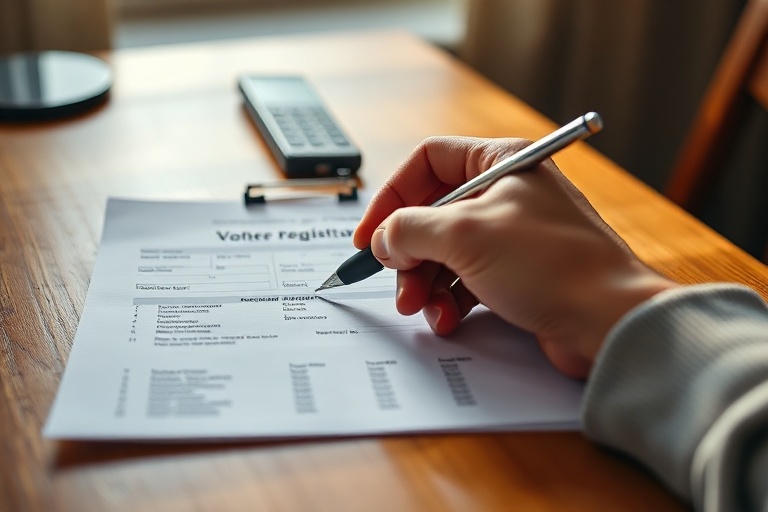
What Do I Need to Vote? A Complete Step-by-Step Guide
“`html
What Do I Need to Vote? A Complete Guide
Voting is a cornerstone of democracy, yet the process can feel overwhelming for first-time voters or those unfamiliar with updated requirements. Whether you’re preparing for a local election or a national race, knowing what identification and documentation are needed ensures you won’t face unnecessary hurdles at the polls. This guide breaks down the essentials, explains state-specific variations, and highlights why preparation matters beyond just showing up.
Understanding Voter ID Laws: What’s Required Where You Live
Voter identification laws vary significantly across the United States. Some states require strict photo IDs, while others accept a broader range of documents. As of 2024, 36 states have some form of voter ID law, though enforcement differs. For example, states like Georgia and Texas mandate a valid photo ID, such as a driver’s license or passport. Meanwhile, states like California and Illinois do not require any ID unless you’re a first-time voter who registered by mail and didn’t provide verification.
To avoid confusion, the best approach is to check your state’s specific requirements well in advance. The U.S. Election Assistance Commission provides an online tool that links directly to your state’s election office website. This resource simplifies the process by offering up-to-date, jurisdiction-specific details. If you’re voting in person, bring whatever ID your state requires. If voting by mail, ensure your ballot includes any necessary copies of your ID or signature verification.
Key Documents You Might Need on Election Day
While requirements differ, here’s a general list of documents that could satisfy voter ID laws or registration verification:
- Photo IDs: Driver’s license, state ID, passport, military ID, or student ID.
- Non-Photo IDs: Birth certificate, Social Security card, utility bill, bank statement, or government-issued document with your name and address.
- Proof of Residence: Often required for first-time voters who registered by mail; examples include a utility bill, lease agreement, or paycheck stub.
- Voter Registration Card: While not always mandatory, it can speed up the check-in process.
It’s important to note that some states allow “fail-safe” options if you forget your ID. In Ohio, for example, you can cast a provisional ballot and return within a few days to provide the required ID. However, relying on these provisions isn’t ideal—provisional ballots may not always be counted. Preparation is the best strategy.
How to Prepare Before You Head to the Polls
Preparation begins long before Election Day. If you’re registering to vote for the first time, ensure your application is complete and accurate. Missing information or typos can delay processing. You can register online in many states through your Department of Motor Vehicles website or dedicated voter registration platforms like vote.gov.
Once registered, confirm your polling location hasn’t changed. Districts are occasionally redrawn, and polling places can shift. The Vote.org polling locator is a reliable tool for finding your assigned site. If you’re voting by mail, request your absentee ballot early. Some states require an excuse for absentee voting, while others allow no-excuse mail-in ballots. Track your ballot’s delivery and return it with enough time for it to be counted.
For those who need assistance, many states offer curbside voting or language support. The Americans with Disabilities Act requires polling places to be accessible, but calling ahead ensures accommodations are in place. If you encounter issues at the polls—whether related to ID, registration, or accessibility—report them immediately to the Election Assistance Commission or your local election office.
The Broader Implications of Voter Preparedness
Voting isn’t just about individual participation; it shapes community priorities and policy outcomes. When eligible voters are disenfranchised due to preventable hurdles—whether lack of ID, confusion about polling locations, or delayed registration—the collective voice of a neighborhood or demographic weakens. Studies show that voter ID laws disproportionately affect marginalized groups, including low-income individuals, people of color, and young voters, who are less likely to possess qualifying IDs.
This reality underscores why preparation isn’t just a personal responsibility—it’s a civic duty. When more voices participate, elections better reflect the will of the people. Local races, in particular, hinge on narrow margins. A city council decision or school board election can directly impact your neighborhood’s safety, schools, and infrastructure. Turning out in these races often requires even more diligence, as they receive less media attention than national contests.
Beyond the immediate act of voting, being informed about candidates and issues ensures your ballot carries weight. Compare platforms, attend community forums, and verify candidate claims through nonpartisan sources. Organizations like the League of Women Voters offer Vote411, a tool that provides personalized candidate information based on your address.
Final Checklist Before You Vote
- Confirm your voter registration status and polling location.
- Gather required ID or documents based on your state’s laws.
- Plan your route to the polls, accounting for potential wait times.
- If voting by mail, request and return your ballot early with proper postage.
- Research candidates and ballot measures to cast an informed vote.
Democracy functions best when citizens engage thoughtfully and consistently. While the requirements to vote may seem cumbersome at times, they exist to protect the integrity of the process. By preparing early and staying informed, you’re not only securing your right to vote—you’re strengthening the foundation of the system itself. Whether it’s your first election or your twentieth, taking these steps ensures your voice is heard loud and clear.