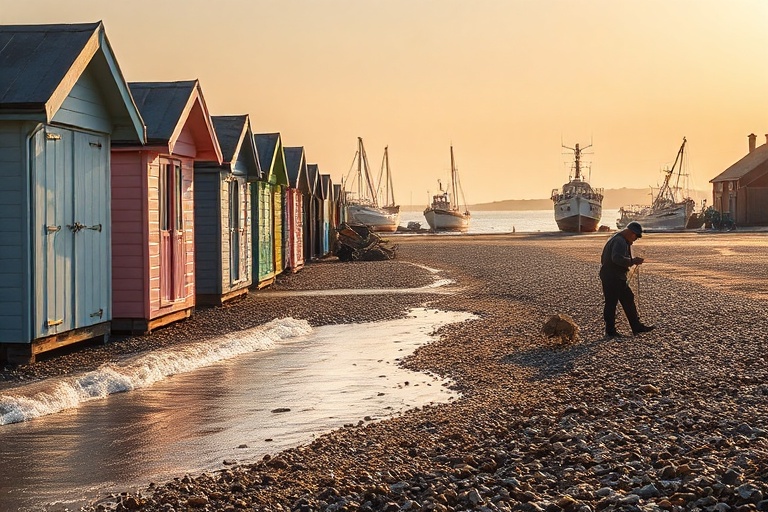
Nestled on the north coast of Kent in southeastern England, Whitstable is a town that blends maritime heritage with contemporary charm. Known for its oysters, pebble beaches, and vibrant arts scene, Whitstable has evolved from a modest fishing village into a cultural destination. Its proximity to London—just 50 miles away—has made it a weekend escape for city dwellers seeking fresh seafood, coastal walks, and a slower pace of life.
The town’s identity is deeply tied to the sea. Fishermen have worked these waters for centuries, and Whitstable’s oyster beds are among the oldest in the country. The annual Oyster Festival in July celebrates this legacy, drawing visitors from across the UK to sample the briny delicacies and enjoy live music, art, and local crafts. But Whitstable is more than just its culinary fame. Its cobbled streets, independent shops, and historic harbor create a picturesque setting that appeals to artists, photographers, and travelers alike.
The Oyster Legacy: A Taste of Whitstable’s Maritime Culture
Whitstable’s association with oysters dates back to Roman times, when the town was known as Tamesis Estuary. By the 18th century, its oysters were a staple in London markets, transported by barge and later by rail. Today, the oyster remains a symbol of local pride. The Whitstable Oyster Company, founded in 1872, continues to harvest shellfish using traditional methods, ensuring the quality and sustainability of its product.
The oyster trade has shaped the town’s economy and culture. Fishermen still work from the harbor, and local restaurants serve oysters in myriad ways—raw with a squeeze of lemon, grilled with garlic butter, or even in Whitstable’s famous pie. The oyster’s salty flavor reflects the town’s connection to the sea, a theme that permeates Whitstable’s identity.
Beyond the oyster, Whitstable’s maritime culture is evident in its architecture. The Tudor-style fishermen’s cottages, the historic harbor wall, and the lighthouse at the end of the pier all tell stories of a community shaped by the tides. Even the town’s name, derived from the Old English “Hwit” (white) and “stapol” (place), hints at its coastal origins.
Art, Literature, and the Creative Spirit of Whitstable
Whitstable has long been a magnet for artists and writers. In the 19th century, the Pre-Raphaelite painter Edward Burne-Jones spent summers here, inspired by the town’s light and landscapes. More recently, Whitstable has become a retreat for creatives seeking inspiration. Galleries like the Horizon Art Space and the Whitstable Biennale showcase contemporary works, while the town’s independent bookshops and cafes foster a thriving literary scene.
Literary figures have also found solace in Whitstable. Author Susan Hill, best known for The Woman in Black, lived in the town for decades, and her writing often reflects its quiet, introspective atmosphere. The town’s charm lies in its ability to balance creativity with authenticity. Unlike more commercialized coastal destinations, Whitstable retains a working-class edge, with working boats bobbing alongside artisanal studios.
This blend of art and industry is part of what makes Whitstable unique. The town’s creative community is not confined to galleries or studios—it spills into the streets, the harbor, and the local pubs. The Favourite, a historic pub frequented by artists and fishermen alike, is a testament to this fusion of cultures.
A Global Perspective: Whitstable in the Broader Coastal Context
Whitstable is one of many coastal towns that have transitioned from industrial hubs to cultural destinations. Like St. Ives in Cornwall or Provincetown in Massachusetts, Whitstable has leveraged its heritage to attract visitors while preserving its identity. However, its proximity to London sets it apart. While other coastal towns rely on tourism as their primary industry, Whitstable benefits from a diverse economy that includes fishing, retail, and creative services.
Globally, coastal towns face similar challenges: rising sea levels, over-tourism, and the pressure to modernize while retaining their character. Whitstable’s approach has been gradual. The town has resisted large-scale development, opting instead for small businesses and community-led initiatives. The Whitstable Harbour Arm, for example, was saved from commercialization and now hosts events, markets, and a café, ensuring public access to the waterfront.
This balance between preservation and progress is a model for other coastal communities. Whitstable’s success lies in its ability to adapt without losing sight of its roots. Whether it’s through the oyster trade, the arts, or its maritime history, the town remains deeply connected to the sea.
Exploring Whitstable: A Guide to the Town’s Highlights
Visitors to Whitstable will find a town that rewards exploration. Below are some of the key experiences that define Whitstable:
- The Harbour and Pier: A stroll along the pebble beach or a walk out to the pier offers stunning views of the North Sea. The harbor is the heart of the town, where fishermen unload their daily catch and visitors can watch the boats bobbing in the water.
- The Oyster Festival: Held every July, this week-long celebration features oyster shucking competitions, live music, and street performances. It’s a chance to immerse yourself in Whitstable’s culinary and cultural traditions.
- Independent Shops and Galleries: From the Whitstable Bookshop to the Crab & Winkle Gallery, the town’s independent businesses offer everything from rare books to handmade jewelry. The Whitstable Pottery is another must-visit for those seeking locally crafted ceramics.
- Seafood Dining: No trip to Whitstable is complete without sampling its seafood. The Wheelers Oyster Bar and JoJo’s are two of the town’s most beloved spots, serving everything from dressed crab to grilled mackerel.
- Coastal Walks: The Saxon Shore Way, a long-distance footpath, passes through Whitstable, offering scenic routes along the coast. For a shorter walk, the Tankerton Slopes provide a peaceful stretch of shingle beach with views of the sea.
The Future of Whitstable: Challenges and Opportunities
Like many coastal towns, Whitstable faces challenges. Rising sea levels and coastal erosion threaten the harbor and nearby communities. The town must also navigate the pressures of gentrification, as property prices rise and long-term residents are priced out. Yet Whitstable’s strong sense of community and its commitment to sustainability offer hope for the future.
Initiatives like the Whitstable Harbour Arm Trust demonstrate how local groups can preserve and enhance public spaces. The trust has transformed the harbor arm into a community asset, hosting events that bring people together while protecting the environment. Similarly, the town’s focus on slow tourism—encouraging visitors to linger and explore—helps mitigate the impact of over-tourism.
Whitstable’s story is one of resilience and reinvention. From its oyster beds to its art galleries, the town continues to evolve while staying true to its identity. As coastal towns around the world grapple with change, Whitstable offers a model of how to balance tradition and innovation.
Conclusion: Why Whitstable Endures
Whitstable is more than just a pretty seaside town. It is a place where history, culture, and nature intersect. Its oysters tell the story of a maritime past, its art scene reflects a creative present, and its community embodies the spirit of resilience. For visitors, Whitstable offers a taste of authentic coastal life—one that is both timeless and ever-changing.
Whether you’re drawn by the allure of fresh seafood, the charm of independent shops, or the tranquility of a pebble beach, Whitstable has something to offer. It’s a town that invites you to slow down, take a deep breath, and enjoy the simple pleasures of life by the sea.