The Royal Lodge: A Historic Retreat with Global Significance
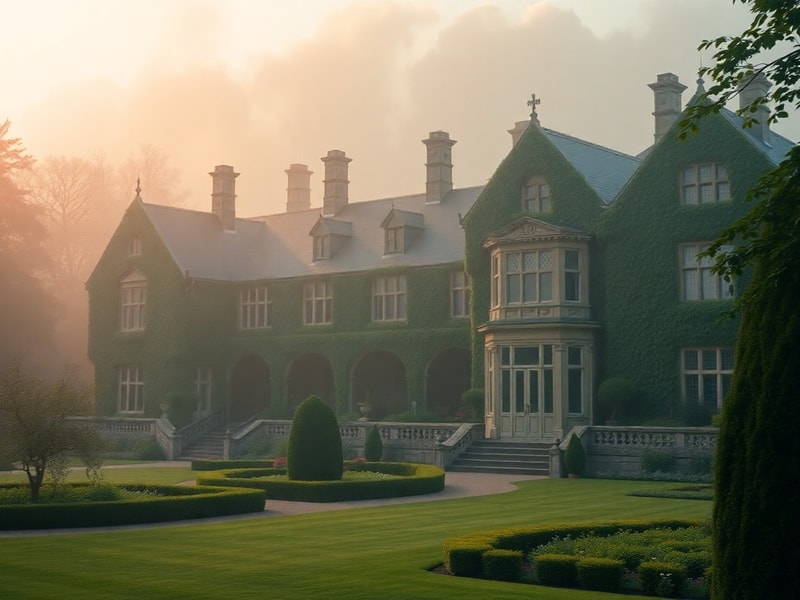
The Royal Lodge stands as one of the United Kingdom’s most storied royal residences, blending centuries of tradition with modern diplomacy. Nestled within the 3,367-acre Windsor Great Park, this Georgian mansion has served as a private sanctuary for the British monarchy for generations. Its understated elegance and strategic location have made it a backdrop for pivotal moments in royal and political history.
Unlike the grand palaces that dominate public imagination, the Royal Lodge offers a quieter narrative—one of intimate gatherings, strategic retreats, and quiet resilience. Its walls have witnessed everything from wartime planning to family milestones, reflecting the monarchy’s evolving role in an ever-changing world.
A Brief History of the Royal Lodge
Constructed in the late 18th century as a modest hunting lodge, the Royal Lodge was originally designed by architect Henry Holland for the Duke of York. Over time, it expanded under King George IV, who transformed it into a more elaborate retreat. The lodge’s most significant chapter began in 1931 when King George V granted it to his second son, the future King George VI, and his wife, Elizabeth.
After George VI’s passing in 1952, the lodge became a favored residence for Queen Elizabeth The Queen Mother, who lived there for over 50 years. Her presence turned the estate into a symbol of steadfast duty and familial warmth. Later, Prince Andrew, Duke of York, and his former wife, Sarah, Duchess of York, made it their family home, further embedding the lodge in the modern royal narrative.
Architectural and Cultural Significance
The Royal Lodge’s design reflects the Georgian and Regency eras, characterized by symmetrical facades, sash windows, and intricate plasterwork. Its interiors, though less opulent than Buckingham Palace, exude a refined charm with wood-paneled rooms and fireplaces that hark back to a bygone elegance. The lodge’s exterior blends seamlessly with Windsor Great Park, creating a harmonious balance between architecture and nature.
Culturally, the Royal Lodge has been a silent witness to history. During World War II, it served as a meeting point for military strategists. In peacetime, it hosted foreign dignitaries and family celebrations, including the christening of Prince William and Prince Harry. Its unassuming presence contrasts with the grandeur of other royal residences, offering a more personal glimpse into monarchy life.
The Royal Lodge in the Modern Era
Today, the Royal Lodge remains a private residence, though its use has shifted in recent years. Following renovations funded by the Queen Elizabeth The Queen Mother’s estate, the lodge was updated to accommodate modern living while preserving its historic character. Reports suggest it has been used for family gatherings and occasional diplomatic functions, maintaining its role as a flexible yet prestigious space.
The lodge’s future remains tied to the British monarchy’s evolving traditions. As the royal family adapts to new expectations, the Royal Lodge stands as a reminder of continuity—a place where history is not just preserved but actively lived.
Why the Royal Lodge Matters Beyond the UK
The Royal Lodge’s influence extends beyond British shores, embodying themes of heritage, adaptation, and diplomacy that resonate globally. For historians, it serves as a case study in how royal architecture reflects societal changes. For cultural observers, its understated luxury contrasts with the spectacle of more famous palaces, offering a nuanced perspective on monarchy in the 21st century.
Its location within Windsor Great Park—a UNESCO-listed landscape—also ties it to broader conversations about conservation and heritage preservation. The estate’s management reflects a delicate balance between public access and private sanctity, a challenge faced by many historic sites worldwide.
Visiting the Royal Lodge: What to Know
While the Royal Lodge is not open to the public, its surroundings offer opportunities for exploration. Windsor Great Park, which surrounds the estate, features trails, gardens, and landmarks like the Savill Garden and the Valley Gardens. Visitors can also explore nearby Windsor Castle, a far more accessible royal residence with rich historical offerings.
For those interested in royal history, the Royal Lodge’s legacy can be explored through archives and documentaries. The lodge itself remains a working residence, so access is limited, but its story is woven into the broader tapestry of British heritage.
A Final Reflection
The Royal Lodge may lack the immediate grandeur of other royal homes, but its quiet significance is undeniable. It is a place where history is not just remembered but actively shaped—a retreat that has hosted kings, queens, and global leaders alike. In an era where transparency and accessibility are increasingly valued, the Royal Lodge offers a rare glimpse into the private side of monarchy.
As the British royal family continues to navigate the 21st century, the Royal Lodge stands as a testament to resilience, tradition, and the enduring power of place. Its story is far from over; it merely awaits the next chapter.