Wedding Traditions Around the World: A Celebration of Unity and Culture
The wedding ceremony stands as one of humanity’s most enduring rituals. Across continents and centuries, weddings have marked not only the union of two individuals but also the blending of families, traditions, and cultural identities. While modern weddings increasingly reflect personal tastes and global influences, many customs remain deeply rooted in history and heritage. This global exploration reveals how different cultures celebrate love, commitment, and community through their unique wedding traditions.
The Symbolism Behind Ceremonies
Weddings are rarely just about the couple. They are communal events where entire villages, neighborhoods, or families gather to witness and support a lifelong bond. In Western traditions, the exchange of rings symbolizes eternity, with no beginning or end. In Hindu weddings, the sacred fire, or Agni, serves as a witness to the vows, while in Japanese Shinto ceremonies, the couple drinks sake from the same cup three times to seal their union.
In many African cultures, weddings are not just between two people but between two families. The lobola tradition in South Africa, for example, involves the groom’s family paying a negotiated bride price in livestock or money, symbolizing respect and commitment. Meanwhile, in Scandinavian countries, the couple is often bound together with a simple ribbon or cord during the ceremony, representing their intertwined lives.
These diverse practices highlight a universal truth: marriage is as much about community as it is about the individuals involved. Whether through symbolic objects, communal rituals, or family negotiations, every culture embeds meaning into the act of joining two lives.
A Feast of Flavors: Culinary Traditions at Weddings
Food is a cornerstone of wedding celebrations worldwide. It nourishes guests, reflects local agriculture, and often carries symbolic significance. In Italy, a wedding feast may last for hours, featuring multiple courses like pasta, meat, and dessert, all shared family-style. Guests are expected to eat heartily, not just to enjoy the meal but to symbolize abundance and prosperity for the couple.
In India, a lavish wedding can span several days, with regional dishes like biryani, butter chicken, and sweets such as gulab jamun taking center stage. The meal is not just about taste but about hospitality and generosity, where the bride and groom’s families showcase their culinary pride. Similarly, in Mexico, a rehearsal dinner or boda reception might feature mole poblano, a rich sauce symbolizing the complexity of marriage, or tamales, which are often prepared collectively by family members as a communal effort.
Contrast this with the simplicity of a traditional Scottish wedding, where guests might enjoy haggis, whisky, and shortbread. Or the elegance of a French wedding, where multiple wine pairings accompany each course. No matter the cuisine, food at weddings transcends mere sustenance—it becomes a language of celebration, identity, and shared joy.
Fashion and Adornment: More Than Just Attire
Clothing plays a pivotal role in wedding ceremonies, often carrying deep cultural and social messages. In Western weddings, the white gown, popularized by Queen Victoria in 1840, symbolizes purity and new beginnings. Brides in China, however, traditionally wear red—a color associated with luck and joy—while in Japan, a bride may wear a white kimono called a shiro-muku for the ceremony and a red one, iro-uchikake, for the reception.
In some cultures, the bride’s attire is not just about color but also about layers and meaning. A Korean bride wears a hwarot, a red and green robe, symbolizing the balance of yin and yang. In Morocco, brides often change outfits multiple times, from a white gown to a caftan adorned with gold embroidery, each outfit representing a different stage of the celebration.
Groom attire also varies widely. In Scotland, a groom may wear a kilt made from his family’s tartan, connecting him to his ancestry. In India, grooms often wear a sherwani, a long coat embroidered with gold, while in Nigeria, some grooms don an agbada, a flowing robe that signifies status and elegance.
The choice of fabric, color, and style is never arbitrary. It reflects heritage, social status, and even the couple’s hopes for the future. In an era where global fashion trends influence wedding attire, many couples now blend traditional elements with modern designs, creating a fusion that honors both the past and the present.
The Role of Music and Dance in Wedding Celebrations
Music and dance transform a wedding from a formal event into a vibrant celebration. In Brazil, the forró or samba might get guests on their feet, while in Ireland, a lively jig or reel ensures that no one remains seated for long. In Ghana, drummers and singers perform Adowa music, a rhythmic tradition that invites everyone to participate.
In Jewish weddings, the hora dance, where guests lift the couple on chairs, is a highlight. The couple is often paraded around the dance floor to lively klezmer music, symbolizing their joy and the community’s support. Similarly, in Greece, the sirtaki or kalamatianos dances are performed in a circle, with guests linking arms to celebrate the union.
Music also carries emotional weight. In many cultures, specific songs are reserved for key moments, such as the first dance or the cutting of the cake. In Argentina, the tango is sometimes performed by the couple, evoking passion and intimacy. Meanwhile, in the Philippines, a traditional pandanggo dance might be included, blending Spanish and Filipino influences.
These musical traditions are not just entertainment; they are a bridge between generations. They ensure that cultural stories and values are passed down through rhythm, movement, and shared experience.
Modern Trends and Timeless Traditions
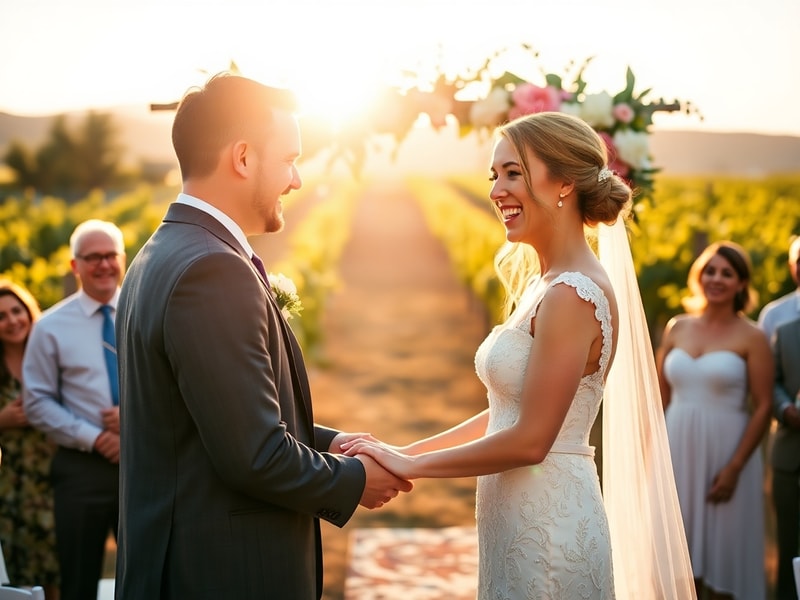
While many wedding customs remain unchanged, modern influences are reshaping how couples celebrate. Destination weddings, once rare, are now a popular choice for those seeking a blend of adventure and intimacy. Couples are increasingly opting for non-traditional venues, such as beaches, vineyards, or even travel destinations, where the scenery becomes part of the experience.
Eco-friendly weddings are also gaining traction. Couples are choosing locally sourced food, biodegradable decorations, and venues powered by renewable energy. Some even incorporate rituals like tree-planting ceremonies to symbolize their commitment to sustainability.
Technology has also transformed weddings. Live streams allow distant relatives to participate, while social media platforms let couples share their special day with a global audience. Apps help manage guest lists, seating arrangements, and even virtual invitations, making planning more efficient than ever before.
Yet, despite these changes, the essence of a wedding remains the same: a celebration of love, commitment, and community. Whether through ancient rituals or modern innovations, the act of joining two lives in marriage continues to be a powerful and universal human experience.
Conclusion
Weddings are more than just parties; they are living museums of cultural heritage. From the symbolic rituals of a Hindu ceremony to the lively dances of a Brazilian reception, each tradition tells a story about the values, history, and aspirations of a community. As the world becomes more interconnected, couples are finding new ways to honor their roots while embracing global influences. Whether through food, fashion, music, or ceremony, weddings remain a testament to humanity’s enduring need to celebrate love in all its forms.
For those planning their own wedding, the key is balance: blending tradition with personal expression, honoring heritage while embracing the present. After all, a wedding is not just about the couple—it is about the people who gather to support them, the cultures that shape their identities, and the future they are building together.