What Is Citizenship? Rights, Paths, and Global Challenges Explained
“`html
Understanding Citizenship: Rights, Responsibilities, and Modern Challenges
Citizenship represents far more than a legal status or a piece of identification. It is a dynamic relationship between an individual and a nation, woven from rights, obligations, and shared identity. While the concept dates back to ancient city-states, modern citizenship operates within complex legal, social, and political frameworks that continue to evolve.
In today’s interconnected world, questions about citizenship extend beyond national borders. Global migration, digital communities, and shifting geopolitical realities are reshaping what it means to belong. This exploration examines the foundational elements of citizenship, its historical roots, and the pressing challenges it faces in the 21st century.
What Does Citizenship Entail?
At its core, citizenship grants individuals specific rights within a nation. These typically include the right to vote, access to public services, freedom of movement within a country, and protection under the law. These rights are not universal; they vary significantly depending on the country of citizenship. For instance, some nations offer dual citizenship, allowing individuals to hold more than one nationality, while others restrict it.
Alongside rights come responsibilities—such as paying taxes, obeying laws, and sometimes serving in the military or jury duty. These obligations reinforce the social contract between citizens and the state. In many democracies, citizenship also implies active participation in civic life, from voting in elections to engaging in community initiatives.
Identity forms another crucial layer of citizenship. National identity often shapes cultural belonging, language use, and social integration. For immigrants, acquiring citizenship can mean adopting new traditions while preserving aspects of their heritage. This duality creates both opportunities and tensions within diverse societies.
The Paths to Citizenship
Most countries offer several pathways to citizenship, each with distinct requirements and implications. Birthright citizenship, also known as jus soli, grants nationality to anyone born within a country’s borders. This principle is central to the United States Constitution and many other nations’ legal systems.
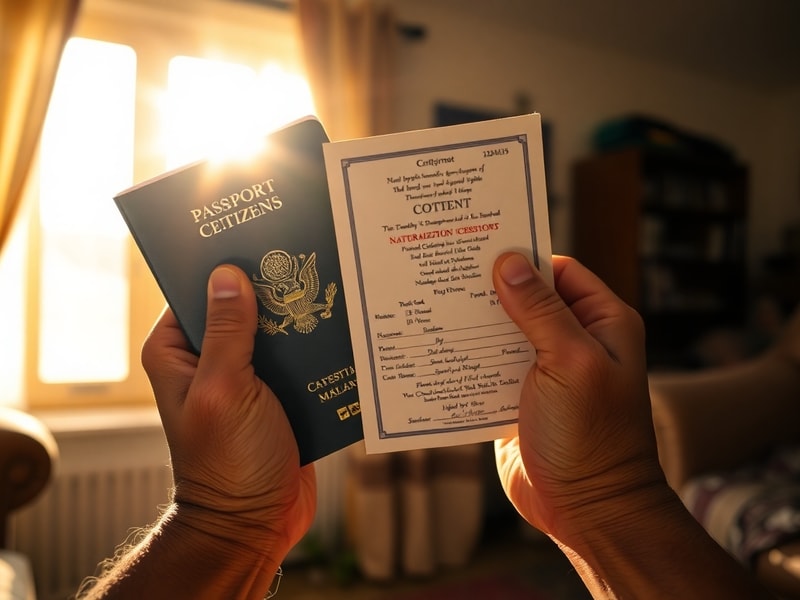
Another common route is naturalization, a process for immigrants to obtain citizenship after meeting residency, language, and civic knowledge requirements. In Canada, for example, applicants must live in the country for at least three out of five years, demonstrate language proficiency, and pass a citizenship test. The process emphasizes not just legal status but integration into Canadian values and society.
Some countries, such as Germany, historically relied on jus sanguinis—citizenship by descent. This approach prioritizes ethnic and familial ties over birthplace. However, recent reforms in many nations reflect a shift toward more inclusive policies that acknowledge the realities of global mobility and multiculturalism.
For those unable to acquire citizenship through birth or naturalization, alternative statuses like permanent residency or refugee protection may provide partial rights. However, these do not offer the same level of security or participation as full citizenship, particularly in terms of political representation and long-term stability.
Citizenship in a Globalized World
The rise of globalization has complicated traditional notions of citizenship. Digital nomads, remote workers, and expatriates often live across multiple countries, challenging the idea that citizenship must align with physical presence. Some nations, like Estonia and Portugal, have responded by offering “digital nomad visas” that allow foreign workers to live within their borders while maintaining ties to their home countries.
Another pressing issue is statelessness—a condition where individuals lack recognition by any nation. According to the United Nations, millions of people worldwide are stateless, often due to bureaucratic hurdles, discrimination, or conflicts over nationality laws. Statelessness strips individuals of access to education, healthcare, and legal employment, underscoring the importance of inclusive citizenship policies.
Climate change is also reshaping citizenship. As rising sea levels threaten entire nations, such as the Maldives and Tuvalu, questions arise about the future of national identity and sovereignty. Some legal scholars argue for the creation of “climate citizenship” to address the rights of environmental refugees who may lose their homes and, consequently, their legal status.
- Digital Citizenship: The internet has given rise to new forms of belonging, where online communities and virtual spaces create alternative citizenships. Social media platforms, gaming networks, and blockchain-based organizations offer digital identities that exist beyond traditional borders.
- Economic Citizenship: Some countries, such as Malta and St. Kitts and Nevis, offer citizenship through investment programs. These initiatives allow wealthy individuals to obtain passports by contributing to the economy, raising ethical debates about the commodification of nationality.
The Future of Citizenship
As societies become more diverse and technology advances, citizenship will likely continue evolving. One emerging trend is the concept of “post-national citizenship,” where individuals hold rights and identities that transcend specific nations. The European Union’s efforts to create a shared sense of belonging among member states exemplify this approach, though it remains a work in progress.
Another area of development is environmental citizenship. With growing awareness of climate change, some advocate for legal frameworks that recognize the rights of nature and the duties of citizens to protect the planet. This could lead to new forms of civic engagement centered on sustainability and environmental justice.
Technology also plays a dual role in shaping citizenship. On one hand, digital platforms enable greater civic participation, from online voting initiatives to crowdsourced policy-making. On the other, they raise concerns about surveillance, misinformation, and the erosion of privacy—issues that directly impact the trust between citizens and the state.
For many, the future of citizenship may lie in balancing local belonging with global responsibility. Initiatives such as the Sustainable Development Goals (SDGs) encourage individuals to see themselves as global citizens, with responsibilities that extend beyond national interests. This shift reflects a broader understanding of shared humanity and collective challenges.
Conclusion
Citizenship is a living concept, constantly redefined by legal, social, and technological changes. While it remains rooted in the idea of belonging to a nation, its forms and functions are expanding in response to globalization, digital transformation, and environmental crises. Understanding citizenship today requires looking beyond traditional definitions to consider how it adapts to the needs of diverse communities.
For those navigating the complexities of citizenship—whether through naturalization, digital communities, or advocacy—it is essential to recognize both the privileges and responsibilities it entails. As societies evolve, so too must our understanding of what it means to be a citizen in an increasingly interconnected world.
For further reading on related topics, explore our sections on Education and Politics.