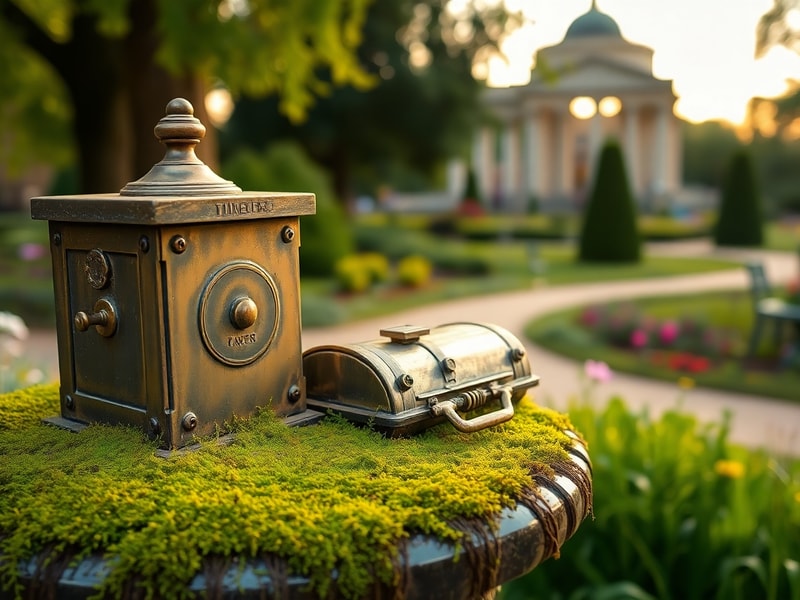
The discovery of a time capsule buried beneath Crystal Palace Park has reignited public fascination with the site’s layered history. Unearthed during recent conservation work near the park’s iconic dinosaur statues, the capsule offers a tangible connection to the Great Exhibition of 1851 and the visionary ambitions of its creators. While not the first artifact recovered from the park’s storied grounds, its contents promise to reveal new insights into Victorian-era culture, technology, and social values.
The Historical Context of Crystal Palace Park
Crystal Palace Park in South London was conceived as the permanent home for the Crystal Palace, the revolutionary glass-and-iron structure built for the Great Exhibition of 1851. Designed by Joseph Paxton, the palace was a marvel of prefabricated construction and became a symbol of industrial progress. After the exhibition closed, the palace was dismantled and rebuilt in Sydenham Hill, where it stood until its destruction by fire in 1936. Today, the park retains traces of its past, including the world’s first dinosaur sculptures and the remnants of the terraces that once supported the grand structure.
The park’s transformation from exhibition site to public park reflects broader Victorian ideals about education, nature, and civic pride. The time capsule, likely buried during the park’s formal opening in 1854 or during later expansions, may contain artifacts that align with these themes—such as coins, newspapers, or commemorative items. Archaeologists and historians are particularly interested in how these objects might reflect the aspirations of the era, including faith in science, industry, and global cooperation.
Key Features of the Park’s Victorian Heritage
- Dinosaur Sculptures: Commissioned in 1852, these life-sized models were the first to depict extinct creatures based on fossil evidence. They remain a cornerstone of the park’s identity.
- Crystal Palace Transmitter: A later addition, this BBC radio transmission tower became a landmark in the 20th century, broadcasting the first television signals in 1936.
- Terraced Gardens: The park’s elevated walkways and gardens were designed to showcase exotic plants, echoing the Great Exhibition’s emphasis on global biodiversity.
- Water Tower: Built in 1861, this Gothic-style tower supplied water to the palace and park, symbolizing Victorian engineering prowess.
What the Time Capsule Might Contain
Time capsules are deliberate repositories of memory, often filled with objects intended to communicate the values and achievements of their era. Given the Crystal Palace Park’s origins, the capsule could include items such as:
- Medals and Coins: Commemorative tokens from the Great Exhibition or coins minted during the reign of Queen Victoria.
- Newspapers or Pamphlets: Contemporary accounts of the exhibition or promotional materials for the park’s opening.
- Letters or Documents: Correspondence from key figures like Joseph Paxton, Isambard Kingdom Brunel, or members of the Crystal Palace Company.
- Industrial Artifacts: Samples of materials used in the palace’s construction, such as iron or glass, or tools from the era.
- Cultural Ephemera: Sheet music, postcards, or illustrations depicting the palace and its surroundings.
Experts caution that the capsule’s contents may have degraded over time, especially if it was not hermetically sealed. However, even partial remains—such as corroded metal or fragile paper—could provide valuable data. Conservationists are employing advanced imaging techniques to examine the artifacts without causing further damage, a process that could take weeks or months.
The discovery also raises questions about other potential time capsules hidden within the park. In 2018, a smaller capsule was found near the park’s entrance, containing a 19th-century bottle and a handwritten note. This suggests that the park may hold more such deposits, each offering a unique window into different periods of its history.
The Significance of Time Capsules in Public Memory
Time capsules serve as more than mere curiosities; they are deliberate acts of cultural preservation. By burying objects with the intent to retrieve them decades later, their creators engage in a dialogue with the future. For Crystal Palace Park, this dialogue spans over 170 years, linking the Victorian era to the present day. The park itself has undergone multiple transformations—from exhibition hall to entertainment venue to public park—each phase leaving its mark on the landscape.
This particular time capsule also highlights the role of archaeology in urban spaces. Unlike traditional excavation sites, urban archaeology often uncovers artifacts in unexpected places, such as parks, basements, or construction sites. These discoveries challenge historians to reinterpret familiar narratives. For instance, the capsule might reveal how the park’s working-class visitors engaged with the space differently than the elite who attended the Great Exhibition.
“Time capsules are like messages in a bottle, but instead of drifting across an ocean, they’re buried beneath our feet, waiting for the right moment to resurface. Each one tells a story not just about what was important to its creators, but about how we choose to remember our past.” — Dr. Eleanor Whitaker, Archaeologist at the Museum of London
Looking Ahead: Preservation and Public Engagement
The recovery of the time capsule is just the beginning of a broader conversation about Crystal Palace Park’s future. Local authorities and heritage organizations are considering how to display or interpret the artifacts once they are fully documented. Options range from a dedicated exhibit at the Culture section of the park’s visitor center to a traveling exhibition that tours local schools and museums.
Public engagement will be key to this process. The park’s history is deeply intertwined with the community, from the workers who built the dinosaur sculptures to the families who have picnicked on its slopes for generations. Interactive elements, such as augmented reality tours or workshops on Victorian-era crafts, could help visitors connect with the past in meaningful ways.
There is also an opportunity to involve the public in the capsule’s preservation. Crowdfunding campaigns or volunteer programs could support the conservation of the artifacts, ensuring they remain accessible for future generations. This collaborative approach aligns with the park’s original mission to educate and inspire, bridging the gap between 19th-century innovation and 21st-century sustainability.
As the analysis of the time capsule’s contents continues, one thing is clear: Crystal Palace Park remains a living archive of history, constantly evolving yet rooted in its past. Whether through the discovery of a single capsule or the ongoing care of its dinosaur sculptures, the park invites us to reflect on how we preserve—and reinterpret—our shared heritage.
How to Stay Updated
For the latest news on the Crystal Palace Park time capsule and other heritage projects, follow updates from the News section of Dave’s Locker. The site regularly covers stories that blend history, culture, and community, offering deeper insights into the places that shape our world.