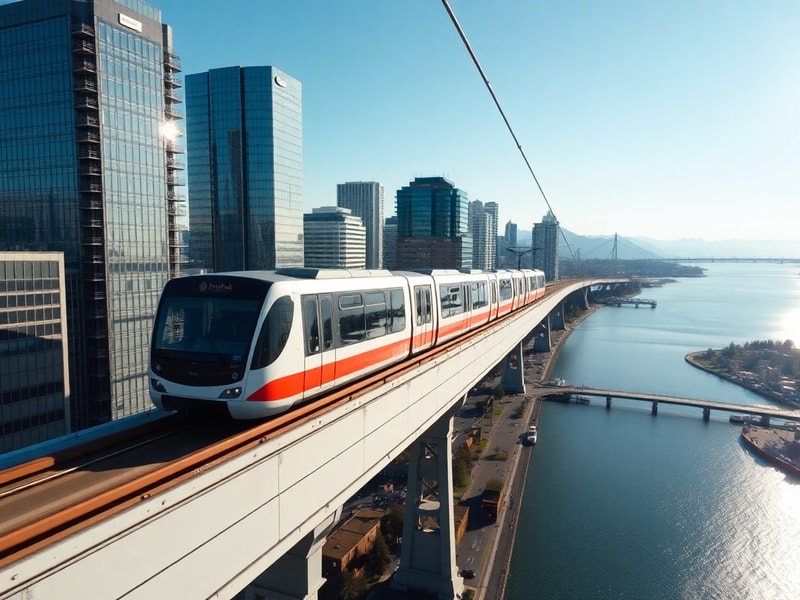
Public transportation systems are the lifeblood of modern cities, connecting millions of people to their workplaces, schools, and leisure destinations every day. Among these systems, TransLink has emerged as a model of efficiency and innovation, serving as a blueprint for urban mobility worldwide. While the name often refers to specific regional operators, the broader concept of TransLink—a unified, integrated transit network—represents a global shift toward seamless, multi-modal transportation.
From Vancouver’s sprawling SkyTrain network to London’s Oyster card system, TransLink-style operations demonstrate how cities can reduce congestion, lower emissions, and improve quality of life. But what exactly defines a TransLink system? How did it evolve from a local initiative to a global standard? And what challenges do these networks face in an era of rapid urbanization and technological change?
The Origins and Evolution of TransLink Systems
The concept of TransLink traces its roots to the mid-20th century, a time when cities began grappling with the unintended consequences of car-centric development. Sprawl, pollution, and gridlock prompted urban planners to rethink mobility. Vancouver, a city known for its progressive policies, launched TransLink in 1999 as a regional transportation authority. It consolidated bus, rail, and ferry services under one governing body, streamlining operations and improving accountability.
This model soon spread. In Europe, cities like Berlin and Paris adopted integrated ticketing systems that allowed passengers to transfer seamlessly between buses, trams, and metros using a single card. Meanwhile, in Asia, Tokyo’s Suica and Pasmo systems revolutionized daily commuting by integrating payment with smart technology. These systems didn’t just improve efficiency—they reshaped urban culture, making public transit the preferred choice for millions.
The evolution of TransLink systems reflects broader societal shifts. As climate change concerns grew, so did the urgency to reduce carbon footprints. Governments began investing in electric buses, bike-sharing programs, and last-mile solutions—all under the umbrella of integrated transit. Today, TransLink is more than a service; it’s a philosophy of connectivity that prioritizes accessibility, sustainability, and user experience.
How TransLink Systems Work: Integration and Technology
A true TransLink system is defined by two core principles: integration and technology. Integration means unifying disparate transit modes—buses, trains, ferries, trams, and even bike-share programs—into a cohesive network. Passengers no longer need to navigate separate fare structures or schedules. Instead, they enjoy a single payment system, real-time tracking, and consistent service standards.
Technology plays a crucial role in making this possible. Modern TransLink systems rely on:
- Smart cards and mobile apps: Systems like London’s Oyster or New York’s MetroCard allow passengers to pay with a tap or a swipe, reducing boarding times and congestion.
- Real-time data: Apps like Transit or Citymapper provide live updates on delays, alternative routes, and crowd levels, empowering commuters to make informed decisions.
- Intermodal hubs: Stations like Tokyo’s Shinjuku or Hong Kong’s Central act as transit nodes, connecting multiple lines and modes in one location.
- Contactless payment: Systems like Sydney’s Opal or Vancouver’s Compass Card use RFID technology to speed up transactions and reduce fare evasion.
But technology alone isn’t enough. Successful TransLink systems require strong governance, transparent funding, and a commitment to equity. Cities like Singapore and Zurich have demonstrated how public-private partnerships can sustain high-quality service without overburdening taxpayers. Others, like Los Angeles, have struggled with fragmentation, proving that integration must be both technical and institutional.
The Cultural Impact of TransLink: More Than Just Commuting
TransLink systems don’t just move people—they shape communities. In cities where transit is reliable, neighborhoods thrive. Property values near stations often rise. Local businesses benefit from increased foot traffic. And public spaces, once dominated by cars, become more pedestrian-friendly. Vancouver’s TransLink, for example, has been credited with revitalizing downtown cores and reducing car dependency in suburbs.
Culturally, these systems foster a sense of shared identity. The iconic design of Tokyo’s metro maps or the rhythmic announcements of Paris’s RATP trains become part of a city’s soundtrack. In multicultural hubs like London or Toronto, transit becomes a microcosm of society, where people from diverse backgrounds interact daily. It’s a quiet but powerful form of social cohesion.
Yet, TransLink systems also reflect societal inequalities. In some cities, transit deserts—areas with poor or nonexistent service—disproportionately affect low-income communities and marginalized groups. The challenge for modern TransLink operators is to ensure that integration doesn’t just mean efficiency, but also equity. Programs like reduced-fare cards for students or discounted passes for seniors are steps in the right direction.
Global Case Studies: Lessons from Leading TransLink Systems
To understand the potential—and pitfalls—of TransLink systems, it’s worth examining a few global leaders:
- Tokyo, Japan: The Suica and Pasmo systems are legendary for their speed, reliability, and integration with everything from convenience stores to vending machines. The city’s transit culture is so ingrained that many residents rarely consider owning a car.
- Zurich, Switzerland: Known for its punctual trains and extensive tram network, Zurich’s system is a model of public-private collaboration. The city’s commitment to transit over cars has kept congestion low and air quality high.
- Curitiba, Brazil: Often cited as a pioneer in Bus Rapid Transit (BRT), Curitiba’s TransLink-inspired system prioritizes high-capacity buses on dedicated lanes, reducing travel times and emissions in a rapidly growing city.
- Hong Kong: With one of the highest transit ridership rates in the world, Hong Kong’s MTR system is not just a transportation network but a real estate giant, generating revenue from station-adjacent developments.
Each of these examples offers lessons. Tokyo shows how technology can enhance user experience. Zurich demonstrates the importance of long-term planning. Curitiba highlights how TransLink principles can adapt to resource-constrained environments. And Hong Kong proves that transit can be financially sustainable when integrated with urban development.
The Future of TransLink: Challenges and Opportunities
The next decade will be critical for TransLink systems. Rapid urbanization, climate change, and the rise of autonomous vehicles present both challenges and opportunities. Cities must grapple with aging infrastructure, funding gaps, and the need for digital inclusivity. Yet, the potential rewards are enormous: reduced emissions, improved public health, and more vibrant communities.
Several trends are shaping the future of TransLink:
- Mobility as a Service (MaaS): Platforms like Whim in Helsinki are integrating transit with ride-sharing, bike rentals, and car subscriptions, offering a single app for all mobility needs.
- Electrification: Cities like Shenzhen, China, have transitioned entire bus fleets to electric, cutting emissions and noise pollution.
- Data-driven optimization: AI and machine learning are being used to predict demand, optimize routes, and even adjust fares dynamically based on ridership patterns.
- Accessibility innovations: From tactile paving for the visually impaired to priority seating alerts, TransLink systems are becoming more inclusive.
However, these advancements won’t happen without addressing systemic issues. Funding remains a perennial challenge, particularly as cities face competing priorities like housing and healthcare. Political will is essential to sustain investment and resist car-centric lobbies. And as systems grow more complex, cybersecurity risks—from data breaches to hacking of signaling systems—must be mitigated.
Despite these hurdles, the momentum behind TransLink systems is undeniable. As more cities recognize the economic, environmental, and social benefits of integrated transit, the model will continue to evolve. The goal isn’t just to move people from point A to point B, but to create cities that are more equitable, sustainable, and connected.
A Final Thought: Why TransLink Matters
In an age of division and distraction, TransLink systems offer a rare example of collective progress. They remind us that infrastructure isn’t just about steel and concrete—it’s about people. It’s about a student catching the last bus home, a senior accessing healthcare without a car, or a tourist navigating a new city with ease. These systems reflect our priorities as societies: Do we value speed over sustainability? Convenience over community?
The best TransLink systems answer these questions by putting people first. They show that mobility isn’t just a functional need; it’s a cultural cornerstone. As cities around the world continue to grow, the principles of TransLink—integration, innovation, and inclusivity—will be key to building thriving urban futures.