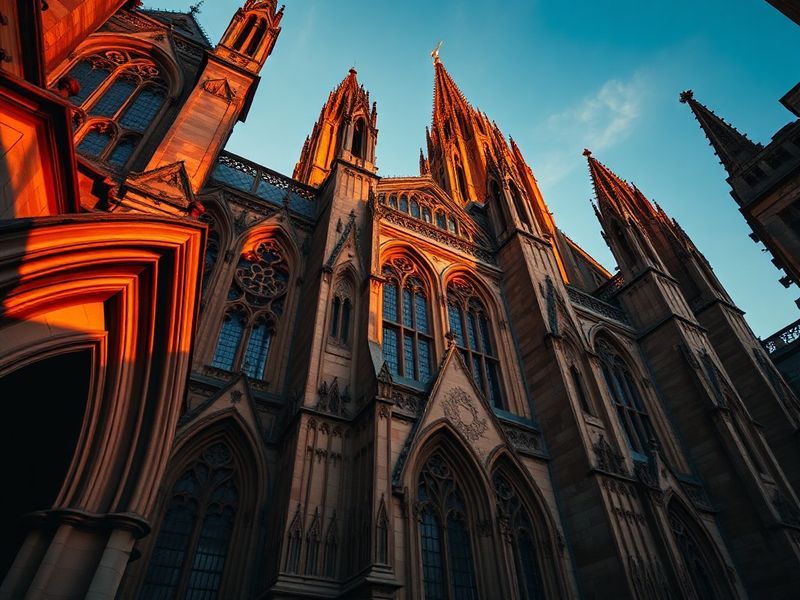
Nestled in the heart of the Balkans, Bosnia and Herzegovina (BiH) is a country of striking contrasts. Its landscape ranges from the rugged peaks of the Dinaric Alps to the sun-drenched shores of the Adriatic Sea. Beyond its natural beauty, BiH carries a legacy of layered history, where Ottoman mosques stand beside medieval Christian churches, and Austro-Hungarian architecture blends with Yugoslav-era monuments. This intricate mosaic reflects centuries of coexistence, conflict, and cultural exchange. Today, the nation navigates a delicate balance between preserving its rich heritage and confronting the political and social hurdles that define its present.
The Historical Fabric of Bosnia and Herzegovina
Bosnia and Herzegovina’s history is a testament to resilience and adaptation. The region’s strategic location has made it a crossroads for empires and cultures. The Illyrians were among the earliest known inhabitants, followed by Roman conquest in the 1st century BCE. By the Middle Ages, Bosnia emerged as a distinct medieval kingdom, independent from both the Byzantine and Holy Roman Empires. The 15th century brought Ottoman rule, which lasted until the late 19th century and left an indelible mark on the country’s religious and architectural landscape.
The Austro-Hungarian Empire annexed BiH in 1878, introducing modernization and Western European influences. However, this period also sowed the seeds of ethnic tensions that would later erupt in the 20th century. The assassination of Archduke Franz Ferdinand in Sarajevo in 1914 ignited World War I, setting the stage for the formation of the Kingdom of Yugoslavia. During World War II, BiH became a battleground between fascist Ustaše forces and communist Partisans led by Josip Broz Tito. After the war, BiH became one of the six republics of socialist Yugoslavia, a federation that maintained relative stability until its dissolution in the early 1990s.
Key Historical Milestones
- 6th–12th Century: Medieval Bosnian Kingdom flourishes under rulers like Ban Kulin.
- 1463: Ottoman conquest begins, leading to the spread of Islam and the construction of mosques, bridges, and madrasas.
- 1878: Austro-Hungarian occupation introduces railways, schools, and European architectural styles.
- 1992–1995: Devastating war results in the Dayton Peace Agreement, which establishes a complex political system with two entities: the Federation of Bosnia and Herzegovina and Republika Srpska.
Cultural Diversity and National Identity
Bosnia and Herzegovina’s cultural identity is shaped by its three dominant ethnic groups: Bosniaks (Muslims), Serbs (Orthodox Christians), and Croats (Catholics). This diversity is celebrated in the country’s festivals, cuisine, and religious practices. Sarajevo, the capital, is often called the “Jerusalem of Europe” for its historical role as a meeting point of Islamic, Christian, and Jewish traditions. The city’s Baščaršija bazaar, with its Ottoman-era shops and cafes, offers a glimpse into the past, while modern galleries and music venues reflect its vibrant contemporary scene.
Music and literature also play a pivotal role in defining BiH’s cultural narrative. Sevdalinka, a melancholic genre of folk music, originated in Ottoman-era Sarajevo and remains a symbol of national identity. Writers like Ivo Andrić, the Nobel Prize-winning author of The Bridge on the Drina, have immortalized the country’s history through their works. Meanwhile, the annual Baščaršija Nights festival showcases a blend of traditional and contemporary performances, drawing artists and audiences from across the region.
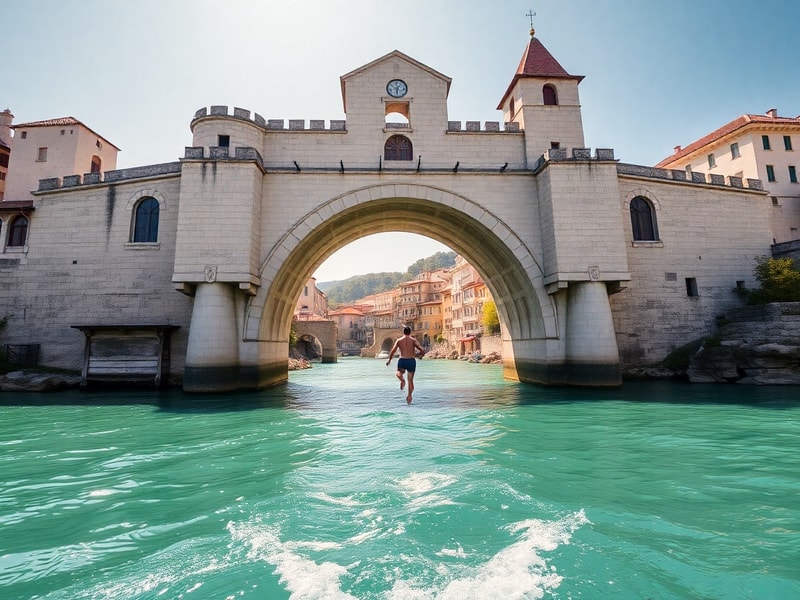
Yet, cultural preservation faces challenges. The legacy of the 1992–1995 war lingers in the form of divided cities and ethnic segregation. In Mostar, the iconic Stari Most bridge, destroyed during the conflict and rebuilt in 2004, serves as a powerful symbol of reconciliation. However, efforts to foster interethnic dialogue and unity are often overshadowed by political divisions. The country’s education system, for instance, remains highly segregated, with separate curricula for Bosniak, Serb, and Croat students.
Political Landscape: A Complex System
Bosnia and Herzegovina operates under one of the world’s most complex political systems, a direct result of the Dayton Peace Agreement. Signed in 1995, the agreement ended the war but also established a fragile power-sharing arrangement between the Federation of Bosnia and Herzegovina and Republika Srpska, with a rotating tripartite presidency representing the three main ethnic groups. This system was designed to prevent further conflict but has also led to political paralysis and inefficiency.
The country’s governance is further complicated by the role of the Office of the High Representative (OHR), an international body tasked with overseeing civilian implementation of the peace agreement. While the OHR has helped maintain stability, its presence is a source of contention, with critics arguing that it undermines local sovereignty. Meanwhile, nationalist parties continue to dominate the political landscape, often prioritizing ethnic interests over national progress.
Economic challenges compound these political issues. BiH has one of the lowest GDP per capita rates in Europe, with high unemployment and emigration rates, particularly among young people. Corruption and bureaucratic inefficiency further hinder development. However, there are signs of progress. The tourism sector, driven by attractions like the Una National Park and the medieval town of Počitelj, is growing. Additionally, initiatives to improve infrastructure and attract foreign investment are slowly gaining traction.
Broader Implications: Lessons from Bosnia and Herzegovina
Bosnia and Herzegovina’s experience offers valuable lessons in post-conflict reconstruction, cultural preservation, and the challenges of multiethnic governance. The country’s struggle to reconcile its past with its future serves as a case study in the complexities of nation-building. For scholars and policymakers, BiH highlights the importance of inclusive institutions and grassroots initiatives in fostering reconciliation. The work of organizations like the Post-Conflict Research Center, which promotes peacebuilding and interethnic dialogue, demonstrates how local efforts can bridge divides.
On a global scale, BiH’s story underscores the enduring impact of historical grievances and the role of international intervention in shaping post-conflict societies. It also raises questions about the effectiveness of power-sharing agreements in deeply divided societies. While Dayton brought an end to the war, it also entrenched ethnic divisions, raising concerns about the long-term viability of the current system. As Bosnia and Herzegovina looks to the future, the path forward will require not only political reforms but also a collective commitment to healing and unity.
For travelers and cultural enthusiasts, BiH remains a hidden gem. Its unspoiled landscapes, from the waterfalls of Kravice to the caves of Banja Luka, offer a retreat from the crowded tourist destinations of Western Europe. Meanwhile, its cities provide a living museum of history, where the echoes of empires past resonate in the present. Whether exploring the Ottoman-era streets of Mostar or hiking in the Sutjeska National Park, visitors are reminded of the country’s resilience and beauty.
As Bosnia and Herzegovina continues to evolve, it stands as a testament to the enduring power of culture and history. In a world often divided by borders and ideologies, BiH’s story is a reminder of the possibilities—and challenges—of coexistence. For those willing to look beyond the headlines, it offers a compelling narrative of survival, adaptation, and hope.
For further reading on related topics, explore our Travel and Culture sections.