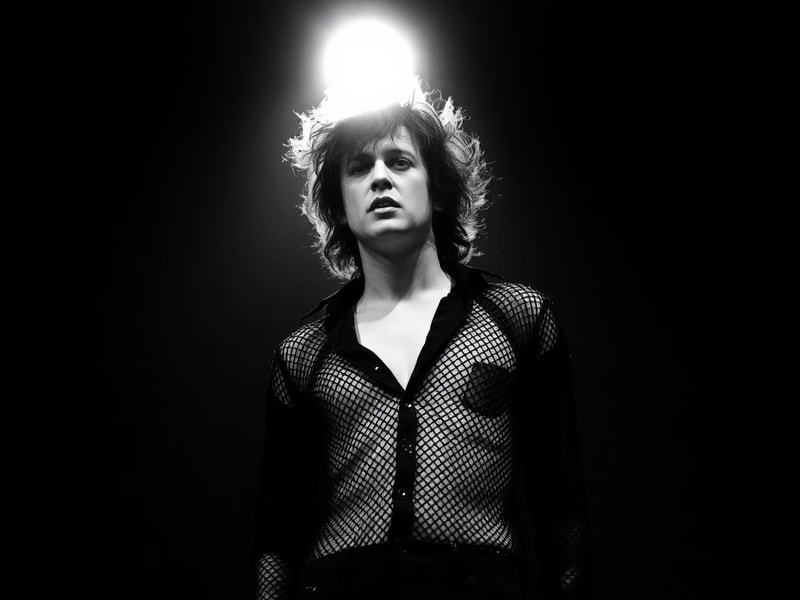
Robert Smith: The Enduring Legacy of The Cure’s Iconic Frontman
“`html
Robert Smith: The Timeless Influence of The Cure’s Frontman
Robert Smith, the enigmatic frontman of The Cure, has spent over four decades shaping alternative music and culture. His distinctive voice, gothic sensibilities, and signature smudged lipstick have made him one of the most recognizable figures in rock. Beyond his musical contributions, Smith’s influence extends to fashion, visual art, and even literature, cementing his status as a cultural icon.
Born on April 21, 1959, in Blackpool, England, Smith began his musical journey at an early age. Inspired by post-punk and new wave movements, he co-founded The Cure in 1976 with bassist Michael Dempsey and drummer Laurence Tolhurst. The band’s early work, including albums like Three Imaginary Boys (1979), reflected the raw energy of the punk era while hinting at the darker, more introspective sound that would define their legacy.
The Evolution of The Cure Under Robert Smith
The Cure’s discography is a testament to Smith’s artistic evolution. The band’s breakthrough came with Seventeen Seconds (1980) and Faith (1981), which introduced their signature melancholic sound. However, it was Pornography (1982) that solidified their reputation as pioneers of gothic rock. The album’s bleak lyrics and haunting melodies resonated with audiences seeking an escape from the optimism of mainstream music.
By the mid-1980s, The Cure had transitioned into a more accessible yet still deeply personal phase. Albums like The Top (1984) and The Head on the Door (1985) showcased Smith’s knack for blending pop sensibilities with dark themes. The latter album, in particular, marked a turning point, earning critical acclaim and broadening the band’s fanbase. Alternative music fans still regard The Head on the Door as a landmark release.
The late 1980s and early 1990s saw The Cure reach new heights with albums like Disintegration (1989), often cited as their magnum opus. The record’s lush arrangements and Smith’s introspective lyrics struck a chord with listeners, many of whom were navigating the complexities of adulthood. Tracks like “Lovesong” and “Pictures of You” became anthems for a generation, proving that The Cure’s music transcended genre boundaries.
Robert Smith’s Visual and Cultural Impact
Smith’s influence extends far beyond music. His androgynous aesthetic—characterized by dark eyeliner, smeared lipstick, and wild hair—has made him a fashion icon. In the 1980s, he became synonymous with goth subculture, inspiring countless artists and designers. His look was less about shock value and more about authenticity, reflecting the emotional turmoil that often fuels creative expression.
Smith’s visual artistry also extends to music videos and album covers. The Cure’s videos, such as the haunting “Close to Me” (1985), are masterclasses in blending music with surreal imagery. Similarly, album covers like Disintegration and Wish (1992) are iconic in their own right, often featuring Smith’s ethereal presence as a focal point. These visuals have left an indelible mark on pop culture, influencing everything from fashion editorials to indie film aesthetics.
Beyond aesthetics, Smith has been a vocal advocate for mental health awareness, a topic often intertwined with The Cure’s music. His lyrics frequently explore themes of depression, isolation, and existential dread, resonating with listeners who find solace in his honesty. In interviews, Smith has spoken openly about his struggles with anxiety and the pressures of fame, humanizing an otherwise enigmatic persona.
The Cure’s Enduring Legacy and Recent Work
The Cure’s longevity is a testament to Smith’s commitment to artistic integrity. While the band has faced lineup changes over the years, Smith has remained the constant force behind their music. Their 2004 album The Cure and 2008’s 4:13 Dream proved that the band could still evolve while staying true to their roots. More recently, The Cure has continued to tour extensively, drawing crowds of all ages who share a deep connection to their music.
In 2019, The Cure was inducted into the Rock & Roll Hall of Fame, a recognition of their decades-long impact on music. Smith’s induction speech was a poignant reflection on the band’s journey, highlighting the importance of perseverance and passion in the face of industry pressures. The honor also served as a reminder of how The Cure has remained relevant across generations, from their early punk roots to their current status as legends.
The band’s influence can be seen in the work of contemporary artists across genres. Bands like Interpol, The National, and even pop acts like Halsey have cited The Cure as an inspiration. Smith’s songwriting—marked by its emotional depth and poetic lyricism—continues to resonate with new listeners, proving that great art is timeless.
Robert Smith’s Philanthropy and Personal Life
Despite his reclusive public persona, Smith has been involved in various philanthropic efforts. He has supported organizations like the Teenage Cancer Trust and has used his platform to raise awareness for causes close to his heart. His dedication to charitable work reflects a quieter, more introspective side of his personality, one that contrasts with the wild image often associated with The Cure.
In his personal life, Smith has maintained a relatively private existence. He married his childhood sweetheart, Mary Poole, in 1988, and the couple remains together to this day. Smith has often credited Poole with providing stability in his life, allowing him to channel his creative energies into his music. Their relationship is a rare constant in the often tumultuous world of rock stardom.
Smith’s hobbies outside of music include painting and writing. He has described himself as a “visual artist” first and foremost, a sentiment that underscores his multidisciplinary approach to creativity. His paintings, often abstract and moody, offer a glimpse into the same emotional landscape that defines his music. For Smith, art is not just a profession but a way of life, a means of processing the world around him.
Why Robert Smith and The Cure Still Matter
In an era where music trends come and go, Robert Smith and The Cure stand as pillars of authenticity. Their music is a refuge for those who feel misunderstood or disconnected from mainstream culture. Whether through the soaring melodies of “Friday I’m in Love” or the brooding introspection of “Plainsong,” The Cure offers something for every mood and moment.
The band’s ability to evolve while staying true to their core identity is a rarity in the music industry. Smith’s refusal to conform to expectations—whether in music, fashion, or personal expression—has made him a symbol of artistic freedom. In a world that often prioritizes commercial success over creativity, Smith’s journey is a reminder of the power of staying true to oneself.
For new listeners discovering The Cure for the first time, Smith’s music can feel like a revelation. The raw emotion and poetic lyricism cut through the noise of modern music, offering a sense of connection and understanding. Whether you’re a longtime fan or a newcomer, The Cure’s catalog remains a vital part of the musical landscape.
As Robert Smith approaches his seventh decade, his legacy shows no signs of fading. The Cure continues to tour, and their music remains a soundtrack for countless lives. Smith’s influence can be seen in the artists he has inspired, the fans he has touched, and the culture he has helped shape. In the end, his greatest achievement may be the way his music has become a lifeline for those who need it most.
For those looking to explore more about alternative music and its pioneers, be sure to check out our Alternative Music category for curated recommendations and deep dives into the genre’s history.