SpaceX’s Ascent: From Private Venture to Public Investment Speculation
SpaceX has spent years redefining aerospace ambitions, but its journey into the financial spotlight has been more recent. Founded in 2002 by Elon Musk, the company began as a disruptor in rocket technology, focusing on reusable launch systems and cost reduction. While SpaceX remains privately held, its valuation trajectory has been a focal point for investors and analysts worldwide.
Public interest in SpaceX’s financial performance intensified after reports of potential public offerings and secondary market trading. The company’s valuation has soared on the back of milestones such as the first crewed commercial spaceflight, Starship development, and a growing constellation of Starlink satellites. These achievements have not only captured the attention of space enthusiasts but also of global investors seeking exposure to next-generation industries.
How to Interpret SpaceX Stock Price Movement
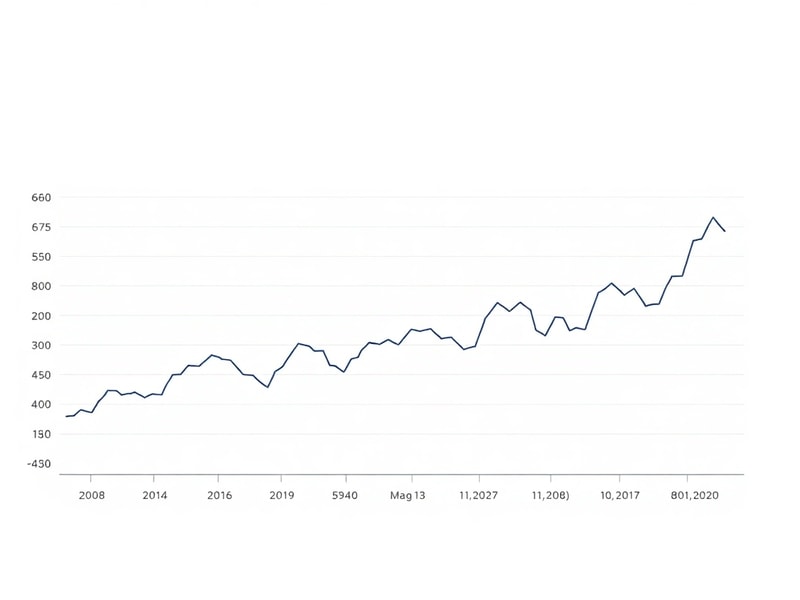
Analyzing SpaceX’s stock price chart requires understanding several key drivers. Unlike traditional public companies, SpaceX’s valuation is derived from private market transactions, funding rounds, and secondary sales. Investors track these movements closely as proxies for future public market performance.
Key indicators to watch include:
- Valuation Milestones: Funding rounds at increasing valuations signal growing investor confidence.
- Contract Wins: NASA partnerships and commercial satellite contracts often correlate with valuation spikes.
- Technological Breakthroughs: Progress on Starship, Starlink, or Raptor engines can shift market sentiment.
- Macro Conditions: Interest rates, inflation, and geopolitical factors influence appetite for high-risk, high-reward investments.
Global Investor Sentiment: A Mixed Picture
SpaceX’s appeal varies significantly by region, reflecting broader trends in space investment and technology adoption. In the United States, the company is often seen as a symbol of innovation, with retail and institutional investors alike speculating on its future public debut. Meanwhile, in Europe and Asia, interest is more tempered by regulatory scrutiny and competition from state-backed space programs.
In China, where space exploration is tightly controlled by the government, SpaceX’s commercial success has sparked debate about private sector participation in space. Some analysts argue that China’s space agencies may accelerate their own commercial ventures to keep pace. In India, the contrast is stark—government-led missions dominate, but private startups are emerging, inspired by SpaceX’s model.
Latin America presents another dynamic. While investment in space technology remains limited due to economic constraints, countries like Brazil and Mexico are exploring partnerships with SpaceX for satellite launches. These collaborations could serve as entry points for broader investor engagement in the future.
Comparing SpaceX to Traditional Space Industry Players
SpaceX’s valuation trajectory stands apart from legacy aerospace firms such as Boeing, Lockheed Martin, and Northrop Grumman. These companies operate within a slower-moving, government-dependent business model, where contracts and cost-plus pricing dominate. In contrast, SpaceX has leveraged private capital, vertical integration, and reusable technology to drive down costs and accelerate development cycles.
For investors, the comparison raises critical questions. Can SpaceX sustain its innovation pace while managing the risks of ambitious projects like Starship? How will competition from other private firms, such as Blue Origin and Rocket Lab, impact its market position? These factors contribute to the volatility seen in SpaceX’s valuation charts and influence broader perceptions of the space economy.
Starlink and Starship: The Dual Engines of SpaceX’s Valuation
Two of SpaceX’s most transformative projects—Starlink and Starship—have become central to its financial narrative. Starlink, the satellite internet venture, has already begun generating revenue through beta testing and commercial subscriptions. Its potential to disrupt global broadband markets has drawn comparisons to early internet infrastructure plays, with projections of tens of billions in future earnings.
Starship, on the other hand, represents a higher-risk, higher-reward proposition. As the most powerful rocket ever developed, its success could unlock missions to Mars and revolutionize point-to-point Earth travel. Yet, its development has faced setbacks, including explosive test failures, which have periodically dampened investor enthusiasm.
The interplay between these two ventures is crucial. Starlink’s revenue provides a financial cushion, while Starship’s progress signals long-term ambition. Investors tracking SpaceX’s stock price chart must weigh the near-term gains from Starlink against the transformative potential of Starship.
Looking Ahead: What’s Next for SpaceX Investors?
The most pressing question for those monitoring SpaceX’s financial trajectory is whether and when the company will go public. An initial public offering (IPO) would provide a clearer picture of its valuation and allow retail investors to participate directly. Until then, secondary market platforms and private investment funds remain the primary avenues for exposure.
Regulatory hurdles also loom large. SpaceX operates in a heavily regulated industry, with launch licenses, spectrum allocations, and international agreements shaping its business. Changes in U.S. or global policy could significantly impact its operations and valuation.
Culturally, SpaceX’s story resonates in an era where technology and exploration are increasingly intertwined. From Silicon Valley to Shanghai, the company embodies the fusion of entrepreneurial ambition and scientific progress. Its ability to capture the public imagination has translated into a unique brand of investor confidence, even in the absence of traditional financial metrics.
For now, SpaceX’s stock price chart remains a speculative guide to the future of space commerce. While it offers no guarantees, it does provide a lens into the evolving relationship between technology, investment, and human ambition.
Investors seeking to understand this landscape may also explore broader trends in technology and business innovation, where SpaceX’s story is part of a larger narrative about the democratization of space.