Cabo Verde: A Hidden Gem in the Atlantic
Nestled off the west coast of Africa, Cabo Verde (also known as Cape Verde) is a small island nation that punches far above its weight in terms of culture, tourism, and economic resilience. Comprising ten volcanic islands and five islets, this archipelago has evolved from a colonial outpost to a vibrant, independent democracy with a thriving diaspora community. Its strategic location made it a crucial stop for transatlantic trade during the Age of Exploration, and today, it serves as a crossroads for travelers seeking sun, music, and adventure.
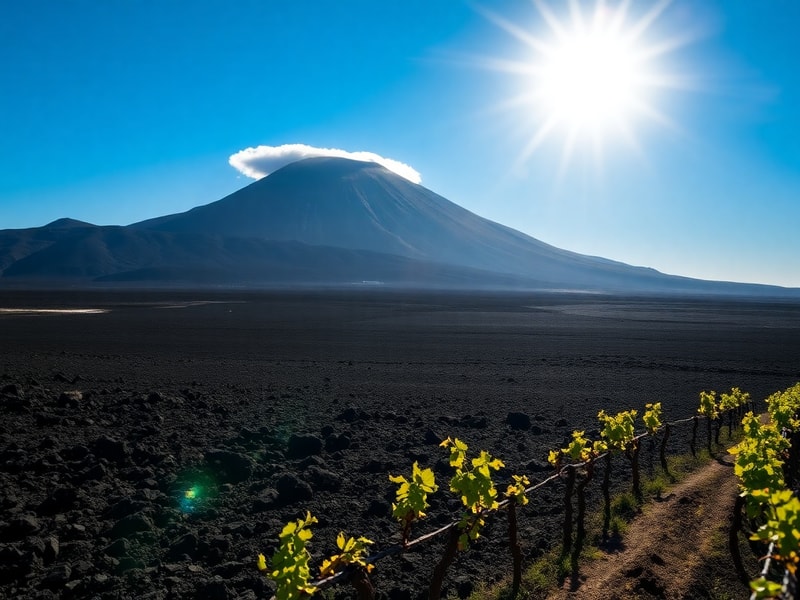
The islands—divided into the windward (Barlavento) and leeward (Sotavento) groups—offer starkly different landscapes, from the arid, lunar-like terrain of Sal and Boa Vista to the lush, green valleys of Santo Antão. Despite limited natural resources, Cabo Verde has leveraged its geography and cultural heritage to build a reputation as one of Africa’s most stable and welcoming destinations. Its appeal lies not just in its beaches, but in the warmth of its people, the rhythm of its music, and the authenticity of its experiences.
The Cultural Heartbeat of Cabo Verde
Music is the lifeblood of Cabo Verdean identity. The nation’s most famous export, morna—a soulful, melancholic genre—was immortalized by the late Cesária Évora, the country’s beloved “Barefoot Diva.” Her music, characterized by haunting melodies and poetic lyrics, reflects the islands’ history of struggle, resilience, and longing. While morna remains iconic, other genres like funaná and coladeira pulse through the streets of Mindelo and Praia, especially during festivals like the Carnival of Mindelo or the Kriol Jazz Festival.
Cabo Verde’s cultural scene is a fusion of African rhythms, Portuguese influences, and Brazilian flavors. The Creole language, Kriolu, is spoken widely, and its literature—such as the works of Germano Almeida—explores themes of identity, colonialism, and modernity. The islands’ architecture, too, tells a story: pastel-colored buildings in Cidade Velha, a UNESCO World Heritage site, stand in contrast to the modern resorts of Sal, showcasing the country’s layered history.
Tourism and Economic Growth: A Delicate Balance
Tourism is the cornerstone of Cabo Verde’s economy, accounting for nearly 25% of its GDP. The government has invested heavily in infrastructure, with international airports on Sal, Boa Vista, and Santiago facilitating arrivals from Europe and the Americas. Resorts like the Riu Palace in Boa Vista and the boutique hotels in Santo Antão cater to luxury travelers, while eco-lodges in Fogo and São Nicolau attract adventurers and sustainability-minded visitors.
However, the rapid growth of tourism has raised concerns about overdevelopment and environmental strain. The government has responded with initiatives like the “Sustainable Tourism” program, which promotes eco-friendly practices and community-based tourism. Projects such as the rehabilitation of historic sites in Cidade Velha and the promotion of agrotourism in Santiago aim to balance economic benefits with cultural and ecological preservation.
One of the most promising developments is the diversification of tourism offerings. Cabo Verde is positioning itself not just as a beach destination but as a hub for adventure sports, including kitesurfing in Sal, hiking in Santo Antão, and whale watching in Boa Vista. The country’s bid to host the 2026 FIFA World Cup—a longshot but symbolically significant—highlights its ambition to elevate its global profile.
Political Stability and Diaspora Influence
Since gaining independence from Portugal in 1975, Cabo Verde has maintained a reputation as one of Africa’s most stable democracies. The country ranks high in governance indicators, with transparent elections and a strong rule of law. Its foreign policy emphasizes neutrality and multilateralism, making it a trusted mediator in regional conflicts. Cabo Verde’s success in avoiding the “resource curse” that plagues many African nations is often attributed to its lack of significant mineral wealth—pushing it to invest in human capital instead.
The diaspora—particularly in the United States, Portugal, and the Netherlands—plays a crucial role in the nation’s economy. Remittances from abroad account for up to 10% of GDP, funding everything from education to small businesses. This transnational connection has also fueled cultural exchange, with diaspora artists and entrepreneurs contributing to Cabo Verde’s creative and economic vitality.
Challenges and Opportunities Ahead
Despite its progress, Cabo Verde faces hurdles. Climate change poses an existential threat, with rising sea levels endangering low-lying islands like Sal and Boa Vista. The country is vulnerable to droughts and desertification, which strain its already limited water supply. In response, Cabo Verde has joined international climate agreements and is exploring renewable energy projects, such as wind farms in Santiago and solar power initiatives.
Another challenge is youth unemployment, which hovers around 30%. While tourism provides jobs, many young Cabo Verdeans seek opportunities abroad. The government is addressing this through vocational training programs and incentives for entrepreneurship, particularly in tech and creative industries. The rise of remote work during the pandemic has also opened new possibilities, with Cabo Verde positioning itself as a “digital nomad” destination.
Looking ahead, Cabo Verde’s future hinges on its ability to leverage its strengths while mitigating risks. The country’s success in navigating these challenges could serve as a model for other small island nations facing similar pressures. For travelers, investors, and cultural enthusiasts, Cabo Verde remains a destination worth watching.
Why Cabo Verde Matters
Cabo Verde’s story is one of resilience and reinvention. From its colonial past to its democratic present, the nation has defied expectations to carve out a unique identity. Its blend of African, European, and Latin American influences creates a cultural richness that is both familiar and exotic. For those seeking an alternative to overcrowded tourist hotspots, Cabo Verde offers an authentic, off-the-beaten-path experience.
Beyond tourism, Cabo Verde’s stability and cultural vibrancy make it a compelling case study in post-colonial nation-building. Its ability to balance tradition with modernity—whether in music, governance, or economic policy—demonstrates what is possible when creativity and pragmatism go hand in hand.
Key Takeaways About Cabo Verde
- Cultural Fusion: Cabo Verde’s music, language, and architecture reflect a blend of African, Portuguese, and Brazilian influences.
- Tourism Powerhouse: The islands attract visitors with beaches, adventure sports, and eco-friendly initiatives, though sustainability remains a concern.
- Political Stability: Cabo Verde is one of Africa’s most democratic and stable nations, with a strong diaspora contributing to its economy.
- Climate Vulnerability: Rising sea levels and droughts threaten the islands, prompting investment in renewable energy and climate adaptation.
- Economic Diversification: Beyond tourism, Cabo Verde is exploring tech, renewable energy, and digital nomadism to fuel growth.
A Final Thought
Cabo Verde may be small in size, but its impact is outsized. Whether through the soul-stirring melodies of morna, the breathtaking landscapes of Santo Antão, or the warmth of its people, the islands leave an indelible mark on visitors. As the world grapples with climate change, inequality, and cultural homogenization, Cabo Verde offers a reminder of what is possible when a nation embraces its heritage while boldly stepping into the future.