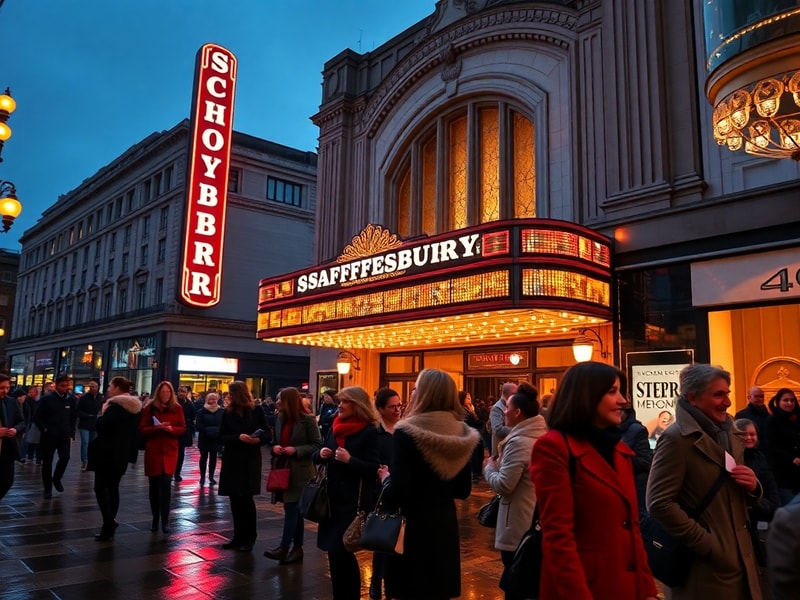
The Shaftesbury Theatre stands as one of London’s most enduring venues, blending rich history with contemporary performance. Opened in 1911, it has hosted legendary shows, survived wartime challenges, and evolved into a cultural landmark. Its red-brick façade and gilded interior tell stories of theatrical triumphs and reinvention.
A Century of Theatre in the Heart of London
Nestled on Shaftesbury Avenue in the West End, the Shaftesbury Theatre has been a witness to over a century of theatrical evolution. Originally designed by architect Bertie Crewe, the venue opened as the New Prince’s Theatre before adopting its current name in 1914. Its location—close to Covent Garden and Piccadilly Circus—placed it at the crossroads of London’s cultural life.
The theatre’s early years were marked by grand productions, including operettas and musical comedies. By the mid-20th century, it had become a staple for British theatregoers, hosting West End premieres that defined generations. Its resilience was tested during World War II, when it narrowly avoided destruction during the Blitz. The building’s survival symbolized the unyielding spirit of London’s arts scene.
Today, the Shaftesbury Theatre remains a living archive of theatrical innovation. Its stage has seen everything from classic plays to groundbreaking new works, cementing its role as a cornerstone of London’s cultural identity.
Iconic Productions That Defined a Generation
The Shaftesbury Theatre’s legacy is inseparable from the productions that graced its stage. Among its most celebrated runs is Hair, which opened in 1968 and ran for nearly five years—a bold statement for the era. The show’s countercultural themes and revolutionary staging challenged norms and set a precedent for future theatrical experimentation.
Decades later, the theatre became synonymous with Jersey Boys, the jukebox musical that chronicled the rise of Frankie Valli and The Four Seasons. The production’s success in the 2000s revitalized the venue’s reputation as a premier destination for hit musicals. Its run of over 1,000 performances proved that the Shaftesbury Theatre could still draw crowds from across the globe.
More recently, the theatre has hosted critically acclaimed revivals, including Mack & Mabel and Company, further solidifying its place in London’s theatrical landscape. Each production reflects the venue’s ability to adapt while honoring its storied past.
Key Shows That Shaped the Shaftesbury Theatre
- Hair (1968–1973) – A cultural milestone that brought rock music and nudity to the West End.
- Jersey Boys (2008–2017) – A commercial triumph that ran for nearly a decade.
- Mack & Mabel (2015) – A revival that showcased the theatre’s commitment to classic musicals.
- Company (2018–2019) – A gender-swapped production that redefined a modern classic.
The Theatre’s Role in London’s Evolving Arts Scene
The Shaftesbury Theatre is more than a performance space; it’s a barometer for London’s artistic trends. In an era dominated by streaming and digital entertainment, live theatre remains a vital cultural experience. The Shaftesbury Theatre’s ability to consistently fill seats speaks to its enduring appeal.
Its programming reflects a balance between nostalgia and innovation. While revivals of classics draw audiences seeking familiarity, new works push boundaries and attract younger patrons. This dual approach ensures the theatre remains relevant across generations.
The venue also plays a role in London’s tourism economy. West End shows are a major draw for international visitors, and the Shaftesbury Theatre’s prime location makes it a must-visit stop. Its presence contributes to the economic vitality of the surrounding area, supporting local businesses and hotels.
“The Shaftesbury Theatre is a testament to the power of live performance. In a city of constant change, it remains a steady beacon for storytelling and creativity.”
— Theatre historian Dr. Eleanor Whitmore
Preserving History While Embracing the Future
Maintaining a historic theatre in a modern city presents unique challenges. The Shaftesbury Theatre has undergone renovations to preserve its architectural integrity while upgrading facilities for contemporary audiences. These efforts ensure that the venue remains accessible and comfortable for today’s theatregoers.
Looking ahead, the theatre faces the same pressures as other West End venues: rising costs, competition from digital media, and the need to attract diverse audiences. Yet, its track record suggests a bright future. The Shaftesbury Theatre’s ability to reinvent itself while honoring its past positions it as a model for other historic venues.
For aspiring performers, the theatre remains a dream destination. Its stage has launched careers and provided a platform for both established stars and emerging talent. The Shaftesbury Theatre’s ongoing relevance is a reminder that great theatre is timeless.
Whether you’re a lifelong theatre enthusiast or a first-time visitor, the Shaftesbury Theatre offers an experience that transcends time. Its stage has seen empires rise and fall, yet it continues to shine—just as brightly as it did over a century ago.
For more on London’s theatrical landmarks, explore our Theatre and West End categories on Dave’s Locker.