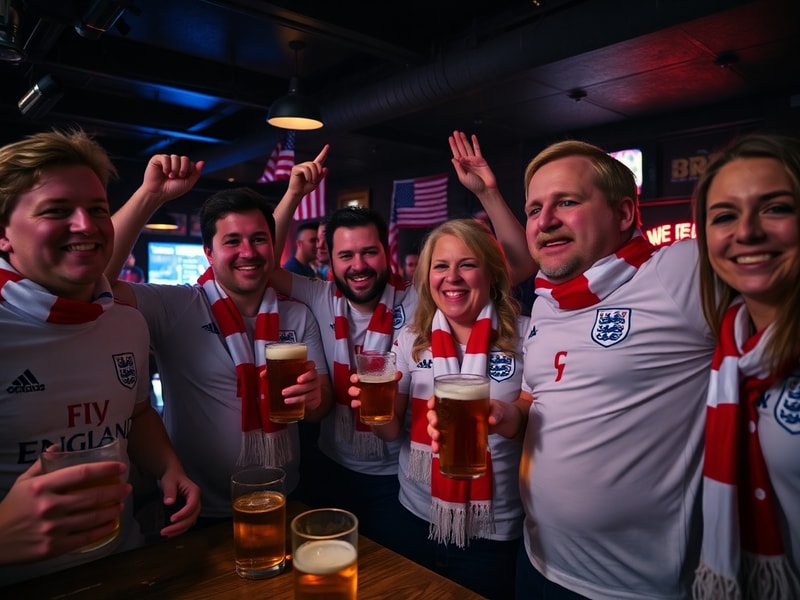
The roar of Three Lions chants echoed through the streets of Dallas when England fans descended on the city during the 2026 FIFA World Cup. Unlike traditional sports gatherings, this event became a cultural fusion, blending English traditions with Texas-sized hospitality. The result was a unique atmosphere that left both locals and visitors wondering why more international tournaments don’t follow this blueprint.
Dallas proved to be the perfect host for England’s supporters. The city’s sprawling sports bars, massive public viewing areas, and surprisingly British-friendly venues created an environment where fans could celebrate comfortably. What started as a logistical challenge—accommodating tens of thousands of traveling supporters—transformed into a model for future global sporting events.
How Dallas Welcomed England’s Fanbase
The city’s preparation began months before the first England match. AT&T Stadium, home of the Dallas Cowboys, became the unofficial “home away from home” for Three Lions fans. With a capacity of over 92,000, it offered the perfect scale for England’s massive following. Local organizers worked closely with FIFA to ensure fan zones met international standards while maintaining the spirit of English football culture.
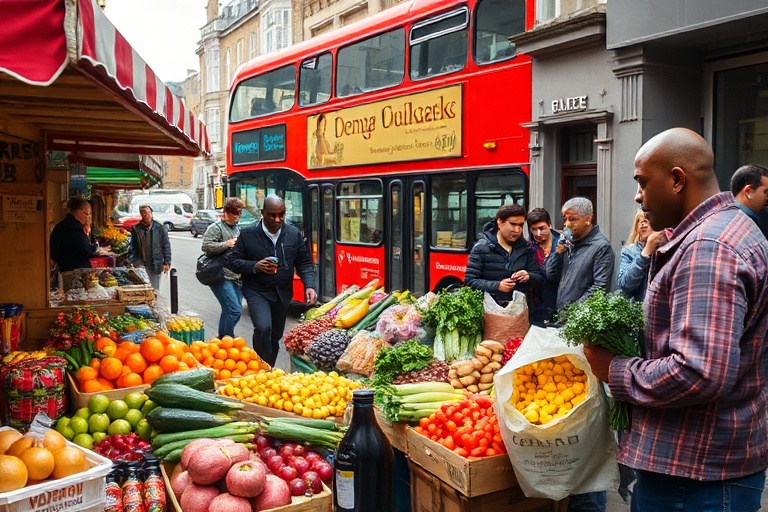
Public viewing areas popped up across downtown Dallas, each equipped with giant screens and British-themed food options. Pubs like The Ginger Man and The Crown and Anchor—known for their strong English connections—saw record crowds. Even non-football venues like the Dallas Arboretum hosted viewing parties, blending sports with local culture.
Transportation also played a key role. Dallas Area Rapid Transit (DART) added extra buses and trains to handle matchday traffic, while ride-share services partnered with fan groups to coordinate safe travel. The city’s international airport, DFW, saw a 15% increase in flights from the UK during the tournament, proving that England’s fanbase is as global as it gets.
The Unique Atmosphere: Why England Fans Stand Out
England supporters have a reputation for being loud, passionate, and—let’s be honest—slightly unpredictable. Dallas provided the perfect stage for this energy. Unlike more reserved fan cultures, England fans brought a carnival-like atmosphere to every venue. From pub singalongs to choreographed stadium displays, their presence turned matches into unforgettable experiences.
One of the most striking aspects was the blend of cultures. English fans embraced Texan hospitality, while locals reciprocated with genuine curiosity. Many Dallas residents who had never watched a football match before found themselves swept up in the excitement. The city’s diverse food scene even adapted, with vendors offering British classics like pies, fish and chips, and pints of lager alongside traditional Texas BBQ.
The fan experience extended beyond the stadium. Many supporters stayed for days before and after matches, exploring Dallas’s attractions. The Sixth Floor Museum, the Dallas World Aquarium, and even local honky-tonks became part of the England fan itinerary. This extended engagement benefited local businesses, proving that sporting events can drive tourism long after the final whistle.
The Challenges and Lessons from Dallas
Organizing an event of this scale wasn’t without hurdles. Crowd management in busy downtown areas required careful planning, especially during matches that attracted over 50,000 fans. Police and emergency services worked in shifts to ensure safety, while medical teams stood by to handle heat-related incidents—a common concern in Texas summers.
Security was another priority. While England fans are generally well-behaved, past tournaments have seen isolated incidents. Dallas law enforcement implemented a visible but unobtrusive presence, focusing on education and engagement rather than strict enforcement. This approach helped maintain a positive atmosphere while ensuring everyone’s safety.
Logistics also posed challenges. Many England fans arrived without tickets, hoping to find last-minute options. Official resale platforms worked overtime to accommodate demand, while fan groups organized unofficial watch parties for those unable to secure match tickets. The lesson? Flexibility is key when dealing with a fanbase as large and enthusiastic as England’s.
What’s Next for England Fans and Global Tournaments
The success of England’s fanbase in Dallas has set a new standard for future World Cups. Cities bidding to host matches must now consider not just stadium capacity, but fan experience, cultural integration, and logistical support. The 2026 tournament proved that a well-organized fan zone can turn a sporting event into a cultural phenomenon—without relying on gimmicks.
For England fans, Dallas was more than just a stop on the World Cup tour. It was a reminder of the power of football to bring people together. The friendships formed, the memories created, and the shared passion for the game transcended borders. As the tournament moves forward, one thing is clear: England’s supporters will be ready to travel, celebrate, and make their presence felt.
For cities hoping to host future tournaments, the message is equally clear. Invest in infrastructure, embrace local culture, and prioritize fan experience. The result could be a World Cup that’s not just about the game, but about the people who make it unforgettable.
As for England’s fans? They’ve already started planning their next adventure. Whether it’s another World Cup or a European Championship, one thing is certain—they’ll bring the noise, the spirit, and the undeniable charm that makes them one of football’s most beloved fanbases. Sports enthusiasts and global travelers alike would do well to take notes.
For more on international sports events and fan experiences, visit Dave’s Locker.