Caitlin Clark’s impact on the WNBA has become impossible to ignore. The Indiana Fever guard has spent the 2024 season rewriting record books, shattering scoring milestones, and capturing the imagination of basketball fans not just in the United States, but around the globe. Her performances have transcended the court, turning All-Star voting into a cultural moment that reflects the growing internationalization of women’s basketball.
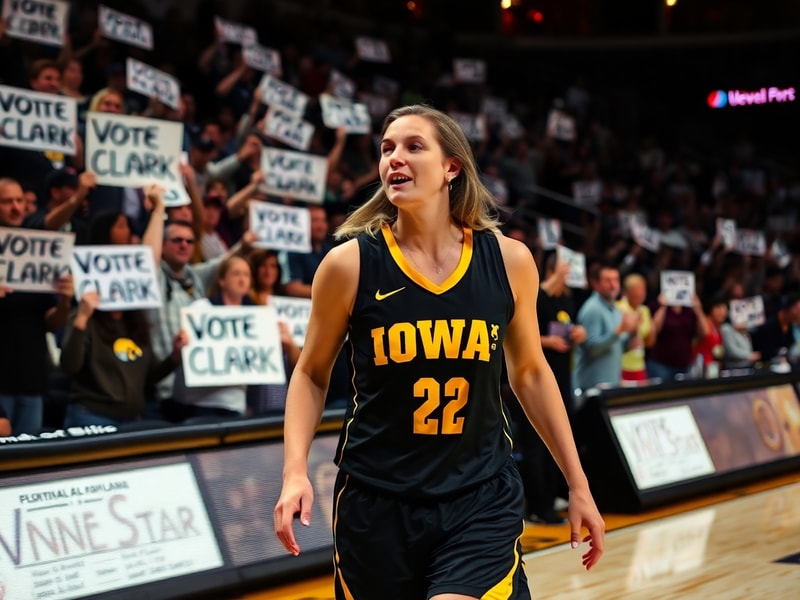
As the 2024 WNBA All-Star fan voting period draws to a close, Clark’s name sits atop the ballot, a testament to her meteoric rise and the changing dynamics of fan engagement in professional sports. But this isn’t just about a single player’s popularity. It’s about how social media, accessibility, and shifting cultural narratives are reshaping the way we consume and celebrate sports. Clark’s journey from college standout to global icon mirrors the broader evolution of the WNBA itself—one that is becoming younger, more digital, and more globally connected.
The Numbers Behind the Moment
Clark’s All-Star campaign is backed by staggering statistics. As of mid-June, she led the WNBA in scoring, averaging over 20 points per game while dishing out nearly eight assists. Her ability to control the pace of the game and generate offense has made her the focal point of opposing defenses. But what sets her apart is not just her scoring—it’s the way she involves her teammates. Clark is currently second in the league in assists, a rare combination that highlights her dual-threat capability.
Her influence extends beyond box scores. Clark’s jersey became the best-selling WNBA merchandise item within weeks of the season tip-off. According to the league, her sales outpaced those of established stars like Breanna Stewart and A’ja Wilson for the first time in league history. This surge in popularity isn’t confined to the United States. International markets, particularly in Europe and Asia, have shown increasing interest in the WNBA, with Clark’s highlight-reel plays going viral on platforms like TikTok and Instagram Reels.
All-Star Voting in the Digital Age
The 2024 WNBA All-Star voting process has become a digital spectacle. Fans cast their votes across multiple platforms, including the official WNBA website, social media integrations, and even through partnerships with tech companies. This year, the league introduced a new feature: real-time vote tracking that updates every few hours, allowing fans to see how their favorite players’ standings shift over time. Clark’s lead has remained consistent, but the margin has fluctuated as other stars like Sabrina Ionescu and A’ja Wilson have mounted strong campaigns.
Social media has amplified the voting process in unprecedented ways. Platforms like Twitter (now X), Instagram, and YouTube have become battlegrounds where fans debate not just the merits of individual players, but the future direction of the league. Memes, player comparisons, and even political undertones have seeped into the conversation. For instance, some fans argue that Clark’s rise is a reflection of the WNBA’s push to market younger, more relatable stars to a new generation of fans. Others point to the long-standing dominance of veteran players and question whether the league is becoming too reliant on a single face.
The global reach of WNBA All-Star voting is perhaps its most striking feature. International fans, who once had limited access to games, now watch live streams, follow player social media accounts, and participate in fan communities on platforms like Reddit and Discord. The WNBA’s partnership with YouTube has been particularly impactful, offering free live broadcasts of games in select international markets. This accessibility has helped Clark and her peers cultivate a fanbase that spans continents, with supporters in countries like Australia, Germany, and Japan passionately advocating for their favorite players.
The Cultural Shift in Women’s Sports
Clark’s All-Star bid is more than a personal milestone—it’s a symbol of a larger cultural shift in women’s sports. The WNBA has long been a pioneer in gender equity, but recent years have seen a surge in visibility, investment, and cultural relevance. The league’s average attendance has risen by nearly 20% since 2019, and broadcast ratings have climbed steadily. Clark’s arrival has accelerated this trend, drawing comparisons to the impact LeBron James had on the NBA in the early 2000s.
However, this shift is not without its challenges. While Clark’s popularity has grown, so too have debates about the WNBA’s identity. Some critics argue that the league’s focus on individual stars risks overshadowing the team-first ethos that has defined women’s basketball. Others worry that the commercialization of the sport could lead to a dilution of its core values, such as advocacy for social justice and gender equality. The league has responded by doubling down on its commitment to community engagement and activism, with players like Clark using their platforms to advocate for causes ranging from education reform to LGBTQ+ rights.
The internationalization of the WNBA also presents opportunities and challenges. While global expansion has brought new fans and sponsors, it has also raised questions about cultural relevance. For example, basketball is a dominant sport in the Philippines, yet the WNBA has struggled to gain traction in that market compared to the NBA. Clark’s popularity could help bridge that gap, but it will require strategic investment in grassroots programs and media partnerships.
What’s Next for Clark and the WNBA
As the All-Star voting period nears its conclusion, the spotlight on Caitlin Clark shows no signs of dimming. Whether she wins the fan vote or not, her impact on the league is undeniable. The WNBA’s next challenge will be to sustain this momentum beyond the All-Star break. The league has already taken steps to capitalize on the surge in interest, including expanding its schedule to include more nationally televised games and investing in youth basketball programs.
For Clark, the focus remains on her team. The Indiana Fever, despite their struggles this season, have become must-watch basketball. Fans flock to games not just to see Clark, but to witness the next generation of WNBA stars take the court alongside her. The Fever’s home games at Gainbridge Fieldhouse have become a hub for innovation, with the team experimenting with new fan engagement strategies, such as augmented reality experiences and interactive halftime shows.
The WNBA’s future looks brighter than ever, but it will require a delicate balance between embracing growth and staying true to its roots. Clark’s All-Star campaign is a reminder that the league is not just a collection of teams and players—it’s a movement. And like any movement, its success depends on the passion of its fans, the vision of its leaders, and the willingness of its stars to use their platforms for change.
As the world watches, Caitlin Clark is more than a basketball player. She’s a cultural icon in the making, a symbol of what’s possible when talent, opportunity, and technology collide. The 2024 WNBA All-Star voting is just the beginning.