Fans of the gritty supernatural thriller Widows Bay won’t have to wait much longer for the next chapter. Season 2 has officially been confirmed, bringing back the eerie coastal setting and the complex web of secrets that made the first season so compelling. With production already underway, anticipation is building around what new horrors and human dramas will unfold along the fog-drenched shores of Widows Bay.
What’s at Stake in Season 2
The first season of Widows Bay masterfully blended psychological tension with supernatural dread, following a group of women uncovering the dark history of their small town after a series of mysterious drownings. Season 2 promises to dig deeper into the town’s cursed past while introducing fresh conflicts that threaten to unravel everything the characters thought they knew.
One of the most intriguing developments is the expanded role of the town’s indigenous folklore. Early reports suggest that Season 2 will weave even more of Widows Bay’s native legends into the narrative, giving the story a richer cultural context. This isn’t just a gimmick—it reflects a growing trend in horror television to ground supernatural elements in authentic traditions rather than generic spookiness.
The show’s creators have also hinted at a shift in perspective. While Season 1 focused primarily on the women at the heart of the mystery, Season 2 is expected to delve into the perspectives of other townsfolk, including those who may have been complicit in the town’s dark rituals. This expansion could add moral complexity, forcing viewers to question who the real villains are.
Production Updates and Creative Direction
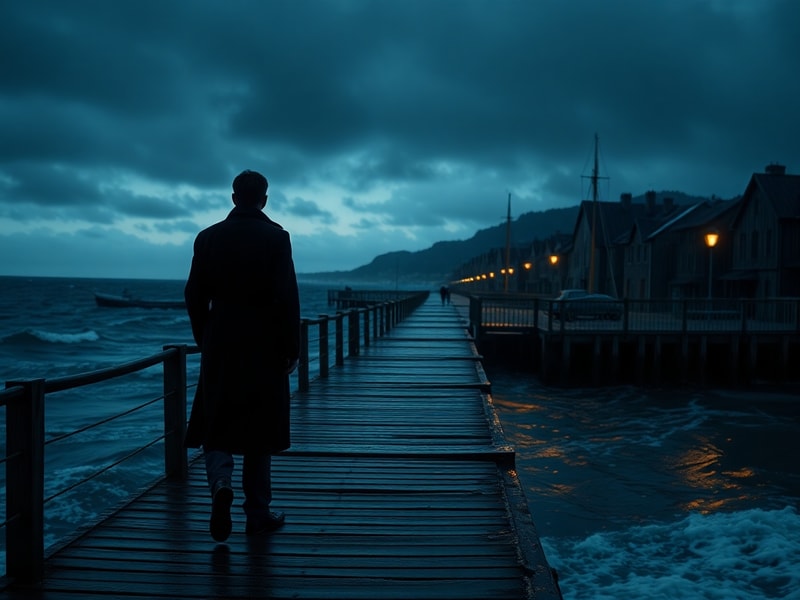
Filming for Widows Bay Season 2 began in early 2024, with the team returning to the same coastal location that gave Season 1 its haunting atmosphere. The decision to shoot on-site rather than on a soundstage was intentional, as the production team wanted to capture the raw, untamed beauty of the landscape—a character in itself.
Showrunner Emma Holloway, known for her work on Dark Waters and The Hollow, has taken the reins for Season 2. Holloway’s approach emphasizes slow-burn tension over jump scares, a style that resonated with audiences last season. In a recent interview, she emphasized the importance of character development, stating, “Horror works best when the audience cares about the people involved. If you don’t feel for them, the supernatural elements lose their power.”
The writers’ room has also brought in cultural consultants to ensure the indigenous folklore is handled with respect and accuracy. This collaboration reflects a broader industry shift toward more responsible storytelling in horror, where cultural appropriation is increasingly called out and avoided.
Broader Implications for Horror Television
Widows Bay isn’t just another entry in the crowded supernatural horror genre—it’s part of a wave of shows that are redefining how horror is approached on screen. Unlike the slash-and-grab tactics of early 2000s horror or the over-the-top CGI spectacles of recent years, Widows Bay relies on atmosphere, subtlety, and strong performances to create fear. This approach aligns with a growing audience demand for horror that prioritizes psychological depth over cheap thrills.
Another notable trend is the rise of female-led horror narratives. Shows like Widows Bay, Them, and Chambers are challenging the long-standing trope of the helpless final girl by centering women who are proactive, resourceful, and unafraid to confront evil head-on. This shift isn’t just about representation—it’s about expanding the thematic possibilities of horror to explore issues like trauma, resilience, and systemic oppression.
For aspiring writers and filmmakers, Widows Bay serves as a case study in how to build a horror story that lingers. The show’s success has proven that audiences are hungry for stories that are as thought-provoking as they are terrifying. As the horror genre continues to evolve, Widows Bay Season 2 could set a new standard for what’s possible in television horror.
Key Takeaways for Fans and Creators
If you’re a fan of Widows Bay, here’s what you can expect—and what creators in the genre should take note of:
- Character-driven horror works: Audiences connect with well-developed characters more than cheap scares. Invest in deep backstories and moral dilemmas.
- Authenticity matters: Whether it’s cultural folklore or small-town dynamics, authenticity builds credibility and immersion.
- Atmosphere is everything: A haunted location should feel like a character itself, not just a backdrop. Use lighting, sound, and setting to create dread.
- Horror can be socially relevant: The best horror reflects real-world issues, whether it’s systemic injustice, trauma, or cultural erasure.
- Female perspectives are reshaping the genre: Women-led horror isn’t just a trend—it’s a long-overdue correction to a male-dominated field.
For those eager to dive deeper into the world of Widows Bay, the Horror section on Dave’s Locker offers a curated selection of reviews, analysis, and discussions about the genre’s latest trends. If you’re interested in the broader cultural impact of horror television, the Entertainment section features articles on how horror is evolving in the streaming era.
The wait for Widows Bay Season 2 may feel endless, but the payoff promises to be worth it. With a stronger emphasis on cultural depth, expanded character arcs, and the same eerie atmosphere that made Season 1 a standout, the next chapter is poised to leave an even bigger mark on the horror landscape. One thing is certain: Widows Bay isn’t just a place—it’s a feeling, and audiences are ready to be haunted all over again.