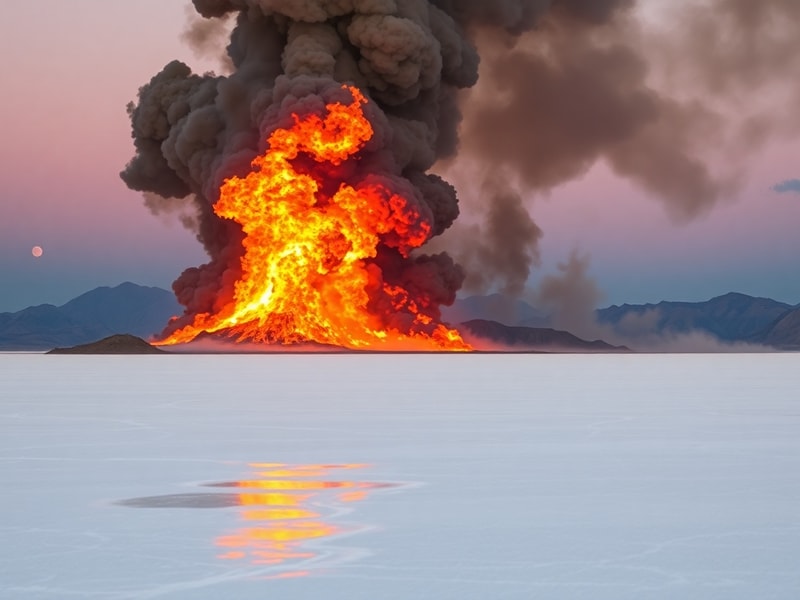
The Bonneville Fire of 2024 left a scar across 12,000 acres of Utah’s high desert, but its impact stretched far beyond the charred sagebrush. Ignited by a lightning strike on the afternoon of July 12, the blaze tested the resilience of rural communities, strained state fire-fighting resources, and raised urgent questions about wildfire preparedness in the Intermountain West. While the flames were contained by July 20, the fire’s legacy includes disrupted wildlife corridors, temporary displacement of dozens of residents, and a renewed debate over land-use policies near the Great Salt Lake’s receding shoreline.
What Sparked the Bonneville Fire
The ignition point—near the Bonneville Salt Flats—was a seemingly remote stretch of public land, known more for speed trials and salt crust photography than for wildfire risk. Yet the combination of record-low winter snowpack, June temperatures 8°F above normal, and persistent drought conditions created a tinderbox. On the day of ignition, relative humidity dropped below 15% and winds gusted to 25 mph, allowing the fire to advance nearly a mile within 90 minutes.
Investigators from the Utah Division of Forestry, Fire & State Lands confirmed the lightning strike via satellite data and on-site char patterns. While natural causes are often downplayed in public discourse, this fire underscores how climate-driven extremes are blurring the line between “natural” ignition and human vulnerability. The same storm system that delivered the lightning also sparked 11 other fires across Tooele and Box Elder counties, straining regional dispatch centers that were already operating with reduced staffing during peak summer demand.
Immediate Response and Community Impact
The emergency response was a multi-agency effort led by the Bureau of Land Management, Utah Fire Interagency, and Tooele County Sheriff’s Office. Over 350 personnel were deployed, including hotshot crews from Arizona and Idaho, along with four air tankers and three helicopters. Evacuation orders affected 47 homes in the unincorporated community of Iosepa, where many residents are descendants of Polynesian Mormon pioneers who settled the area in the 1880s. Though no fatalities were reported, the fire destroyed one historic barn and damaged irrigation infrastructure critical to local alfalfa growers.
Evacuees were housed in a temporary shelter at the Tooele County Events Center, where county officials distributed N95 masks due to smoke inhalation concerns. The shelter’s capacity was tested when shifting winds pushed the fire toward the evacuation zone on July 16, prompting a precautionary expansion of the perimeter. By the time containment was declared, the fire had cost an estimated $8.2 million in suppression expenses alone, not including long-term habitat restoration.
Broader Implications for Wildfire Policy
The Bonneville Fire is emblematic of a larger trend: the increasing frequency of large, fast-moving fires in Utah’s Great Basin region. According to the Utah Geological Survey, the average fire season has grown by 78 days since 1970, driven by warmer springs and earlier snowmelt. This shift is forcing land managers to rethink traditional suppression models that prioritize full containment regardless of cost or ecological trade-offs.
One emerging strategy is “managed fire,” where agencies allow smaller, low-intensity burns to reduce fuel loads during periods of lower risk. However, public acceptance remains a hurdle. After the fire, Tooele County commissioners voted 2–1 to delay a proposed prescribed burn on adjacent BLM land, citing concerns about smoke drift into residential areas. The tension highlights a paradox: residents want wildfire risk reduced but are reluctant to accept the temporary inconvenience of smoke from controlled burns.
Another challenge is funding. Utah’s wildfire suppression budget is supplemented by federal grants, but those funds are unpredictable and often come with bureaucratic strings attached. In the aftermath of the Bonneville Fire, state legislators introduced a bill to create a dedicated wildfire reserve fund, drawing on a portion of the sales tax on off-highway vehicle rentals—a sector that benefits from access to public lands but also contributes to ignition risks.
Lessons and Looking Ahead
For land managers, the Bonneville Fire offers a case study in the limits of traditional wildfire response. The following key points emerged from post-fire assessments and should inform future policy:
- Fuel load reduction: Expanding targeted grazing programs and mechanical thinning in high-risk corridors near communities.
- Community engagement: Proactive outreach to rural homeowners about defensible space standards and home-hardening techniques.
- Interagency coordination: Streamlining communication between state, federal, and local entities to avoid duplication during overlapping incidents.
- Climate adaptation: Integrating seasonal climate forecasts into pre-positioning strategies for fire crews and equipment.
The fire also serves as a reminder that wildfire is not just a summer phenomenon. Utah’s fire season now stretches from April through October, with spring fires often catching residents and agencies off guard. The Bonneville Fire may have been extinguished, but its embers continue to burn in policy debates, community meetings, and budget hearings across the state.