Russia-Ukraine Peace Talks: What’s Next After Istanbul?
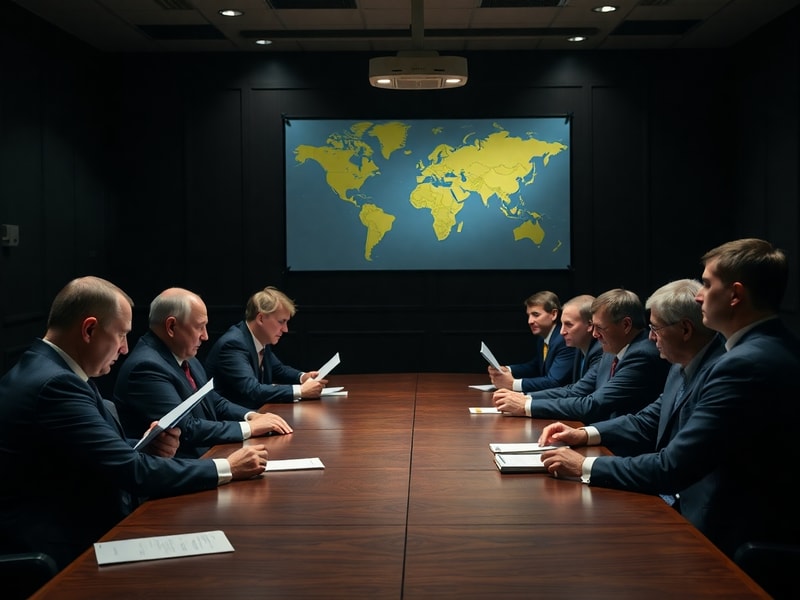
After two years of relentless conflict, the latest round of Russia-Ukraine peace talks concluded in Istanbul on Friday with cautious optimism and no immediate breakthrough. The negotiations, which included representatives from Kyiv, Moscow, and international mediators, focused on grain exports, prisoner swaps, and potential security guarantees. While no formal agreements were signed, both sides described the discussions as “productive” and agreed to continue talks in the coming weeks.
What Was Discussed in Istanbul
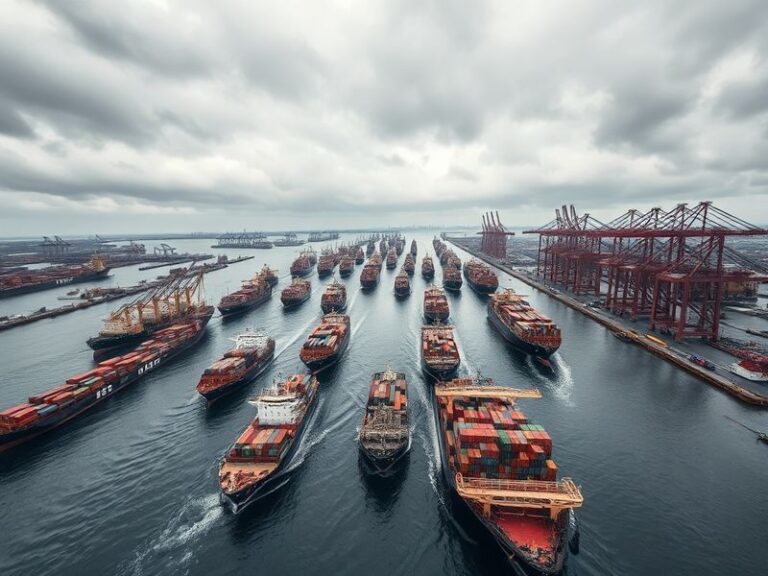
The talks centered on several key issues, including the resumption of Black Sea grain shipments—a lifeline for global food security—and the exchange of prisoners of war. Ukrainian officials confirmed that a partial grain deal could be finalized within days, potentially easing pressure on global food prices. Meanwhile, Russian negotiators pushed for sanctions relief in exchange for de-escalation steps, though Western allies have so far rejected linking sanctions to peace talks.
Another major topic was the proposed deployment of a UN peacekeeping mission along the front lines. Both sides expressed openness to the idea, though skepticism remains about enforceability. A senior Ukrainian diplomat told reporters, “We are not naive. Words must be followed by action.” The talks also briefly touched on the status of annexed territories, though no progress was reported on this highly contentious issue.
Key Takeaways from the Negotiations
- Grain exports: A tentative deal could restore Ukraine’s ability to ship millions of tons of grain from its Black Sea ports, which have been blocked since the invasion.
- Prisoner swaps: Both sides agreed to a “goodwill gesture” involving the release of several dozen POWs, though full-scale exchanges remain stalled.
- Security guarantees: Turkey and other mediators proposed a NATO-style security pact for Ukraine, but Russia dismissed the idea as “unrealistic.”
- Ceasefire framework: No immediate truce was agreed upon, but both sides committed to reducing artillery strikes near civilian areas.
Why These Talks Matter Beyond the Battlefield
The ripple effects of this conflict extend far beyond Eastern Europe. Global food prices, already volatile due to the war, could stabilize if grain shipments resume. The World Food Programme estimates that Ukraine normally supplies 12% of the world’s wheat, and prolonged blockades risk worsening hunger in vulnerable nations like Yemen and Sudan.
On the energy front, the war has accelerated Europe’s shift away from Russian gas, but the transition has come at a steep cost. Natural gas prices in the EU remain nearly three times higher than pre-war levels, straining household budgets and industrial output. Analysts warn that prolonged disruptions could trigger a recession in some member states.
Geopolitically, the talks have exposed deep divisions among Western allies. While the U.S. and EU continue to back Ukraine with military and financial aid, countries like Hungary and Turkey have adopted a more conciliatory tone toward Moscow. This split could weaken the West’s negotiating position if unity fractures.
For Ukraine, the stakes are existential. President Volodymyr Zelensky has framed the war as a struggle for national survival, and any concessions on territory would be politically toxic. Yet without a diplomatic solution, the human and economic toll will only grow. According to the Kyiv School of Economics, Ukraine’s GDP contracted by 30% in 2022 and is projected to shrink another 5% this year.
What Happens Next?
The timeline for further negotiations remains unclear. Turkish President Recep Tayyip Erdoğan, who hosted the talks, suggested that a second round could take place in Geneva within weeks. However, Russian Foreign Minister Sergey Lavrov struck a defiant tone, stating that Moscow would not “bow to pressure” from Western sanctions.
For peace to hold, three critical conditions must be met: a verifiable ceasefire, a mechanism to enforce sanctions relief, and a framework for territorial disputes. None of these appear imminent. As one international observer noted, “The best-case scenario is a frozen conflict—neither peace nor war, but a tense standoff that drags on for years.”
Meanwhile, ordinary Ukrainians continue to endure daily bombardments, displacement, and economic hardship. In the town of Bakhmut, recently the site of some of the war’s fiercest fighting, residents describe life under constant threat. “We just want to wake up to silence,” said one local resident who asked to remain anonymous. “But silence feels like a luxury we can’t afford.”
As the talks resume, the world watches closely. A lasting peace remains elusive, but the alternative—a prolonged war with no end in sight—is equally untenable. The next few weeks will determine whether diplomacy can outpace destruction.