Egypt vs Iran: Ancient Rivals Shaping Modern Middle East Politics
The Rivalry That Shaped Two Ancient Civilizations: Egypt vs. Iran
The history of Egypt and Iran stretches back thousands of years, weaving together empires, conquests, and cultural exchanges that still influence the modern world. These two civilizations, often seen as rivals or collaborators, have shaped the political and cultural landscape of the Middle East and beyond. Their relationship is not just one of ancient kings and battles, but of trade routes, religious movements, and artistic exchanges that defined entire eras.
While modern geopolitics often frames them as competitors, the ancient interaction between Egypt and Persia was far more complex. From the Achaemenid conquest of Egypt in the 6th century BCE to the Ptolemaic dynasty that followed Alexander the Great, these civilizations frequently intersected, blending traditions rather than erasing them. Today, their legacy continues in art, language, and even contemporary international relations, making their historical rivalry one of the most enduring in human history.
A Shared Yet Competitive Past
The earliest recorded encounters between Egypt and Iran date back to the Persian Empire under Cyrus the Great, who conquered Egypt in 525 BCE. This marked the first time a foreign power had ruled over the Nile Valley, but rather than destroying Egyptian culture, the Persians integrated many of its traditions. For nearly two centuries, Egypt remained under Persian control, contributing to the empire’s wealth and administrative systems.
This period was not without tension. Egyptian revolts against Persian rule were common, most notably during the reign of Xerxes I. The Egyptians, fiercely independent, resented foreign domination, a sentiment that would resurface in later centuries under Greek and Roman rule. Yet despite these conflicts, cultural exchange flourished. Persian art and architecture began to incorporate Egyptian motifs, while Egyptian priests and scribes adopted elements of Zoroastrianism, the dominant religion of Iran at the time.
The relationship between Egypt and Iran took another dramatic turn with the rise of Alexander the Great, whose conquests briefly united the two regions under Hellenistic rule. After his death, the Ptolemaic dynasty established its capital in Alexandria, blending Greek and Egyptian cultures in what became one of the ancient world’s most cosmopolitan cities. Meanwhile, in Persia, the Parthian and later Sassanian empires continued to exert influence over Egypt, particularly during periods of regional conflict with Rome.
Cultural Crossroads: Art, Religion, and Language
The interaction between Egypt and Iran was not just political—it was deeply cultural. One of the most visible exchanges was in art and architecture. Persian reliefs, such as those at Persepolis, show influences from Egyptian hieroglyphs and motifs. The use of columns, obelisks, and even the concept of monumental architecture traveled between the two civilizations, creating a hybrid style that defined the Achaemenid period.
Religion played a crucial role in their relationship as well. While Egypt was traditionally polytheistic, with gods like Amun and Isis, Iran’s Zoroastrianism introduced new concepts of dualism and ethical monotheism. Some Egyptian religious texts from the Ptolemaic era even reflect Zoroastrian influences, particularly in ideas about the afterlife and cosmic order. This blending of beliefs laid groundwork for later syncretic movements, including Gnosticism and early Christianity.
Language also became a bridge. Aramaic, the administrative language of the Persian Empire, spread across Egypt and the wider Near East. It became the lingua franca of the region, used in trade, diplomacy, and even religious texts. Meanwhile, Egyptian hieratic and demotic scripts continued to be used in local contexts, preserving a distinct cultural identity despite foreign rule.
Today, remnants of this shared history can still be seen. The Cultural artifacts from both civilizations—whether the ruins of Persepolis or the temples of Luxor—tell a story of exchange as much as conquest. Museums around the world display objects that reflect this fusion, from Persian-style jewelry found in Egyptian tombs to Egyptian-style reliefs carved in Iran.
Modern Rivalry: Geopolitics and Regional Influence
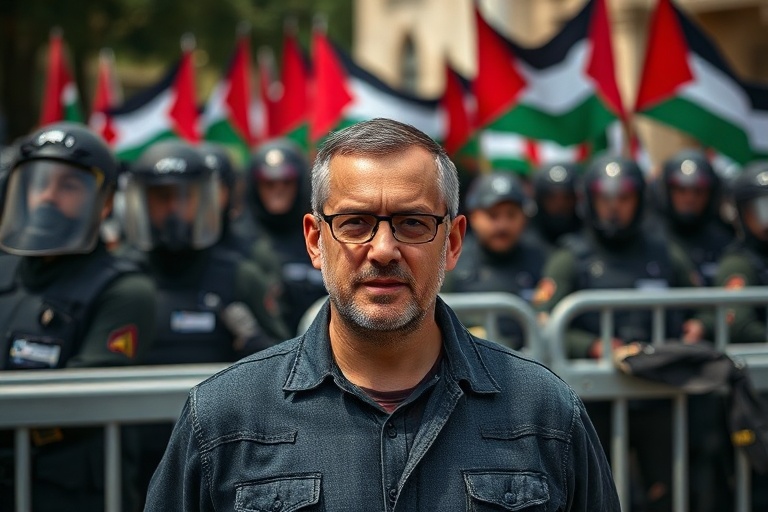
The ancient past may have seen periods of cooperation, but the modern relationship between Egypt and Iran is dominated by rivalry. Since the 1979 Islamic Revolution, Iran has positioned itself as a leader of the Islamic world, often clashing with Egypt’s secular and historically moderate stance. The two nations have backed opposing sides in conflicts across the Middle East, from Syria to Yemen, with Egypt supporting Gulf states and Iran aligning with groups like Hezbollah.
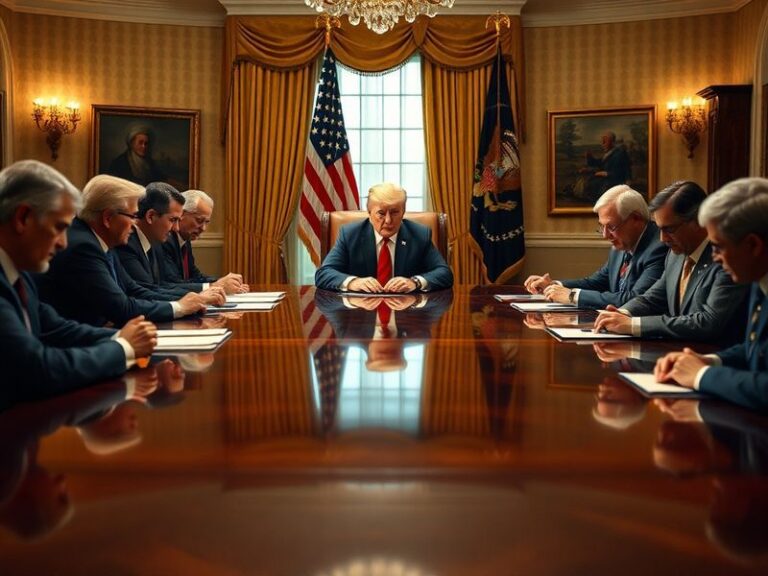
Diplomatic relations between Cairo and Tehran have been strained for decades. Egypt severed ties with Iran in 1980 after the revolution, only restoring limited contact in the 2000s before tensions flared again. The rivalry is not just political—it is ideological. Iran promotes a revolutionary Islamic model, while Egypt upholds a more pragmatic, state-centric approach. This divide has made cooperation difficult, particularly on issues like regional security and economic integration.
Egypt, as the most populous Arab country, sees itself as a natural leader in the Middle East. Iran, with its strong military and regional proxies, challenges that role. The two nations have found themselves on opposite sides in conflicts such as the Syrian Civil War, where Egypt backed the Assad regime while Iran supported it with troops and funding. Similarly, in the Israeli-Palestinian conflict, Egypt has played a mediating role, while Iran funds groups like Hamas, creating a direct confrontation of interests.
Economic competition also plays a role. Both countries vie for influence in Africa and the Red Sea region, where ports and trade routes are strategically vital. Egypt’s control of the Suez Canal makes it a key player in global shipping, while Iran seeks to expand its influence through alliances in the Horn of Africa and the Bab el-Mandeb Strait. These economic rivalries often spill into political tensions, with each nation accusing the other of meddling in its internal affairs.
Looking Ahead: Can Cooperation Overcome Rivalry?
The future of Egypt-Iran relations remains uncertain. While the two nations have historical ties that could foster cooperation, their modern rivalry seems entrenched. However, there are areas where dialogue could resume. Cultural exchanges, particularly in archaeology and heritage preservation, offer a potential starting point. Joint restoration projects, such as those at ancient sites like Luxor or Persepolis, could rebuild trust while highlighting shared history.
Economic cooperation is another possibility. Both countries face challenges like water scarcity and unemployment, which could benefit from collaborative solutions. Trade between Egypt and Iran has fluctuated over the years, but there is potential for growth in sectors like energy, agriculture, and textiles. Regional stability, particularly in the Red Sea and the Gulf, could also push the two nations toward dialogue.
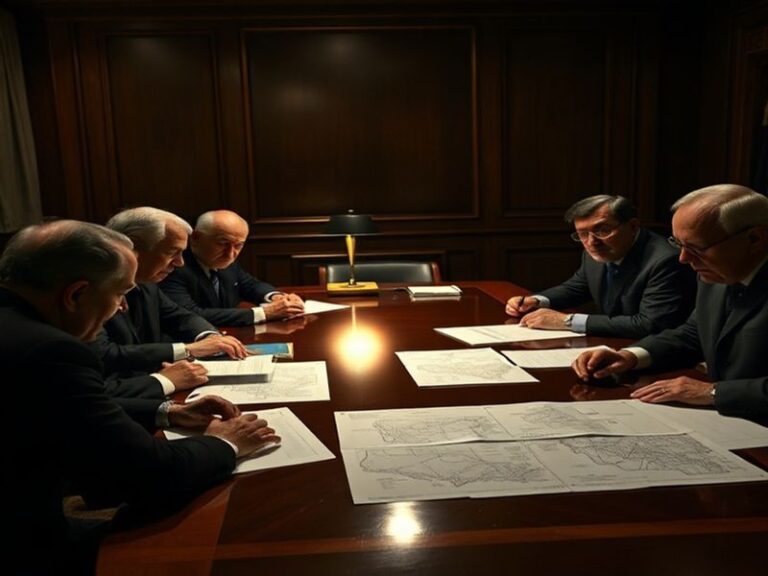
Yet the path forward is fraught with obstacles. Iran’s nuclear program, Egypt’s relations with Israel, and the broader Sunni-Shia divide in the Middle East create a complex web of tensions. Any rapprochement would require significant concessions and a willingness to set aside decades of hostility. Whether either nation is prepared to take that step remains an open question.
The legacy of Egypt and Iran is one of resilience and adaptation. Despite centuries of conflict, they have maintained distinct identities while influencing each other in profound ways. Whether as rivals or potential partners, their relationship will continue to shape the Middle East for generations to come. The challenge now is to find a way forward that honors their shared past while building a more stable future.