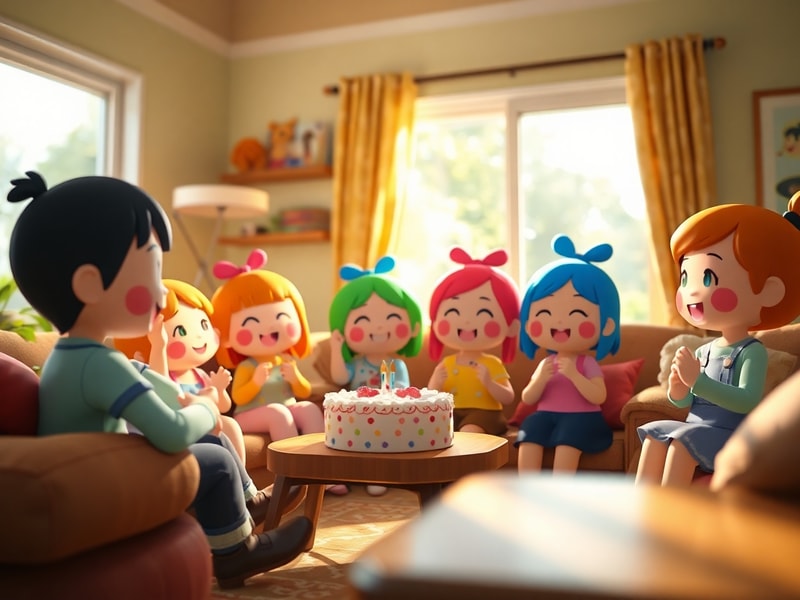
Tomodachi Life Update Adds Global Flair to Nintendo’s Beloved Life Sim
Tomodachi Life’s Latest Update: What Global Players Can Expect
Nintendo’s Tomodachi Life has long been a quirky, relationship-driven life simulator that lets players create and manage their own virtual islands filled with Mii characters. The game’s charm lies in its absurd humor and unpredictable social dynamics, where friendships flourish, rivalries simmer, and even marriages bloom. With the latest update rolling out globally, players are discovering fresh features, quality-of-life improvements, and unexpected twists that breathe new life into this decade-old title.
The update, which arrived quietly in mid-2024, introduces a handful of changes that longtime fans have eagerly awaited. While not a complete overhaul, these additions address some of the game’s most persistent criticisms—namely, its limited content and repetitive gameplay loops. For a game that thrives on spontaneity, even small tweaks can feel like major milestones. Here’s what players worldwide are talking about.
A New Lease on Life: Expanded Customization and Events
The most noticeable change is the expanded customization options for Mii characters. Previously, players were limited to basic hairstyles, outfits, and accessories. The update introduces over 50 new items, including cultural attire from around the world. A player in Tokyo can now dress their Mii in a traditional kimono, while someone in Rio de Janeiro might outfit theirs in Carnival-inspired feathers. This shift reflects a growing demand for cultural representation in games, a trend Nintendo has increasingly embraced in its modern titles.
Alongside visual updates, the game now features seasonal events that sync with real-world calendars. For instance, during Japan’s Obon festival, players might see their Mii characters attending local celebrations, complete with fireworks and traditional dances. In the West, Halloween brings pumpkin carving and costume contests. These events aren’t just cosmetic—they influence gameplay by introducing temporary bonuses, like increased friendship points or rare item drops. It’s a subtle way to make the game feel more connected to the outside world.
For players who’ve struggled with the game’s slow pacing, the update also includes an optional “fast-forward” mode. This feature lets users speed up time during mundane tasks like commuting or sleeping, allowing them to focus on the more engaging aspects of island life. It’s a small but significant addition for those who want to dive deeper into the game’s social mechanics without grinding through hours of idle gameplay.
Relationships Get a Reality Check: New Social Mechanics
One of Tomodachi Life’s defining traits is its chaotic approach to relationships. Whether it’s a sudden romance between two unlikely characters or a feud that spirals out of control, the game thrives on unpredictability. The update doubles down on this philosophy by introducing new relationship mechanics that feel more nuanced than ever before.
For example, characters can now develop “unrequited love,” where one Mii pines for another who doesn’t reciprocate their feelings. This can lead to dramatic scenarios, like one character moping in a café while the other goes on dates with someone else. It’s a far cry from the game’s usual lighthearted tone, but it adds a layer of emotional depth that long-time players will appreciate.
The update also introduces “friendship groups,” where characters can form tight-knit cliques that influence their interactions. If three Mii characters become close friends, they might start hanging out together more often, forming inside jokes or even starting a band. This mechanic encourages players to think strategically about their social networks, rewarding those who invest time in building relationships rather than letting them stagnate.
These changes reflect a broader shift in gaming toward more dynamic social simulations. Titles like The Sims and Stardew Valley have long emphasized deep interpersonal mechanics, and Tomodachi Life is finally catching up. While it’s still a far cry from the complexity of those games, the update proves that even niche life sims can evolve with their audience’s expectations.
Quality-of-Life Improvements: A More Polished Experience
No update would be complete without addressing some of the game’s long-standing frustrations. The latest patch includes several quality-of-life improvements that make the game feel more polished and less like a beta test.
One of the most requested features was the ability to delete multiple items at once. Previously, players had to manually remove each piece of furniture or clothing from their inventory, a tedious process that could take minutes. Now, they can select multiple items and delete them in bulk, saving valuable time. The update also includes a search function for the inventory, making it easier to find specific items without scrolling through endless lists.
Another welcome addition is the “autosave” feature, which periodically saves the player’s progress without requiring manual input. This is a godsend for those who’ve lost hours of gameplay due to unexpected shutdowns or glitches. The game also includes a more robust error-reporting system, allowing players to submit feedback directly to Nintendo if they encounter bugs.
For those who’ve struggled with the game’s steep learning curve, the update introduces an in-game tutorial that breaks down the basics of island management. While it’s no substitute for a full guide, it’s a helpful starting point for newcomers who might otherwise be overwhelmed by the game’s complexity.
The Global Impact: Why This Update Matters Beyond the Game
Tomodachi Life has always had a unique appeal, blending Nintendo’s signature charm with a surprisingly deep social simulation. But its influence extends beyond the screen, particularly in how it reflects and shapes cultural attitudes toward friendship, relationships, and community.
In Japan, where the game originated, Tomodachi Life is often seen as a lighthearted escape from the pressures of modern life. The game’s emphasis on nurturing relationships resonates in a society where social bonds can sometimes feel transactional. Meanwhile, in the West, the game has been embraced as a tool for teaching young players about empathy and emotional intelligence. Its absurd humor and exaggerated scenarios make it an accessible way to explore complex social dynamics without real-world consequences.
The update’s focus on cultural representation also reflects a growing demand for diversity in gaming. As players around the world create Mii characters that reflect their own identities, the game becomes a canvas for self-expression. This is particularly important in regions where mainstream media often lacks representation, such as the Middle East or Southeast Asia. By offering attire and events that resonate with local cultures, Tomodachi Life becomes more than just a game—it’s a celebration of global diversity.
There’s also a practical side to the update’s global reach. Nintendo has long struggled with localization, often releasing games in Japan months before they hit Western markets. The fact that this update rolled out simultaneously worldwide is a sign of the company’s growing confidence in its global audience. It’s a small but meaningful step toward bridging the gap between different gaming cultures.
Is It Worth the Update?
For longtime fans, the answer is a resounding yes. The new features, while not groundbreaking, add enough depth and polish to justify downloading the update. The expanded customization options and seasonal events breathe fresh life into the game, while the quality-of-life improvements make it more accessible to newcomers. Even the minor tweaks to relationship mechanics feel like meaningful additions, rewarding players who’ve invested time in their islands.
For players who’ve drifted away from Tomodachi Life, this update might be enough to bring them back. The game’s charm is hard to resist, especially when it feels as polished and dynamic as it does now. Whether you’re a veteran or a newcomer, there’s never been a better time to dive into the chaotic, heartwarming world of Tomodachi Life.
If you’re looking for more games that blend social simulation with creativity, check out our Gaming category for recommendations. And for players interested in the latest trends in life sims, our Technology section often covers how games like this are evolving with modern expectations.
The world of Tomodachi Life is changing, but its core appeal remains the same: a place where friendships are forged, rivalries are born, and every day is a new adventure. With this update, Nintendo has proven that even a decade-old game can still surprise and delight.