FIFA World Cup 2026 Bracket Predictor: How It Works & Why Fans Love It
How the FIFA World Cup 2026 Bracket Predictor Works
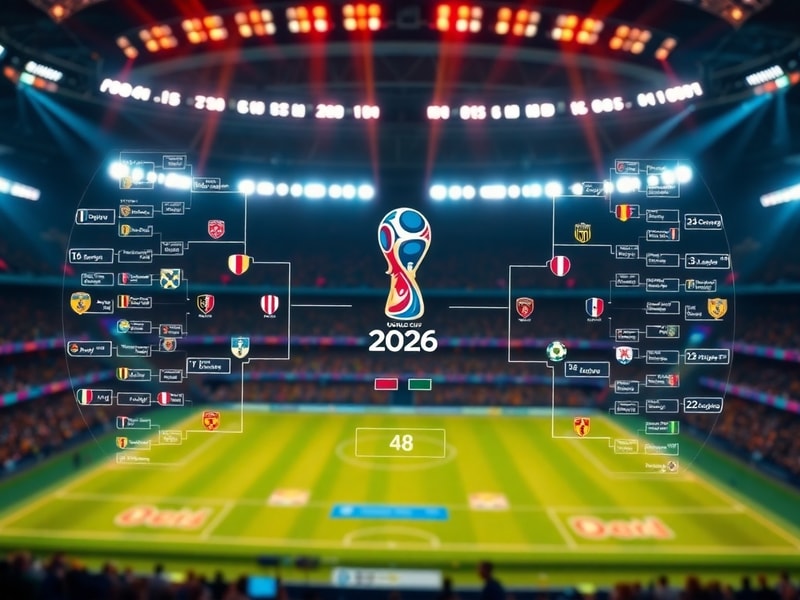
The FIFA World Cup 2026 bracket predictor is more than just a fun tool—it’s a sophisticated algorithm designed to simulate realistic tournament outcomes. Unlike simple randomizers, these predictors analyze team strength, historical performance, and even current form to generate plausible bracket scenarios. The 2026 edition introduces 48 teams instead of the traditional 32, which means the bracket structure has expanded significantly. This change alone affects how predictors calculate probabilities, as more upsets become statistically likely in the early rounds.
Most bracket predictors rely on a combination of FIFA rankings, recent match results, and expert projections. Some even incorporate advanced metrics like expected goals (xG) and possession data. The 2026 predictor must also account for new qualification pathways, as six additional spots are now available for confederations like CONCACAF and CAF. This shift means traditional powerhouses face stiffer competition early in the tournament, altering the balance of power in simulations.
Why Fans Are Obsessed with Tournament Simulators
Fans don’t just use bracket predictors for entertainment—they rely on them to test theories about team matchups. A simulator might reveal that a traditionally strong side like Brazil could struggle against an underdog from Asia or Africa in the Round of 16. These tools also spark debates about tactical advantages, such as how a high-pressing team like Belgium might fare against a possession-based side like Spain in a knockout clash.
Social media amplifies this engagement. When a simulator predicts an unexpected final between Argentina and France, fans flood forums with reactions, memes, and counter-simulations. The interactive nature of these tools makes them a staple during major tournaments. Sites like Dave’s Locker Sports see spikes in traffic whenever a new predictor goes live, proving that fans crave data-driven insights alongside casual fun.
The psychological appeal is undeniable. Bracket predictors tap into the same thrill as office pools or fantasy leagues—ownership over a simulated outcome. For casual viewers, they provide a low-stakes way to stay invested in the tournament before their favorite team even kicks off. For die-hard fans, they offer a chance to refine pre-tournament narratives, whether it’s defending a club’s chances or rallying behind an underdog.
Key Factors That Influence Bracket Predictions
Several variables shape the accuracy of a FIFA World Cup 2026 bracket predictor. The first is team form leading into the tournament. Predictors often weigh recent performances more heavily than historical rankings, especially if a squad has undergone a managerial change or roster overhaul. Injuries to key players, like a star striker or goalkeeper, can also swing simulations dramatically.
Another critical factor is the draw itself. The 2026 edition uses a complex seeding system to balance confederations, but the luck of the draw still matters. A “Group of Death” scenario—where three top-tier teams are drawn together—can derail even the most meticulous predictions. Predictors simulate thousands of draws to account for these variables, though real-world randomness often defies even the best models.
The tournament format itself introduces new variables. With 16 groups of three teams, the possibility of two teams advancing from a group via tiebreakers (rather than goal difference alone) adds layers of unpredictability. Predictors must adjust for scenarios where a team might advance despite a loss, depending on other results. This complexity makes the 2026 bracket far more dynamic than previous editions.
Finally, external factors like travel fatigue, altitude, and weather conditions play a role. A simulator for Qatar 2022 had to account for extreme heat, but 2026’s games will span three countries (Canada, Mexico, and the U.S.), each with distinct climates. Predictors that factor in these logistical challenges tend to produce more realistic outcomes.
How to Use a Bracket Predictor Like a Pro
Not all bracket predictors are created equal. The most reliable tools offer customization options, allowing users to adjust variables like player availability or tactical setups. For example, a user might simulate Argentina’s chances with or without Lionel Messi available, or test how a back-three formation could impact France’s defensive solidity. These features turn a guessing game into a tactical exercise.
Start by familiarizing yourself with the predictor’s methodology. Some tools use machine learning trained on past World Cup data, while others rely on expert consensus. If a predictor weights recent friendlies heavily, it might overrate a team like the U.S. or Japan, which often peak in friendlies rather than major tournaments. Cross-referencing multiple predictors can help identify biases and refine your own strategy.
Use the predictor to identify dark horses rather than just the obvious finalists. A tool that highlights Morocco or Saudi Arabia as quarterfinalists could lead you to research their squads more closely. Similarly, look for patterns in the simulator’s output—does it consistently favor teams with strong midfields, or does it underrate defensive structures? These insights can inform your viewing experience and even your fantasy league picks.
Finally, treat the predictor as a conversation starter, not a gospel. The beauty of these tools lies in their ability to provoke discussion. Share your simulator’s output in fan groups or on Dave’s Locker Sports, and debate the merits of each scenario. The best predictions aren’t about picking winners—they’re about exploring the “what ifs” that make football unpredictable.
What the Experts Say About 2026’s Predictability
Sports analysts are divided on whether the expanded 2026 format will make bracket predictors more or less reliable. Some argue that more teams dilute the quality gap, leading to greater parity and more upsets. Others believe the inclusion of traditional powerhouses like Brazil, Germany, and Italy ensures that elite sides will still dominate the simulations. The truth likely lies somewhere in between.
One consistent trend is the rise of “statistical” predictors over pure opinion-based models. Tools like Opta and FiveThirtyEight use advanced analytics to simulate matches, often outperforming human experts in forecasting accuracy. However, football’s reliance on individual brilliance—think a last-minute Messi or Ronaldo moment—means even the best models can’t eliminate all uncertainty. The 2026 edition will test whether data science can keep pace with football’s inherent chaos.
Media outlets have already begun hyping potential narratives for 2026. Will Kylian Mbappé finally secure his first World Cup? Can a new generation of African or Asian stars break through? Predictors will play a role in shaping these storylines, but they’ll also have to adapt as the tournament approaches. Injuries, suspensions, and late managerial changes could turn a “safe” prediction into a laughingstock overnight.
The consensus among pundits is that the 2026 bracket predictor is less about accuracy and more about engagement. In an era of deepfake highlights and AI-generated content, these tools offer a human touch—a way for fans to interact with the tournament on their own terms. Whether they’re used for bragging rights, tactical analysis, or sheer entertainment, bracket predictors have cemented their place in the World Cup experience.