How Alphonso Davies Turned Refugee Roots into Global Football Glory
From Refugee Camp to World Stage: Alphonso Davies’ Unmatched Journey
Few athletes embody the spirit of perseverance and triumph quite like Alphonso Davies. Born in a Ghanaian refugee camp in 2000, his path to becoming one of the most electrifying left-backs in global football is a testament to resilience and opportunity. Davies’ story transcends sports, illustrating how talent, timing, and tenacity can transform lives against all odds. His rise from a childhood spent in displacement to lifting trophies with Bayern Munich and starring for the Canadian men’s national team has inspired millions, proving that greatness isn’t confined by circumstance.
Davies’ journey began in Buduburam, a refugee camp in Ghana where his Liberian parents had fled civil war. At age five, his family resettled in Edmonton, Alberta, through Canada’s refugee sponsorship program. It was there, playing soccer on makeshift pitches, that his prodigious talent began to emerge. By 14, he was training with the Vancouver Whitecaps Academy, and by 15, he made his professional debut—making him the youngest player in Major League Soccer history at the time. His pace, technical skill, and composure under pressure quickly caught the attention of Europe’s elite clubs.
In 2018, Bayern Munich secured his services for a reported fee of €13.5 million, a move that would redefine his career. Within months, Davies became the first Canadian men’s player to score in the UEFA Champions League. His performances in the Bavarian club’s treble-winning 2019-20 season—where he contributed goals and assists in a defense anchored by world champions—cemented his status as a global star. For a young athlete who once chased a ball in a refugee camp, the journey to lifting the Champions League trophy was nothing short of extraordinary.
The Impact of Davies’ Success on Canadian Football
Davies’ achievements have had a ripple effect across Canadian soccer. Before his arrival, the men’s national team struggled to gain consistent international relevance. His debut in 2017 at just 16 years old marked a turning point. By 2019, he helped Canada qualify for the CONCACAF Gold Cup semifinals, and in 2022, he captained the team during their historic World Cup qualification campaign—Canada’s first appearance in the tournament since 1986. His influence extends beyond statistics; he has galvanized a generation of young players who see him as a blueprint for success.
His impact is visible in youth programs across Canada. Participation in soccer has surged, particularly among immigrant and refugee communities, who see in Davies a reflection of their own potential. Soccer academies now report increased enrollment from diverse backgrounds, and clubs in smaller cities are investing in infrastructure to nurture local talent. Davies’ success has also elevated the profile of the Canadian Premier League, which launched in 2019 and has since attracted international players and coaches, further professionalizing the sport in the country.
Moreover, Davies’ commercial appeal has been a game-changer for Canadian soccer’s visibility. Sponsorship deals with major brands like Nike and EA Sports have brought unprecedented attention to the sport domestically. His jersey sales consistently rank among the top globally, surpassing many European stars. This financial boost has trickled down to grassroots initiatives, funding programs that provide equipment and coaching to underprivileged youth.
Style of Play: What Makes Davies a Modern Football Phenomenon
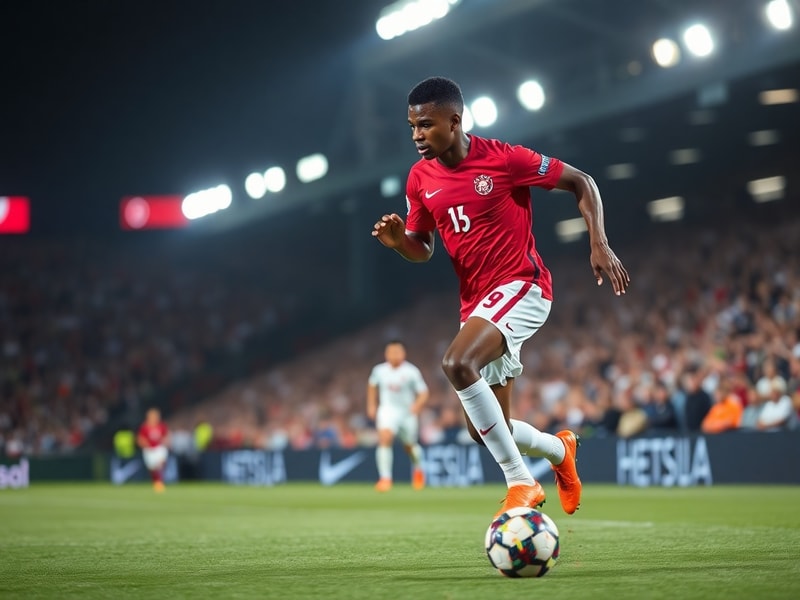
Davies is often described as a complete full-back, a rarity in modern football where the demands on players are higher than ever. His defining traits—blistering speed, technical precision, and tactical intelligence—set him apart. Unlike traditional defensive full-backs, Davies operates as a hybrid: he provides width in attack while maintaining defensive solidity. His ability to read the game allows him to intercept passes and recover possession, reducing the need for last-ditch tackles.
One of his most impressive attributes is his versatility. While primarily deployed as a left-back, he has also played as a left wing-back and even a winger in Bayern’s high-pressing system. His dribbling skills and crossing ability make him a constant threat in the final third. In the 2020 Champions League, his partnership with Joshua Kimmich on the left flank was pivotal in Bayern’s dominance, combining to create overloads that overwhelmed opponents.
Davies also stands out for his composure on the ball. Despite his young age when he first broke into professional football, he rarely panics under pressure. His decision-making—whether choosing to dribble, pass, or shoot—reflects a maturity beyond his years. This mental resilience is a byproduct of his upbringing, where adaptability was a necessity for survival.
Beyond his technical skills, Davies’ work ethic is unparalleled. His training discipline is legendary among teammates and coaches. In a sport where physical conditioning is critical, Davies’ dedication ensures he remains at peak performance, reducing injury risks and extending his career longevity. His professionalism has made him a role model for aspiring athletes, emphasizing that talent must be matched with discipline and humility.
Beyond the Pitch: Davies’ Role as a Social and Cultural Icon
Davies’ influence extends far beyond football. As one of the most visible Black athletes in global sports, he has used his platform to advocate for social justice and refugee rights. In 2020, he partnered with the United Nations High Commissioner for Refugees (UNHCR) as a Goodwill Ambassador, drawing attention to the plight of displaced people worldwide. His personal story resonates deeply with refugee communities, offering hope and representation on a global stage.
He has also been vocal about racial equity in football. After incidents of racism in European leagues, Davies has called for stricter punishments and greater accountability. His stance has sparked conversations within football federations and clubs about systemic biases and the need for inclusive policies. In Canada, he has supported initiatives aimed at combating racism in sports, collaborating with organizations like Black Lives Matter Canada to promote diversity and inclusion.
Commercially, Davies has become a cultural icon. His endorsement deals with brands like McDonald’s and EA Sports reflect his broad appeal. He is particularly popular among younger fans, who see him as a relatable figure. His social media presence is carefully curated, blending football highlights with messages of inspiration and positivity. This approach has helped him build a loyal following that transcends sports fandom.
Davies’ personal life also reflects his grounded nature. Despite his fame, he remains close to his family, often crediting them for his success. His humility and gratitude in interviews have endeared him to fans worldwide, reinforcing the idea that his journey is not just about athletic achievement but also about character and integrity.
Legacy and the Future: What’s Next for Alphonso Davies?
At 24 years old, Davies is still in the prime of his career. His contract with Bayern Munich runs until 2026, and there is speculation about a potential move to a top Premier League club in the near future. However, his future with the Canadian national team is equally significant. With Canada co-hosting the 2026 FIFA World Cup, Davies will be a central figure in his home nation’s quest for glory. Leading a young, talented squad, he has the opportunity to inspire a generation and leave a lasting legacy in Canadian football history.
His long-term impact will likely be measured not just by trophies or accolades, but by the doors he has opened. For refugees and immigrants, he represents the power of opportunity. For young athletes, he is proof that hard work and belief can overcome any obstacle. For football fans, he is a reminder of the beauty of the game—where talent and heart can create magic on the pitch.
Looking ahead, Davies has hinted at exploring opportunities beyond football, including potential ventures in media or philanthropy. His entrepreneurial spirit and desire to give back suggest that his influence will extend well into retirement. Whether through his foundation or business endeavors, Davies is poised to become a prominent voice in global sports and social causes.
As he continues to evolve, one thing is certain: Alphonso Davies is more than a footballer. He is a symbol of hope, a champion of resilience, and a testament to the transformative power of sport.
- Key Takeaways from Alphonso Davies’ Career:
- First Canadian men’s player to score in the UEFA Champions League.
- Instrumental in Canada’s first World Cup qualification in 36 years.
- Won the treble with Bayern Munich in the 2019-20 season, including the Champions League.
- UNHCR Goodwill Ambassador, advocating for refugee rights.
- First MLS player to win the FIFA Puskás Award for best goal of the year (2020).
- Known for his speed, technical skill, and versatility as a left-back or wing-back.
- Has significantly boosted the profile of Canadian soccer domestically and internationally.
Davies’ story is a reminder that greatness is not predetermined. It is forged through perseverance, opportunity, and an unwavering belief in one’s abilities. As he continues to write his legacy, the world watches not just to see what he achieves next, but to be inspired by the journey he continues to undertake.