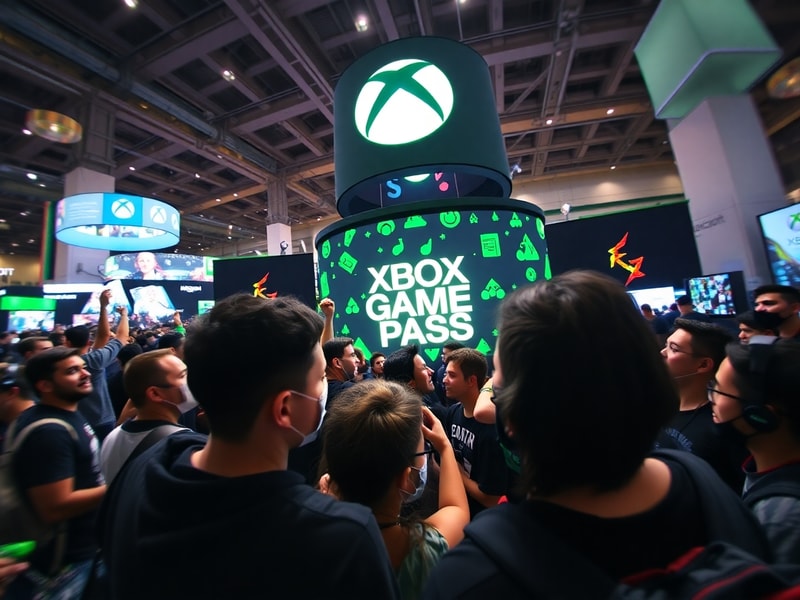
Microsoft’s Game Pass has quietly reshaped how players interact with games, turning a once-niche subscription model into a cornerstone of modern gaming. Since its 2017 launch, the service has expanded from a simple Netflix-style library into a full-fledged platform that influences game development, consumer spending, and even the strategies of industry giants. For players, it offers instant access to hundreds of titles across Xbox and PC, while for developers and publishers, it represents both opportunity and disruption.
How Game Pass evolved from a bold experiment to industry standard
Game Pass began as an ambitious experiment. Microsoft positioned it not just as a subscription service but as a strategic move to shift the Xbox ecosystem from hardware sales to recurring revenue. Early adopters were rewarded with deep discounts and day-one access to first-party titles like Halo and Forza Horizon, a tactic that built loyalty and attracted casual players wary of dropping $60 on untested games.
The real turning point came in 2020 with the introduction of the PC Game Pass and the Xbox Game Pass Ultimate bundle, which merged Game Pass with Xbox Live Gold. This consolidation simplified pricing and expanded the service’s footprint dramatically. By 2023, Game Pass had over 34 million subscribers, a figure that underscored its rapid adoption. Unlike traditional game ownership, which often leads to shelfware, Game Pass encouraged players to sample widely, knowing they could return to favorites later.
This evolution wasn’t just about convenience. It reflected a broader industry shift toward accessibility and flexibility. Consumers, especially younger players, increasingly prioritize experiences over ownership. Game Pass capitalized on that mindset, offering a low-risk way to explore genres, indie darlings, and blockbuster franchises alike.
The impact on developers, publishers, and the games they make
For developers, Game Pass is a double-edged sword. On one hand, inclusion in the service can catapult smaller studios into the spotlight overnight. Titles like Sea of Thieves and Grounded gained massive followings thanks to Game Pass exposure, proving that visibility doesn’t always correlate with marketing budgets. For indie devs, the service acts as a discovery engine, leveling the playing field against AAA studios with deep pockets.
On the other hand, the pressure to meet subscription expectations can be intense. Games optimized for Game Pass often emphasize replayability, shorter play sessions, or live-service elements to justify recurring value. This has led some critics to argue that Game Pass subtly reshapes design priorities, nudging developers toward formats that align with subscription pacing rather than traditional single-player experiences.
Publishers outside Microsoft’s ecosystem have had to adapt. Some, like EA and Ubisoft, have joined Game Pass to tap into its user base, while others remain cautious, fearing erosion of traditional sales models. The rise of Game Pass has also intensified competition among subscription services, pushing platforms like PlayStation Plus to expand their own libraries and perks.
The financial implications are clear: Game Pass subscribers tend to spend less on individual game purchases but more overall on the service and associated add-ons. This shift challenges long-held assumptions about how value is created and captured in gaming.
What’s next for Game Pass—and the industry it’s redefining
Microsoft’s $68.7 billion acquisition of Activision Blizzard in 2023 was a watershed moment for Game Pass. With franchises like Call of Duty, Diablo, and Overwatch now under its umbrella, Game Pass stands to become the largest single gaming library in the world. Industry analysts predict that this consolidation could accelerate the decline of standalone game sales, as players flock to all-you-can-play models.
Yet challenges remain. Antitrust scrutiny, particularly in the EU and UK, could force Microsoft to unbundle Game Pass from hardware or adjust its business practices. Meanwhile, competitors like Sony and Nintendo are not standing still. Sony’s revamped PlayStation Plus service now includes a robust lineup of classic and new titles, while Nintendo’s Switch Online expansion adds more value to its ecosystem. The stage is set for an intense battle over the future of game distribution.
Looking ahead, Game Pass may evolve into an even broader platform. Speculation abounds about cloud-based game streaming becoming the default delivery method, with Game Pass serving as the hub for all digital content—games, DLC, merchandise, and even community features. Microsoft’s push into cloud gaming with xCloud further suggests that Game Pass could one day transcend traditional gaming boundaries, integrating with other Microsoft services and even third-party platforms.
For players, the implications are profound. The days of owning a physical copy or even a digital license may become optional. Instead, access could dominate, with players renting access to entire libraries rather than individual titles. This shift would democratize gaming further but also raise concerns about digital ownership, data privacy, and long-term accountability for service stability.
Key takeaways for players and developers
Whether you’re a gamer weighing the value of a subscription or a developer considering Game Pass as a launch platform, here are the essential points to keep in mind:
- For players:
- Game Pass is ideal for players who want variety and discovery without long-term commitments.
- Cloud streaming expands access, especially on lower-end devices or mobile.
- Exclusive titles and day-one releases make Ultimate tiers highly competitive.
- Be mindful of internet requirements and data caps, especially when streaming.
- For developers:
- Game Pass offers unparalleled visibility but demands games optimized for replay and engagement.
- Consider how your game fits into a subscription ecosystem—shorter campaigns or live-service updates can boost retention.
- Joining Game Pass late in development may require rethinking monetization strategies.
- Track player behavior closely to understand how discovery and retention work on the platform.
Game Pass is more than a service; it’s a bet on the future of gaming itself. By prioritizing access over ownership, Microsoft has forced the industry to confront tough questions about value, fairness, and sustainability. Players now enjoy unprecedented choice, while developers and publishers navigate a rapidly shifting landscape. As cloud gaming matures and competition intensifies, Game Pass will likely remain at the center of the conversation—shaping not just how we play, but how the entire ecosystem operates.
For those still on the fence, the best advice may be simple: try it. The breadth of content and flexibility it offers makes it one of the most compelling propositions in gaming today. But as with any subscription, it’s worth evaluating whether the model aligns with your habits, values, and long-term expectations.