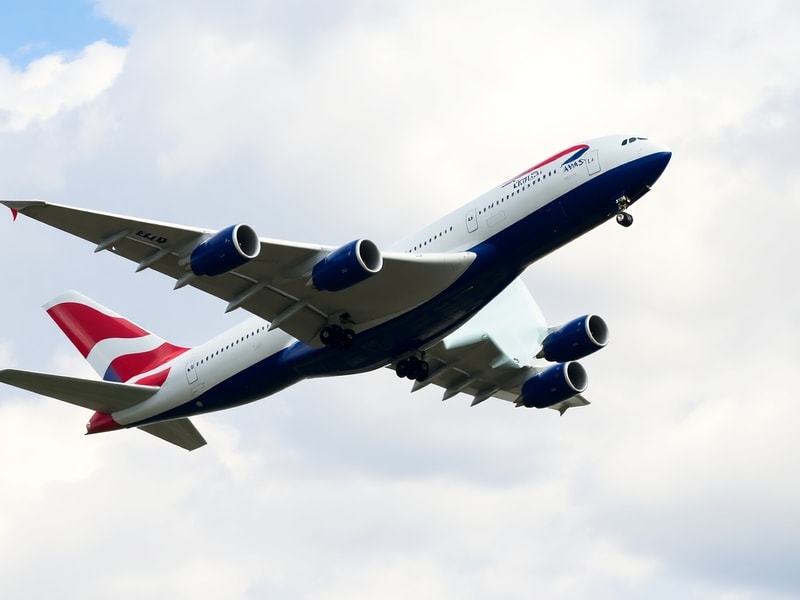
British Airways’ A380: The Rise and Fall of the Superjumbo
The Queen of the Skies: British Airways’ A380 Legacy
British Airways’ Airbus A380 fleet once represented the pinnacle of long-haul luxury and engineering ambition. When the first of 12 aircraft arrived in 2009, it wasn’t just another plane—it was a statement. The superjumbo transformed Heathrow Terminal 5 into a stage where size met sophistication, offering passengers unparalleled space, quiet cabins, and a first-class experience that set new standards. But the A380’s story with BA is one of promise, adaptation, and eventual farewell.
From the moment the registration G-XLBA rolled onto the tarmac at Toulouse, the A380 became a symbol of British Airways’ commitment to premium travel. Designed to carry more than 500 passengers across the Atlantic and beyond, the aircraft was built for an era when hub airports like London Heathrow needed to maximize capacity without sacrificing comfort. For BA, the A380 wasn’t just a plane—it was a strategic move to reinforce its position as a global leader in long-haul aviation.
The Golden Era: Routes and Cabin Experiences
British Airways operated its A380s on some of its most prestigious routes, including London Heathrow to New York JFK, Los Angeles, Miami, Singapore, Hong Kong, and Johannesburg. These flights weren’t just journeys; they were experiences. The upper deck bar in First Class, the spacious economy seating with generous legroom, and the sheer scale of the aircraft made every flight memorable. The A380’s four engines and double-deck design allowed BA to offer a quieter, smoother ride, especially on transatlantic crossings.
Inside the cabin, the A380s were configured with up to 509 seats across four classes: First, Club World (business), World Traveller Plus (premium economy), and World Traveller (economy). The First Class cabin, with just 14 seats, featured fully flat beds, a private lounge, and a stand-up bar area. The Club World cabin offered a staggered 2-3-2 layout, giving each passenger direct aisle access. Even in economy, the A380’s size translated into a less cramped feel, with wider aisles and overhead bins designed to reduce boarding delays.
One of the A380’s most distinctive features was its ability to operate efficiently on high-density routes. For example, the Heathrow to Los Angeles route saw BA deploy the A380 daily, carrying hundreds of passengers in a single flight. This not only reduced the number of aircraft needed but also allowed BA to consolidate operations, streamline crew scheduling, and maintain a strong presence in key markets.
The Business Reality: Why the A380 Didn’t Last
Despite its grandeur, the A380’s time with British Airways was cut short by a shift in the aviation landscape. The global pandemic of 2020 accelerated the decline of the superjumbo, but the writing was already on the wall. Airlines began favoring smaller, more fuel-efficient twin-engine aircraft like the Boeing 787 and Airbus A350, which offered lower operating costs and greater flexibility. The A380, with its four engines and massive fuel burn, became a liability in an era of rising fuel prices and sustainability concerns.
British Airways retired its entire A380 fleet in 2020, just over a decade after its arrival. The decision wasn’t made lightly, but it reflected a broader industry trend. The A380 was designed for a world where hub airports were choking on traffic and airlines needed to move large numbers of passengers efficiently. By 2020, however, the rise of point-to-point routes, the growth of secondary airports, and the demand for direct flights made the superjumbo less relevant.
Moreover, the pandemic exposed the vulnerabilities of operating such a large aircraft. With international travel plummeting, the A380’s high operating costs became unsustainable. British Airways’ parent company, IAG, made the pragmatic choice to ground the fleet permanently, selling several aircraft to storage in the Arizona desert. Today, only a handful of A380s remain in service worldwide, with British Airways’ fleet entirely retired.
The A380’s Lasting Influence on BA and Aviation
Though the A380 is no longer part of British Airways’ fleet, its legacy endures. The aircraft redefined expectations for long-haul travel, proving that size and luxury could coexist. It also demonstrated the challenges of operating a superjumbo in a rapidly changing industry. For British Airways, the A380 was more than a plane—it was a symbol of ambition and innovation, even if that ambition ultimately shifted direction.
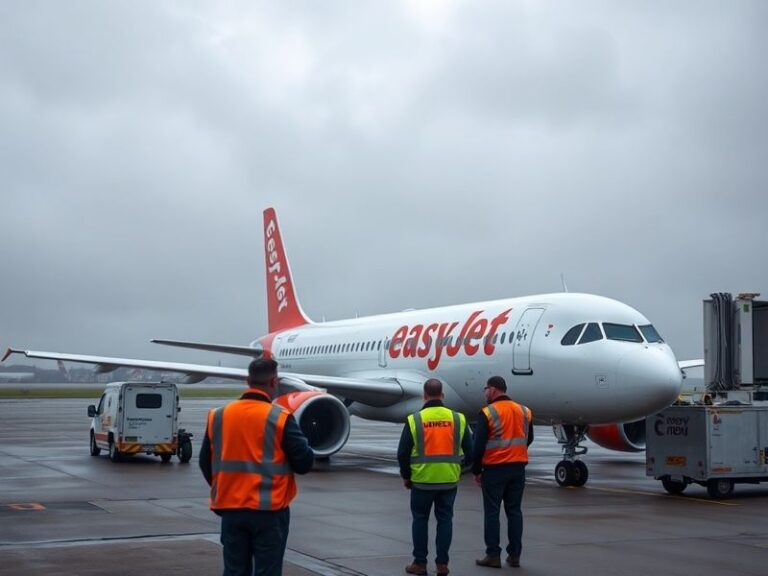
The A380’s retirement also marked the end of an era for aviation enthusiasts. The sight of a British Airways A380 taxiing at Heathrow, its wingspan dwarfing everything around it, was a spectacle that won’t be forgotten. The aircraft’s departure left a void, but it also paved the way for newer, more efficient aircraft that continue to shape the future of air travel.
Today, British Airways is focusing on its next-generation fleet, including the Airbus A350 and Boeing 787, which offer better fuel efficiency and lower emissions. While these aircraft may not have the same visual impact as the A380, they represent the future of sustainable aviation. The superjumbo’s legacy, however, lives on in the memories of passengers who experienced its unmatched scale and comfort.
What’s Next for British Airways’ Superjumbo Fans
For aviation enthusiasts, the A380’s retirement was bittersweet. Many had hoped to see the aircraft return to the skies, even if only for special flights or nostalgia. While that hasn’t happened, there are still ways to experience the A380’s magic. Some airlines, like Emirates and Qantas, continue to operate the aircraft on select routes, offering passengers a chance to fly on the superjumbo one last time.
For those who want to relive the A380 experience, British Airways occasionally offers special events or exhibitions featuring retired aircraft. The airline has also preserved one of its A380s, G-XLBL, as a static display at the Brooklands Museum in Surrey. Visitors can explore the upper deck, peer into the flight deck, and get a sense of what it was like to fly on this iconic aircraft.
If you’re looking to explore more about British Airways’ fleet or the evolution of long-haul travel, check out our Travel and Aviation category pages for in-depth analysis and updates. Whether you’re a frequent flyer or an aviation enthusiast, these resources offer a deeper look into the stories behind the planes that shape our skies.
The British Airways A380 may have flown its last commercial flight, but its impact on aviation and passenger expectations will not fade. It was a machine that dared to dream big, and in doing so, it left an indelible mark on the history of flight.