Why the BMW X5 Remains a Benchmark for Luxury SUVs After Two Decades
The BMW X5 arrived in 1999 as the brand’s first Sports Activity Vehicle, blending the ride comfort of a luxury sedan with the practicality of an SUV. Two decades later, it still sets the standard for its segment, balancing performance, technology, and everyday usability. Its success wasn’t guaranteed when it debuted—many skeptics doubted whether a manufacturer known for sporty sedans could pull off a luxury crossover. Yet the X5 not only survived; it thrived, reshaping consumer expectations for what an executive SUV could be.
Its evolution reflects broader shifts in the automotive industry, from the rise of turbocharging to the integration of digital interfaces. The X5 has adapted without losing its core identity: a driver-focused, family-hauling machine that never feels like a compromise. That consistency has earned it loyal buyers and critical acclaim, proving that substance, not just flash, drives long-term success.
The X5’s Design Language: A Marriage of Sport and Substance
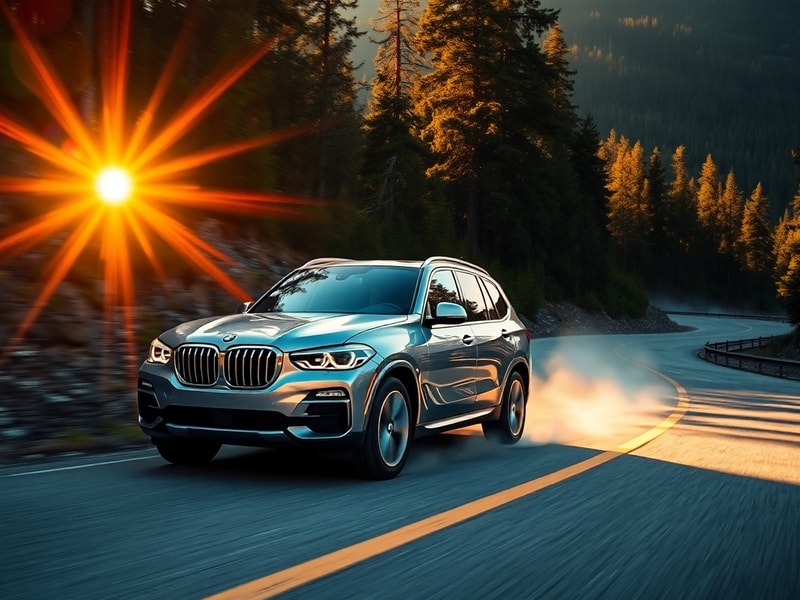
From the first-generation E53 to today’s G60, the X5’s design has walked a fine line—assertive enough to command attention, refined enough to blend into upscale neighborhoods. Early models featured boxy proportions that were fashionable in the late ’90s, but the X5’s true breakthrough was its muscular stance, short overhangs, and signature BMW kidney grilles. These elements gave it presence without sacrificing aerodynamics.
Fast-forward to the current generation, and the design has softened slightly, adopting sleeker LED lighting, sculpted body lines, and a more aerodynamic silhouette. The G60’s Hofmeister kink—the upward-sloping rear window—remains, a subtle nod to the brand’s heritage. Yet even in its most modern iteration, the X5 avoids the overtly futuristic styling that dates quickly. Instead, it favors timeless proportions that age like fine leather.
Inside, the cabin continues the theme. High-quality materials—real wood, aluminum, and soft-touch plastics—are standard, and the latest models offer optional leather upholstery and crystal accents. The iDrive interface, now in its eighth generation, integrates seamlessly with digital instruments, creating an environment that feels both premium and intuitive. It’s a space designed for daily comfort, not just showroom appeal.
Performance Evolution: From Naturally Aspirated to TwinPower Turbo
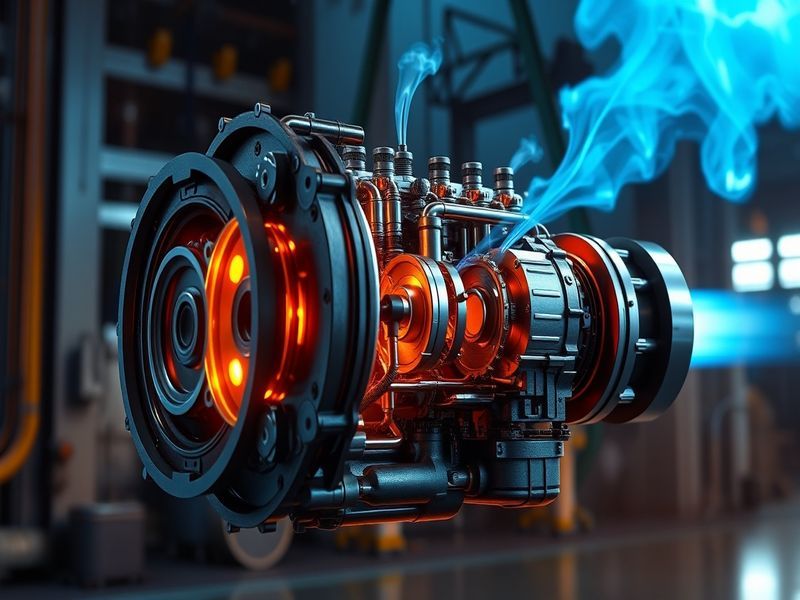
The X5’s performance credentials have evolved dramatically since its launch. The original 1999 model offered a 4.4-liter V8 with 286 horsepower—impressive for its time but thirsty by today’s standards. By the mid-2000s, BMW shifted to turbocharged engines, a move that allowed smaller displacement engines to deliver V8-like power with better efficiency. The 2007 X5 4.8i, for example, produced 350 horsepower from a 4.8-liter V8, a significant leap over its predecessor.
Today’s X5 lineup includes a plug-in hybrid variant, the xDrive45e, which pairs a turbocharged 3.0-liter inline-six with an electric motor for a combined 389 horsepower. It can travel up to 50 miles on electric power alone, making it a practical choice for short commutes. The top-tier M50i, meanwhile, packs a 4.4-liter twin-turbo V8 with 523 horsepower, delivering supercar-like acceleration in a family-friendly package.
BMW’s xDrive all-wheel-drive system has also matured. Initially a simple rear-biased setup, it now uses an electronically controlled transfer case and multiple drive modes to optimize traction and handling. Whether navigating snowy roads or launching onto a highway, the X5 adapts with confidence. This versatility explains why it remains a favorite among enthusiasts and families alike.
Technology and Practicality: The X5 as a Digital Workspace and Cargo Hauler
Luxury SUVs aren’t just about speed and style—they must also serve as mobile offices and storage units. The X5 excels here, offering class-leading cargo space (up to 72.3 cubic feet with seats folded) and a long list of tech features that rival those in high-end sedans. The latest models come with a 12.3-inch digital cockpit, a 12.3-inch infotainment display, and a 1,700-watt Harman Kardon sound system for audiophiles.
Advanced driver-assistance systems (ADAS) are another area where the X5 stands out. Standard features now include adaptive cruise control, lane-keeping assist, and blind-spot monitoring. Optional extras like Traffic Jam Assist and Highway Assistant take the X5 closer to full autonomy, though regulatory hurdles remain. These systems aren’t just about safety—they also reduce driver fatigue on long trips, a key selling point for families.
The X5’s technology isn’t limited to hardware. BMW’s ConnectedDrive services allow owners to remotely check vehicle status, plan routes, and even pre-condition the cabin via a smartphone app. Over-the-air updates ensure the infotainment system stays current, a feature once reserved for smartphones. This digital integration reflects a broader trend in the automotive industry: cars are no longer just machines; they’re part of a connected ecosystem.
Market Impact: How the X5 Redefined the Luxury SUV Segment
Before the X5, luxury SUVs were either rugged off-roaders (like the Mercedes G-Class) or bloated land yachts (such as the Lincoln Navigator). The X5 carved out a new category: the sporty, driver-focused crossover that could handle both the school run and a weekend track day. Its success inspired rivals like the Porsche Cayenne and Audi Q7 to adopt similar philosophies, leading to a proliferation of performance-oriented luxury SUVs.
The X5’s influence extends beyond its direct competitors. It proved that SUVs could appeal to enthusiasts, not just utility-seekers. This shift forced automakers to rethink their strategies, leading to the rise of halo models like the Lamborghini Urus and the Aston Martin DBX. Even mainstream brands like Jeep and Ford now offer performance-tuned SUVs, a trend that traces its roots back to the X5’s original formula.
Yet the X5’s legacy isn’t just about sales numbers. It redefined the expectations for ride quality, interior refinement, and driving dynamics in the SUV segment. Rivals now benchmark themselves against the X5, not just in terms of features but in how they balance comfort and performance. This pressure has elevated the entire class, making luxury SUVs better vehicles overall.
What’s Next for the X5? Electrification and Beyond
The next chapter of the X5’s story will likely be dominated by electrification. BMW has already announced that future X5 models will offer a fully electric variant, codenamed iX5, as part of its push toward sustainability. This shift aligns with stricter emissions regulations in Europe and China, two of the X5’s largest markets. The iX5 is expected to deliver up to 373 miles of range, making it a viable option for long-distance travel.
But electrification isn’t the only challenge ahead. Autonomous driving technology looms large, and the X5 will need to integrate these features without alienating enthusiasts. BMW’s recent focus on “joyful driving” suggests it won’t abandon its performance roots, but the balance between automation and engagement will be delicate. The X5’s success hinges on its ability to evolve without losing what made it great in the first place.
For now, the X5 remains a benchmark. Its blend of performance, luxury, and practicality is hard to match, and its adaptability ensures it will stay relevant for years to come. Whether you’re drawn to its thrilling acceleration, cutting-edge tech, or spacious interior, the X5 delivers where it counts. It’s a rare vehicle that satisfies drivers and passengers alike—a testament to BMW’s ability to blend innovation with tradition.
As the automotive landscape continues to shift, the X5’s story serves as a reminder that greatness isn’t about chasing trends; it’s about setting them. And for two decades, the X5 has done just that.
Key Takeaways: Why the BMW X5 Stands Out
- Timeless Design: The X5’s proportions and styling cues have evolved without losing their core identity, making it a vehicle that ages gracefully.
- Performance Versatility: From turbocharged engines to plug-in hybrids, the X5 offers a powertrain for every driver, balancing power and efficiency.
- Tech Integration: Advanced ADAS features and digital cockpit options make the X5 as smart as it is fast.
- Market Influence: The X5 didn’t just succeed—it redefined the luxury SUV segment, inspiring rivals to raise their game.
- Future-Proofing: With electrification and autonomy on the horizon, the X5 is poised to adapt without compromising its DNA.
For those considering an executive SUV, the X5 isn’t just an option—it’s the benchmark against which all others are measured. Explore more automotive reviews and insights on Dave’s Locker to see how it stacks up against the competition.