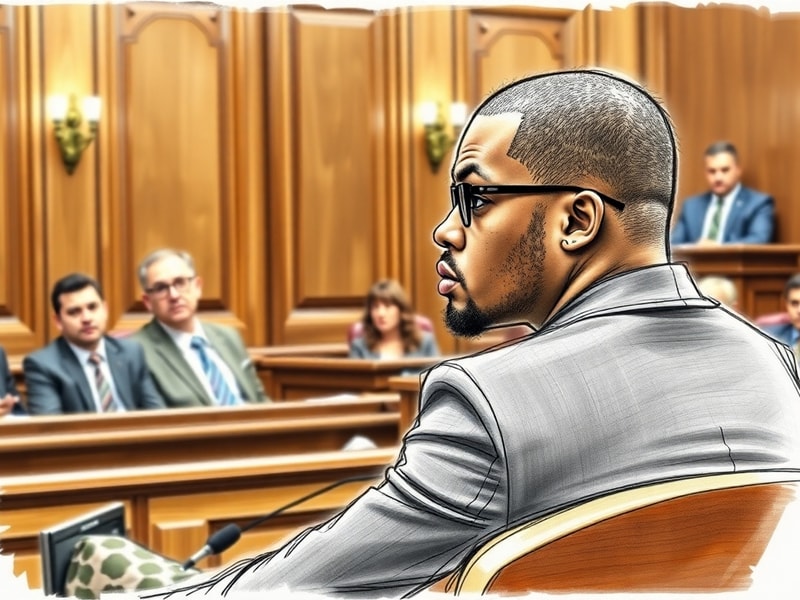
After months of legal back-and-forth, a Los Angeles judge delivered the final verdict in the case involving Chris Brown’s former housekeeper, Tiffany Daniels. The ruling, handed down last week, concluded that Daniels had indeed violated a restraining order by entering Brown’s residence in 2022. The incident sparked headlines not just for its celebrity connection, but for the legal nuances that unfolded in the courtroom. Prosecutors argued that Daniels entered the property despite a clear court order prohibiting contact, while her defense maintained she had only gone to retrieve personal belongings left behind during her employment.
How the Case Unfolded: Timeline of Events
The saga began in late 2021 when Daniels filed a wrongful termination lawsuit against Brown, claiming she had been fired without cause after working for him for several years. Brown counter-sued, alleging Daniels had stolen items from his home. The restraining order was issued in March 2022, barring Daniels from coming within 100 yards of Brown’s residence. However, in August 2022, police were called to the home after Daniels allegedly entered the property. Surveillance footage appeared to show her inside the residence for a short period before leaving.
During the trial, Daniels’ legal team argued that she had been invited by a former coworker to collect her belongings from the garage. They pointed to text messages and witness testimony suggesting she never intended to confront Brown. Prosecutors, however, emphasized the strict nature of restraining orders and the potential for escalation in celebrity cases where emotions often run high. The jury ultimately sided with the prosecution, finding Daniels guilty of violating the restraining order.
Legal Precedents and Celebrity Restraining Orders
This case shines a light on how restraining orders function in high-profile disputes. Unlike typical domestic violence cases, celebrity restraining orders often involve complex interpersonal dynamics and public scrutiny. Experts note that restraining orders in such cases are frequently used not just to prevent harm, but to establish boundaries in disputes involving former employees or romantic partners.
Legal analysts point out that restraining orders are typically granted based on a “reasonable belief” of future harm, rather than proof of past harm. In Daniels’ case, the judge ruled that her entry into the residence, regardless of intent, violated the spirit of the order. This raises questions about how restraining orders are enforced when the parties involved have unequal access to resources—Brown’s legal team, for instance, could afford extensive surveillance and legal representation, while Daniels relied on public defenders.
Another layer to this case is the precedent it sets for other celebrity staff members. Several former employees of high-profile figures have spoken out about similar grievances in recent years, including unpaid wages and wrongful termination. Daniels’ case may embolden others to pursue legal action, knowing that the legal system can intervene even in disputes involving wealthy and powerful individuals.
Public Reaction and Media Frenzy
As with many celebrity legal battles, public opinion has been sharply divided. Social media erupted with debates over whether Daniels was justified in retrieving her belongings or if she knowingly violated the order. Some fans questioned why Brown, with his resources, didn’t simply allow her to collect her items without involving the courts. Others argued that restraining orders exist for a reason and should be strictly enforced, regardless of the circumstances.
The media coverage has also highlighted the double standards often applied to celebrity cases. While domestic violence restraining orders typically involve allegations of physical harm, this case centered on a property dispute. Yet the court treated it with the same seriousness, underscoring how restraining orders can be used as tools to control access and behavior in contentious relationships.
The verdict has reignited discussions about the treatment of domestic staff in celebrity households. Many point out that housekeepers, drivers, and other employees often face precarious working conditions, with little recourse when disputes arise. Daniels’ case may prompt more conversations about labor rights in the entertainment industry, where verbal agreements and informal arrangements are common.
What’s Next for Daniels and Brown
With the verdict in, Daniels now faces potential penalties including fines and community service, though her defense team has indicated plans to appeal. For Brown, this case adds another legal entanglement to his already complex history with restraining orders and civil disputes. His legal team has remained tight-lipped about next steps, but analysts suggest he may pursue further action to enforce the restraining order or address the wrongful termination claim.
Regardless of the outcome, this case serves as a reminder of the legal vulnerabilities even wealthy individuals face when disputes escalate. It also underscores the importance of clear communication and documentation in employment relationships, especially in high-stakes environments like celebrity households.
For those following celebrity legal dramas, this case is worth watching as it continues to unfold. Whether you’re interested in the legal intricacies or the broader implications for labor rights in Hollywood, Daniels’ story offers plenty to consider.
And for more analysis on celebrity justice and legal trends, be sure to check out our Analysis section, where we break down the stories shaping pop culture and the law.