Why Proper Solar Eclipse Glasses Are Essential for Safe Viewing
Solar eclipses are among the most breathtaking celestial events, but they also pose serious risks if viewed improperly. Unlike everyday sunlight, the sun’s rays during an eclipse can cause permanent eye damage in seconds. The only safe way to observe a solar eclipse is with ISO-certified solar eclipse glasses, which filter out harmful ultraviolet and infrared radiation. These specialized glasses are designed to reduce the sun’s brightness to a comfortable level while blocking 99.99% of intense light.
Not all eclipse glasses are created equal. Cheap imitations flood the market before major eclipses, often failing to meet safety standards. The American Astronomical Society (AAS) warns that uncertified glasses can leave viewers with solar retinopathy—a condition that blurs or distorts vision. To avoid counterfeit products, buyers should look for glasses labeled with ISO 12312-2 certification, which ensures they meet international safety requirements.
Even with certified glasses, proper use is critical. The lenses should be free of scratches, punctures, or wrinkles. Children must be supervised to ensure they keep the glasses on throughout the event. During totality—when the moon completely covers the sun—viewers can briefly remove their glasses, but only for the few minutes of total eclipse. At all other times, the glasses must stay on to prevent eye injury.
The Science Behind Solar Eclipse Glasses
Solar eclipse glasses work by using a specialized filter material, typically a black polymer or aluminized polyester film. These materials are engineered to block nearly all visible light while allowing just enough through to reveal the sun’s corona or the moon’s silhouette during an eclipse. The filter’s density is measured in optical density (OD), with OD 5 or higher required for safe solar viewing.
One common misconception is that sunglasses or even welder’s goggles can substitute for eclipse glasses. Standard sunglasses, regardless of tint, only reduce visible light—not the full spectrum of harmful radiation. Welder’s goggles with a shade rating of 12 or higher can work in a pinch, but they lack the precision of dedicated solar viewers. Eclipse glasses, by contrast, are tested rigorously to ensure they block the right wavelengths of light.
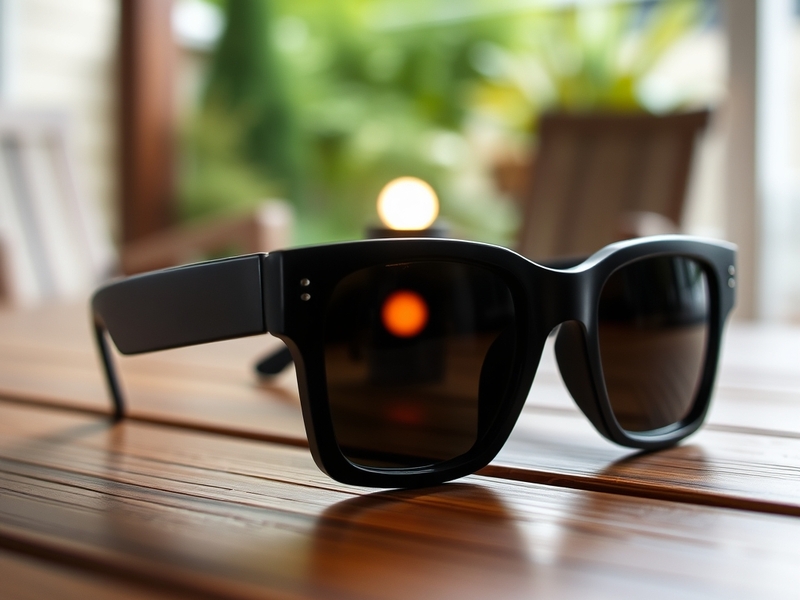
Another layer of protection comes from the frame design. High-quality eclipse glasses have sturdy cardboard or plastic frames that prevent light leakage. Some models even include extra features like scratch-resistant coatings or extended side shields to block peripheral light. While aesthetics matter little in safety gear, comfort can influence compliance—especially for kids or people with sensory sensitivities.
How to Spot Fake Solar Eclipse Glasses
Counterfeit eclipse glasses have become a recurring problem during major solar events. Scammers often exploit the surge in demand by selling knockoffs online or at pop-up vendors. The AAS maintains a list of reputable vendors, but consumers should still verify claims independently. Here’s how to identify safe glasses:
- Check for ISO certification. The glasses should be labeled with ISO 12312-2 and include the manufacturer’s name and address.
- Inspect the lenses. Hold the glasses up to a bright light. If you can see anything through them other than the sun (or a bright LED flashlight), they’re not dark enough.
- Look for reputable sellers. Avoid third-party marketplaces like Amazon or eBay unless the seller is an authorized distributor. Stick to brands like Rainbow Symphony, American Paper Optics, or Thousand Oaks Optical.
- Test before the eclipse. If possible, test the glasses a few days before the event by looking at a bright, unobstructed light source. If the light appears dim or orange-tinted, the glasses are likely legitimate.
Another red flag is pricing. Genuine eclipse glasses cost between $2 and $5 per pair. If a vendor offers them for $1 or less, they’re almost certainly fake. During the 2017 total solar eclipse, Amazon had to issue refunds to thousands of customers who purchased counterfeit glasses. The lesson? Buying early and from trusted sources is the best way to avoid disappointment—or worse, eye damage.
When and Where to Buy Solar Eclipse Glasses
The best time to buy solar eclipse glasses is months before an eclipse, not days before. Major retailers like Lowe’s, Walmart, and Best Buy often stock them during eclipse seasons. Libraries and science museums sometimes distribute free glasses as part of educational programs. Online, dedicated astronomy retailers like Dave’s Locker Science section offer a curated selection with verified certifications.
For the upcoming 2024 total solar eclipse—visible across North America—demand is expected to outstrip supply. The path of totality stretches from Mexico to Canada, passing through 15 U.S. states. Cities like Dallas, Indianapolis, and Buffalo will experience up to four minutes of darkness. Retailers are already advertising bulk discounts for schools and organizations, but individuals should act quickly to secure their pair.
Local astronomy clubs and planetariums are another excellent resource. Many host viewing parties and provide glasses on-site. This approach not only ensures safety but also turns the event into a communal experience. Sharing eclipse glasses with a group fosters a sense of camaraderie while minimizing waste.
After the eclipse, most glasses can be reused for future events—provided they remain undamaged. However, it’s wise to store them in a protective case or envelope to prevent scratches. If the lenses become scratched, cloudy, or warped over time, they should be discarded. Reusing glasses from past eclipses is fine, but new ones are often more comfortable and may feature updated designs.
Beyond Glasses: Alternative Safe Viewing Methods
While eclipse glasses are the most straightforward option, they aren’t the only way to view a solar eclipse safely. Pinhole projectors offer a simple, low-cost alternative, especially for educational settings. These devices project an image of the sun onto a surface, allowing multiple people to observe simultaneously. A basic pinhole projector can be made with cardboard, aluminum foil, and tape—perfect for classroom activities.
Another option is a solar viewer telescope or binoculars equipped with proper solar filters. These devices magnify the eclipse, revealing details like sunspots or the moon’s rugged edge. However, they require more expertise to use safely and should only be operated by experienced observers or under professional supervision. Improper use can lead to concentrated sunlight burning through filters or damaging equipment.
For those who prefer a high-tech approach, smartphone solar filters are gaining popularity. These small, adhesive filters attach to a phone’s camera lens, allowing users to capture photos or videos of the eclipse without risking eye damage. Brands like Solar Snap produce kits that include filters and mounting brackets for steady shots. While not a substitute for eclipse glasses, these tools complement the experience for photography enthusiasts.
No matter the method, the key is prioritizing safety over convenience. A moment of carelessness can lead to lifelong consequences. By choosing the right equipment and following guidelines, viewers can enjoy the wonder of a solar eclipse without putting their vision at risk.
Final Thoughts: Preparing for the Next Eclipse
Solar eclipses are rare and unpredictable events, with total eclipses visible from any given location only once every 375 years on average. The next major eclipse after 2024 will occur in 2026, visible in the Arctic, Greenland, and Iceland, followed by a 2027 eclipse spanning North Africa and the Middle East. For most people, the next easily accessible total solar eclipse won’t happen until 2044 or 2045. This makes preparation essential.
Investing in certified solar eclipse glasses is a small price to pay for a lifetime of memories. Whether you’re an amateur astronomer, a parent planning a family activity, or a teacher organizing a school event, securing the right gear should be a top priority. Start by checking trusted sources like Dave’s Locker Science for recommendations and verified products. Avoid last-minute panic buying, which often leads to overpriced or unsafe options.
The magic of a solar eclipse lies in its rarity and precision. The alignment of the sun, moon, and Earth is so exact that even a slight miscalculation can ruin the experience. By arming yourself with knowledge and the right equipment, you ensure that the only thing you’ll need to worry about is where to stand to get the best view. After all, the goal isn’t just to see an eclipse—it’s to witness one of nature’s most awe-inspiring spectacles without consequence.