How Central Indiana’s Recent Floods Rewrote the Playbook on Disaster Response
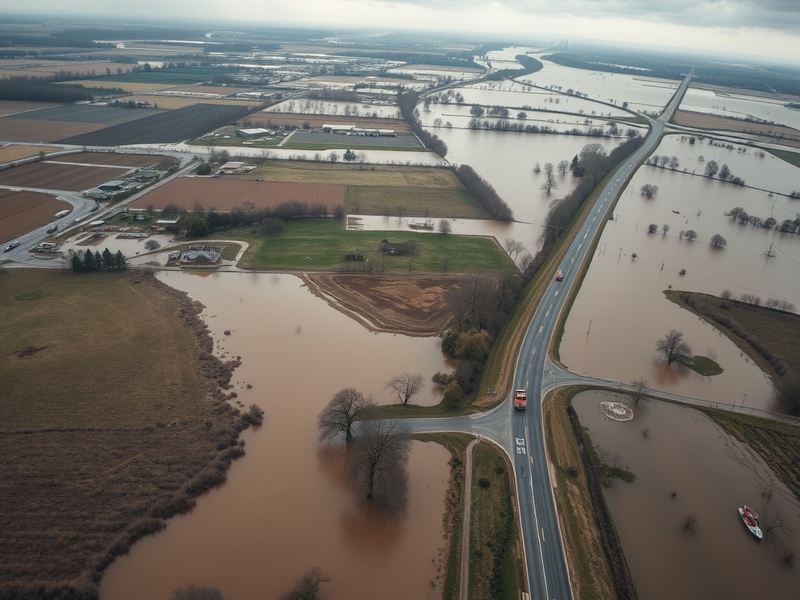
When the skies over Central Indiana opened up in late June, the region faced more than just heavy rain—it confronted a flood event that tested infrastructure, strained emergency resources, and forced communities to adapt in real time. Unlike typical seasonal storms, this deluge arrived with an intensity that overwhelmed drainage systems, submerged roads, and left thousands displaced. The flooding wasn’t confined to rural areas; urban centers like Indianapolis, Carmel, and Fishers saw neighborhoods cut off by rising waters. What unfolded wasn’t just a weather crisis—it was a stress test for how prepared—or unprepared—the heart of the Hoosier State truly was.
What Made This Flood Event Different
Central Indiana is no stranger to flooding. The White River basin, a sprawling network of creeks and tributaries, has historically been prone to overflows, especially during spring thaws or prolonged rainfall. But the June event stood out for several reasons. Meteorologists recorded rainfall totals that shattered decades-old records in some counties, with Indianapolis receiving over seven inches in a 24-hour span. The ground, already saturated from earlier storms, couldn’t absorb the deluge. Compounding the issue was the timing—this wasn’t a slow-rise flood that gave days of warning. It was rapid, almost flash-flood-like in its ferocity, catching many off guard.
The impact rippled across the region. Major highways, including stretches of I-465 and US-31, became impassable. Emergency dispatchers fielded thousands of calls in a single night. Schools closed. Businesses boarded up. And in some cases, first responders had to resort to boats to reach stranded residents. The flooding exposed vulnerabilities in the region’s aging stormwater systems, many of which were designed decades ago for less extreme weather patterns. Climate projections suggest such events will only grow more frequent, raising questions about whether Central Indiana’s infrastructure is aging out of its usefulness.
A Closer Look at the Human and Economic Toll
The numbers tell a sobering story. According to the Indiana Department of Homeland Security, over 1,200 homes were damaged across Marion, Hamilton, and Johnson counties alone. The estimated cost of repairs runs into the tens of millions, with insurance claims still being processed. Small businesses, already operating on thin margins post-pandemic, faced weeks of lost revenue. Local farmers watched as fields turned to lakes, threatening the summer harvest. And while government aid and disaster declarations are expected, the process of recovery is uneven—some communities have robust emergency plans, while others are still scrambling to map out response strategies.
One of the most striking aspects of this disaster was the role of social media. Residents turned to platforms like Facebook and Nextdoor to request help, share evacuation routes, and warn neighbors about rising waters. Crowdsourced maps emerged overnight, pinpointing flooded streets and open shelters. This digital mobilization was both a lifeline and a reminder of how technology can bridge gaps when traditional systems falter. Yet it also highlighted a digital divide—those without reliable internet access were left at a disadvantage when it came to accessing critical updates.
Lessons for the Future: What Central Indiana Can—and Should—Do Next
The floods of 2024 weren’t just a tragedy; they were a wake-up call. As Central Indiana looks to rebuild and prepare, several key steps could prevent—or at least mitigate—the next crisis.
- Modernizing Infrastructure: Many of the region’s stormwater systems were built for a climate that no longer exists. Upgrading pipes, culverts, and retention basins to handle heavier rainfall is no longer optional—it’s essential. Cities like Indianapolis have already begun pilot programs to expand green infrastructure, such as permeable pavement and rain gardens, which absorb runoff instead of funneling it into overwhelmed sewers.
- Better Data and Forecasting: The National Weather Service’s flood warnings were accurate, but the speed of the event left little margin for error. Investing in hyperlocal weather monitoring—like small-scale radar systems—could give emergency managers more time to issue evacuations or deploy resources. Partnerships with universities and tech companies could also help refine predictive models.
- Community Preparedness: Not everyone has the means to evacuate quickly or the knowledge to safeguard their homes. Local governments and nonprofits are ramping up education efforts, from hosting flood safety workshops to distributing sandbags. But these initiatives need consistent funding and outreach to reach all demographics, including renters and low-income households who are often hardest hit by disasters.
- Policy Changes at the State Level: Indiana’s approach to floodplain management has historically been reactive rather than proactive. Updating building codes to restrict development in high-risk zones and requiring flood insurance for properties in vulnerable areas could reduce future losses. Lawmakers are currently debating a bill that would allocate more resources to flood mitigation projects statewide—a step in the right direction, but one that will require sustained political will.
The floods also underscored the need for regional cooperation. Flooding doesn’t respect municipal boundaries, and neither should recovery efforts. Counties and cities that share watersheds must coordinate planning, share resources, and standardize response protocols. The Central Indiana Regional Development Authority has taken a lead in this area, but broader buy-in is necessary to make a real difference.
Looking Ahead: A Region Reshaped by Water
Central Indiana’s relationship with water is evolving. The floods of June 2024 weren’t an anomaly; they were a preview of what’s to come as climate change intensifies precipitation patterns. The question now is whether the region will treat this as a one-time crisis or a turning point. Other parts of the country have faced similar reckonings—New Orleans after Hurricane Katrina, Houston after Harvey—and the common thread is that recovery isn’t just about rebuilding what was lost, but reimagining what could be.
For now, the focus remains on immediate relief. Shelters are operating at capacity. Volunteers are filling sandbags. And in the quiet moments between storms, discussions are already underway about how to prevent history from repeating itself. Central Indiana has always prided itself on resilience. This latest challenge will determine whether that resilience extends beyond bouncing back to building a future that’s truly flood-ready.
For more on how climate trends are reshaping the Midwest, visit our News section. To explore how technology is aiding disaster response, check out our Technology category.