Nestled in the rolling hills of Cambridgeshire, Graveley Fruit Farm has quietly cultivated a reputation as one of England’s most distinctive agricultural destinations. Since its founding in 1984, the farm has transformed from a modest orchard into a multi-faceted agri-tourism hub, blending traditional farming with modern innovation. While it may not carry the global name recognition of larger fruit producers, its commitment to sustainability, community engagement, and seasonal experiences has carved out a unique niche in the UK’s rural landscape.
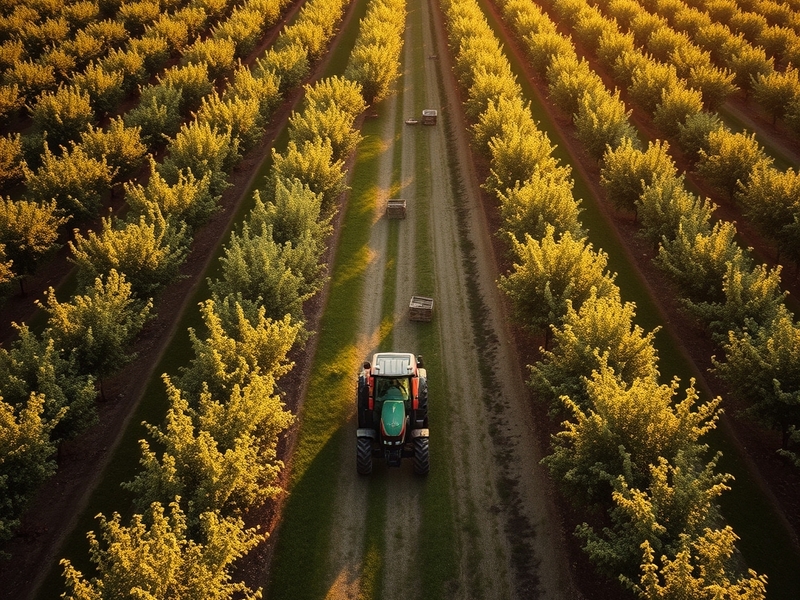
What began as a family-run operation with just a few acres of apple trees now spans over 200 hectares, producing a diverse range of soft fruits, stone fruits, and berries. The farm’s seasonal calendar is carefully timed to coincide with nature’s rhythms, offering visitors a rotating menu of experiences. From the blush of spring blossoms to the golden hues of autumn harvests, Graveley Fruit Farm has become a calendar of rural delights, attracting families, foodies, and photographers alike.
From Orchard to Destination
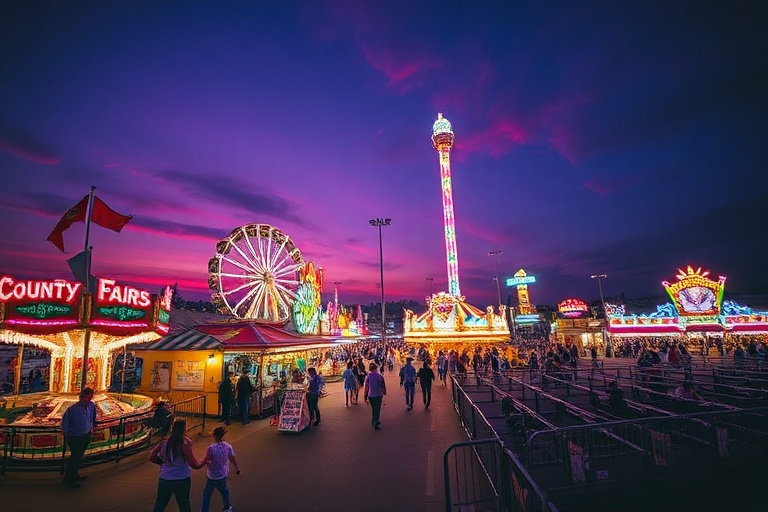
The farm’s transition into a public attraction was gradual but deliberate. In the late 1990s, as consumer interest in locally sourced food grew, Graveley began opening its gates for seasonal events. The launch of its annual Strawberry Festival in 2001 marked a turning point, drawing over 5,000 visitors in its first year. Today, that number has swelled to nearly 30,000 during peak events, reflecting a broader global trend: the rise of the “experience farm.”
Across Europe and North America, similar ventures have flourished by inviting city dwellers to reconnect with agriculture. In the Netherlands, Travel enthusiasts flock to De Fruittuin van West in Amsterdam, where urban farming meets culinary education. Meanwhile, in California’s Napa Valley, Castello di Amorosa blends wine production with immersive tours, proving that agriculture can be both productive and entertaining. Graveley Fruit Farm, though smaller in scale, shares this ethos—offering more than just produce; it delivers a story.
A Global Palette, a Local Heart
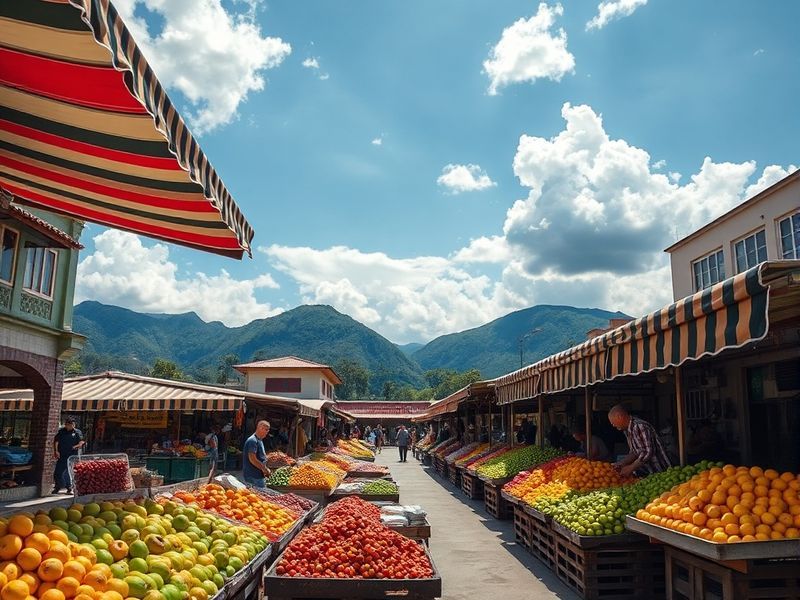
The farm’s success lies partly in its adaptability. While British consumers traditionally favor apples and pears, Graveley has expanded its offerings to include tropical and exotic fruits, many grown in polytunnels to extend the growing season. Visitors can sample white peaches from Spain, blueberries from Poland, and even passion fruit cultivated under glass. This diversity mirrors global agricultural trends, where climate change and international trade have reshaped what’s available on local tables.
Yet, despite its global influences, the farm remains deeply rooted in its local identity. Over 60% of its staff are drawn from surrounding villages, and its produce is sold primarily through regional markets and farm shops. This balance between global flavors and local roots is not unique to Cambridgeshire. In Japan, for example, Nagano’s apple orchards have integrated global varieties like Fuji and Gala while maintaining centuries-old grafting techniques. Similarly, in South Africa, farms in the Western Cape cultivate both traditional table grapes and new-world hybrids to cater to export markets and domestic tastes.
The farm’s approach also reflects a growing consumer demand for transparency. In an era where supermarket shelves are dominated by imported, out-of-season produce, Graveley offers a counterpoint: a place where visitors can trace their fruit from soil to shelf. This philosophy aligns with movements like Farm-to-Table, which has gained traction from Brooklyn to Berlin. According to a 2023 report by the Food Ethics Council, 72% of UK consumers prefer buying from farms they can visit, underscoring the value of direct connection in an increasingly impersonal food system.
The Business of Seasons
Running a seasonal farm is not without challenges. Weather volatility, labor shortages, and fluctuating demand require constant adaptation. Graveley’s management team has addressed these issues through diversification. Beyond fruit picking, the farm now hosts wedding receptions, corporate away days, and educational workshops on sustainable farming. These ventures provide year-round revenue streams, a strategy echoed by farms worldwide.
In Italy’s Piedmont region, for instance, agriturismi (farm stays) have become a cornerstone of rural tourism, offering cooking classes, truffle hunts, and wine tastings. Similarly, in Vermont, USA, Dakin Farm combines a retail store with a butchery, bakery, and café, ensuring steady foot traffic regardless of the season. Graveley’s model is less intensive but equally strategic. Its Christmas tree farm, launched in 2015, now accounts for 15% of annual revenue, proving that even in a digital age, the tactile appeal of fresh-cut greenery remains strong.
Technology also plays a role in the farm’s operations. Automated irrigation systems reduce water waste, while data analytics help predict harvest yields. These innovations are part of a larger agricultural shift toward precision farming, a trend highlighted in the 2024 World Agricultural Report. Graveley’s adoption of these tools reflects a global movement where tradition meets modernity, ensuring the farm remains viable for future generations.
Cultural Significance and Community Ties
Beyond economics, Graveley Fruit Farm holds cultural weight in its community. Its annual Apple Day celebrations draw visitors from neighboring towns, fostering a sense of shared heritage. Such events are reminiscent of harvest festivals found across cultures, from Germany’s Erntedankfest to India’s Pongal. These traditions underscore agriculture’s role not just as an industry, but as a cultural cornerstone.
The farm’s educational programs further cement its place in the community. Local schools often visit for tours, teaching children about pollination, soil health, and food origins. In an age where many kids associate food with supermarket packaging, these experiences are invaluable. Similar initiatives exist worldwide. In Australia, Stepping Stone Farm offers “farm school” programs, while in Kenya, Sustainable Village Network teaches permaculture to rural youth. Graveley’s efforts, though small, contribute to a global conversation about food literacy.
Social media has also amplified the farm’s reach. Instagram reels of sun-drenched strawberry fields and TikTok videos of “fruit-picking fails” have introduced Graveley to audiences beyond Cambridgeshire. This digital presence mirrors global patterns, where farms leverage social platforms to attract tourists. In South Korea, Boseong Green Tea Fields gained viral fame through K-pop influencers, leading to a 40% increase in visitors. For Graveley, such visibility is a double-edged sword: it boosts attendance but also raises expectations for Instagram-worthy experiences.
The Road Ahead
As Graveley Fruit Farm looks to the future, sustainability remains its guiding principle. Plans for a renewable energy microgrid aim to power the farm entirely with solar and wind energy. The initiative aligns with the UK’s 2050 net-zero goals and reflects a broader agricultural shift toward eco-consciousness. Globally, farms are under pressure to reduce emissions, with the European Union’s Farm to Fork Strategy setting ambitious targets for carbon-neutral agriculture by 2030.
Yet, challenges persist. Brexit’s impact on labor supply and rising energy costs threaten profitability. The farm’s response has been twofold: investing in automation and strengthening local partnerships. By collaborating with nearby dairies and bakeries, Graveley ensures that surplus fruit doesn’t go to waste. This circular economy approach is gaining traction worldwide, from Denmark’s food waste supermarkets to Japan’s “mottainai” (waste-not) culture.
Ultimately, Graveley Fruit Farm’s story is one of resilience and reinvention. It mirrors the struggles and triumphs of small-scale farmers everywhere, from the vineyards of Tuscany to the tea plantations of Sri Lanka. In an era where industrial agriculture dominates, places like Graveley remind us of the value of hands-on, community-driven food production. Whether you’re a family picking strawberries on a summer’s day or a chef sourcing seasonal berries for a Michelin-starred dessert, the farm offers a taste of something rare: authenticity.
How to Visit
Graveley Fruit Farm is open year-round, with seasonal highlights varying by month. Below is a quick guide to planning your visit:
- Spring (March–May): Witness orchards in full blossom during the Blossom Trail. Ideal for photography and light walking.
- Summer (June–August): Peak fruit-picking season. Strawberries, raspberries, and blackberries are abundant. Book in advance for weekend slots.
- Autumn (September–November): Apple and pumpkin harvests take center stage. The Pumpkin Festival (late October) is a family favorite.
- Winter (December–February): Christmas trees, festive wreath workshops, and cozy farm café offerings. Less crowded but equally charming.
Admission is £8 for adults, £4 for children, and includes a complimentary fruit punnet. Memberships are available for frequent visitors, offering discounts on produce and events. For more details, visit the farm’s Food section on Dave’s Locker.
Whether you’re seeking a day of rustic charm or a deeper understanding of where your food comes from, Graveley Fruit Farm delivers an experience that’s as nourishing for the soul as it is for the palate. In a world of mass production, it stands as a testament to the enduring appeal of the small, the local, and the genuine.